
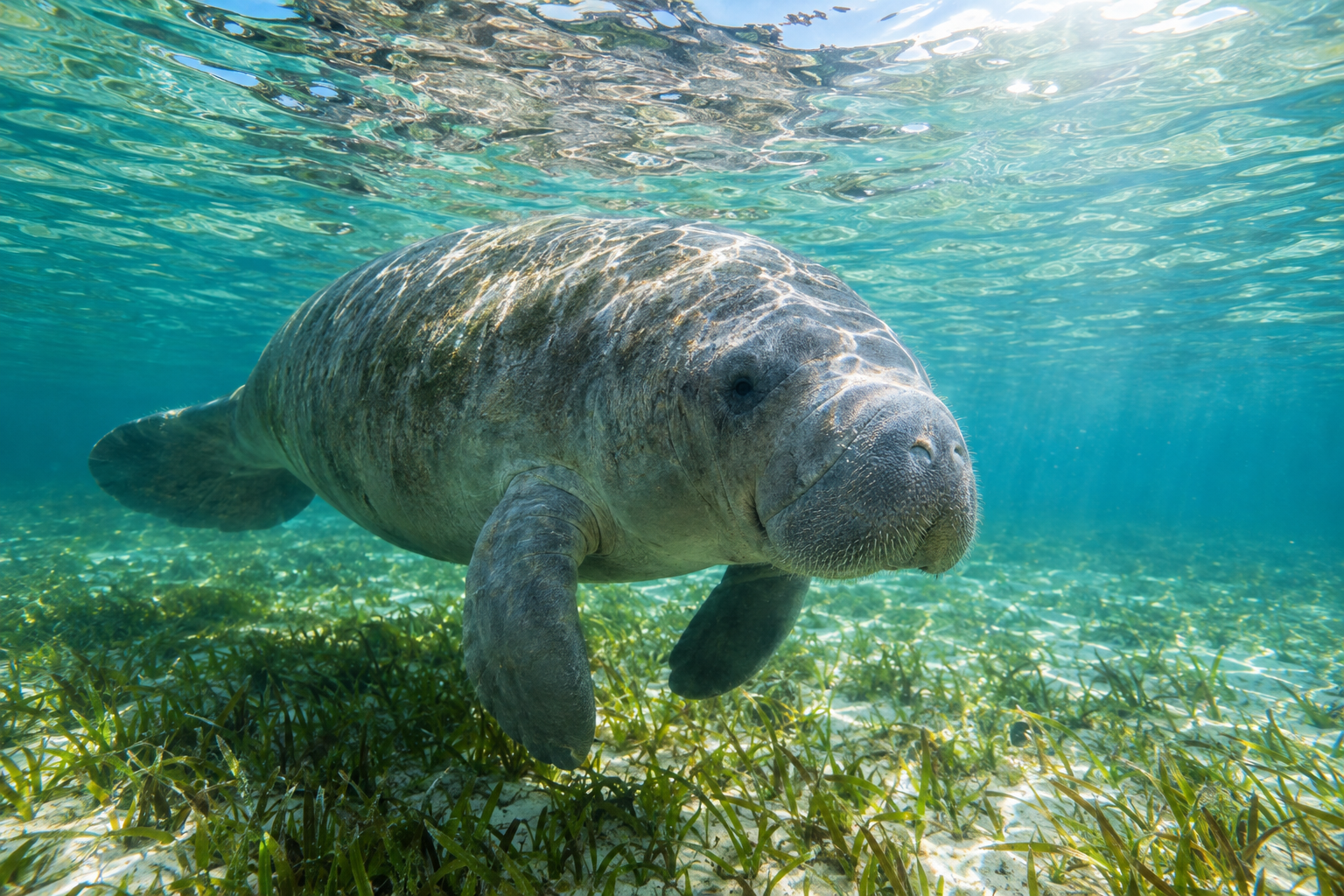
Sea cows and manatees are the same animal here: the Florida manatee, a slow, grazing marine mammal that moves into our canals, marinas and warm-water outflows every winter. The surest free viewing is Manatee Lagoon in West Palm Beach between mid-November and March, with Deering Estate and Secret Woods close behind. Below we cover where to go in Miami-Dade, Broward and Palm Beach, the rules that keep us out of trouble, and the strange 50-million-year story behind the nickname.
Plan your visit
- Check the marine forecast; a cold front is the trigger.
- Pick a sheltered basin or warm outflow, not an open beach.
- Arrive early, before boat traffic stirs the water.
- Stand on the dock or seawall and watch for round nostrils surfacing.
- Keep hands, food and hoses out of the water.
- Note scars or tags and report any animal that looks hurt.
What you need
- Polarized sunglasses to cut glare on the surface
- Binoculars for marina basins and river bends
- A light jacket; the best days are the coldest ones
- The FWC Wildlife Alert number saved in your phone: 888-404-3922
- Cash or card for state park gates and county weekend fees
Good to know
Touching, feeding or watering a manatee is harassment under the Florida Manatee Sanctuary Act and federal law. State charges start as a misdemeanor and federal fines can run into the tens of thousands of dollars. Watching from a dock is always fine.
Sea cow or manatee: what we are actually looking at
Every manatee in Florida is a sea cow, but not every sea cow is a manatee. The nickname covers the whole order Sirenia, which today has four living species: three manatees and the dugong. One more, Steller’s sea cow, was hunted to extinction in the 1700s.
Our local animal is the Florida manatee, a subspecies of the West Indian manatee. Adults run about 10 feet long and around 1,000 pounds. Big females can pass 3,000 pounds and reach 13 feet.
The “cow” part comes from how they live. They graze on seagrass for hours, move slowly, and have a calm, blunt face. Columbus wrote about them in 1493 and called them mermaids, which is how the order got the name Sirenia. We think he had been at sea a long time.
When manatees show up in South Florida
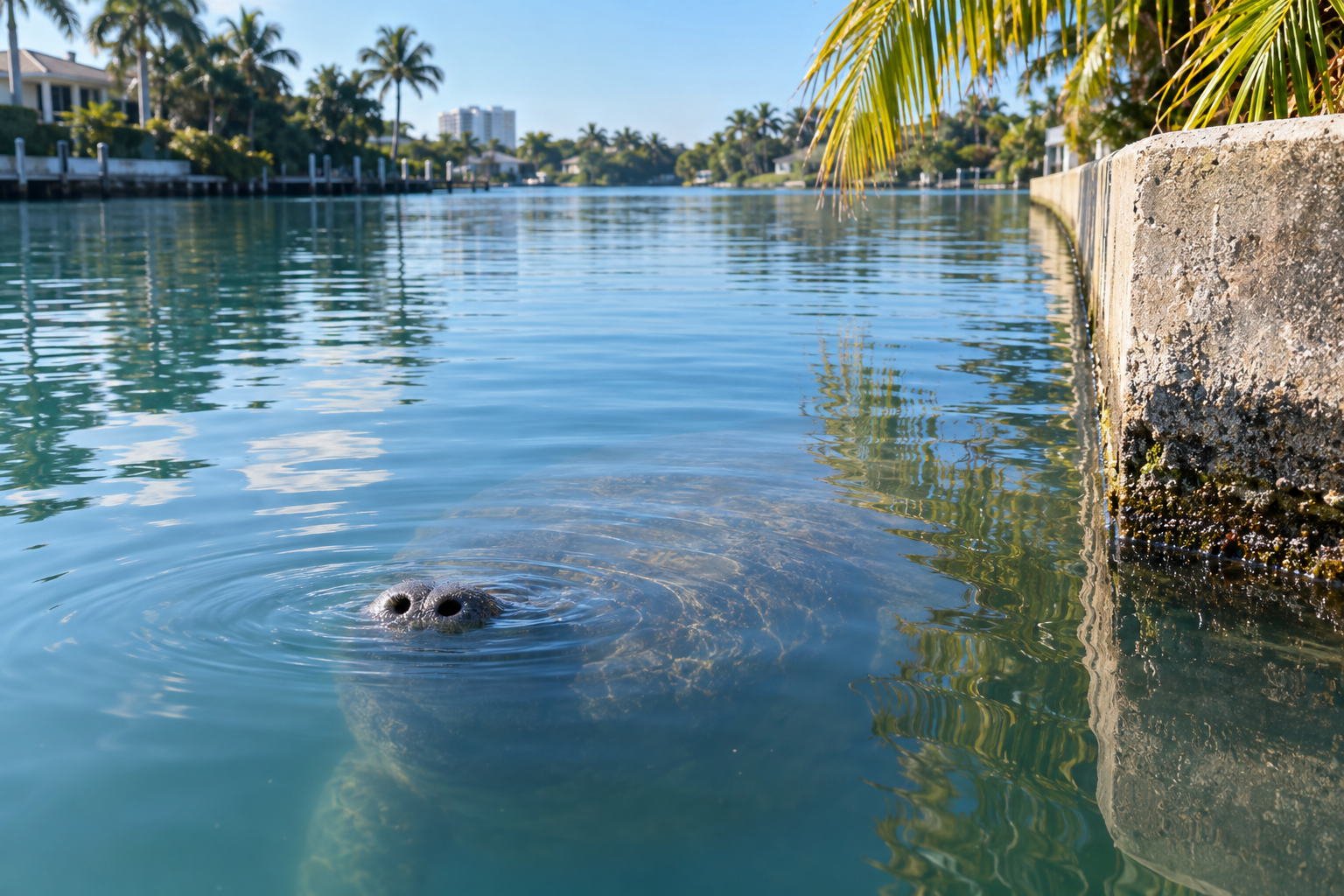
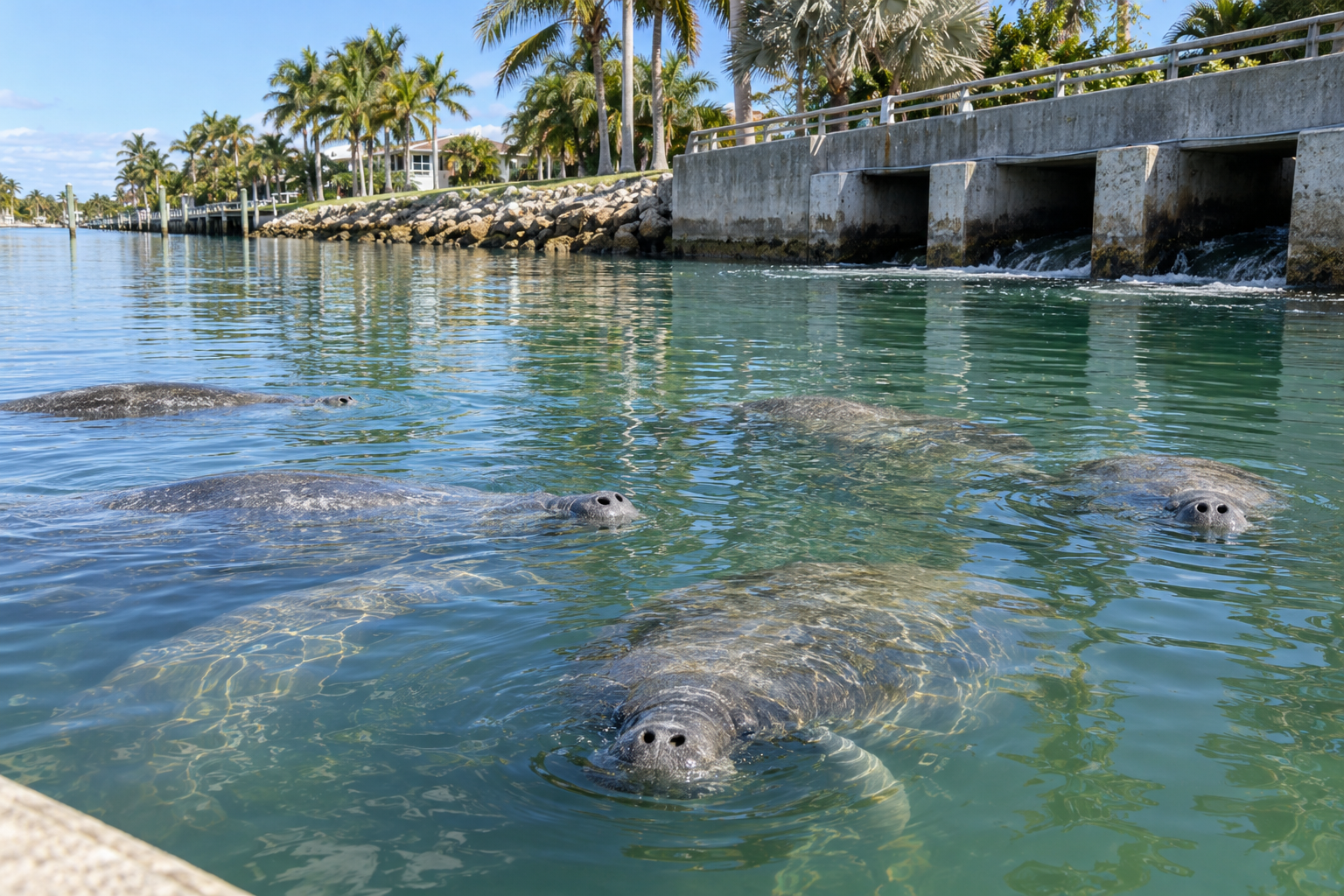
Manatees live in our waters year-round, but winter is when we see them in numbers. The trigger is water temperature. Once the bay and the Intracoastal drop below about 68°F, manatees start looking for warmer water.
That is why the pattern is so predictable. A cold front comes through, the wind swings north, and within a day or two the animals pile into canals, deep marina basins and the discharge channels at power plants. The state’s manatee protection season runs from November 15 through March 31, and that window matches real behaviour well.
Summer sightings still happen. We see singles in the Oleta River, around Dinner Key and at Black Point in July. They are just spread out across the whole coast, so the odds at any one spot drop.
Cold is also the danger. Manatees have very little body fat and cannot handle long stretches of cold water. Repeated exposure causes cold stress syndrome, which is why rescue crews are busiest after a run of cold nights.
Deering Estate, Palmetto Bay
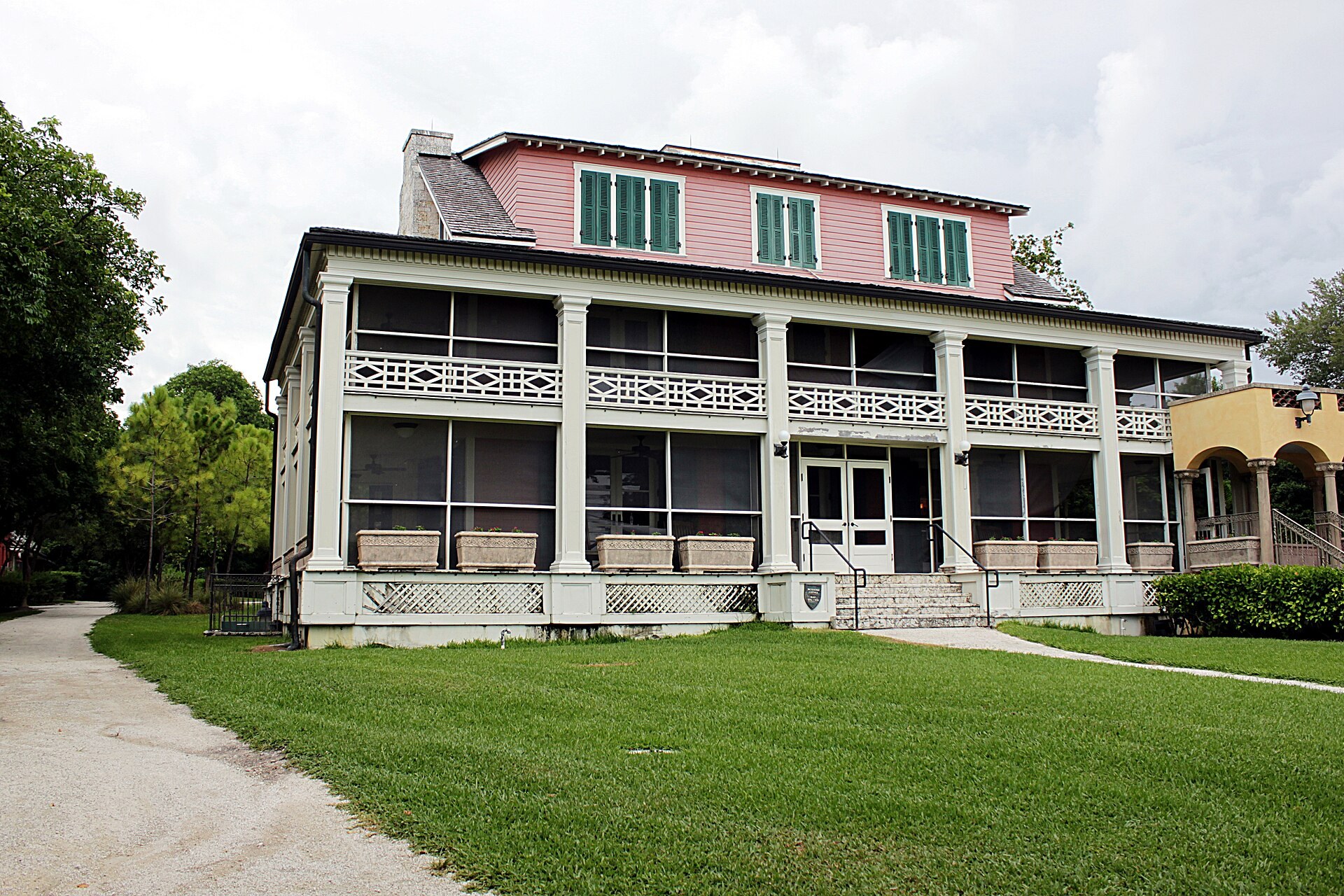
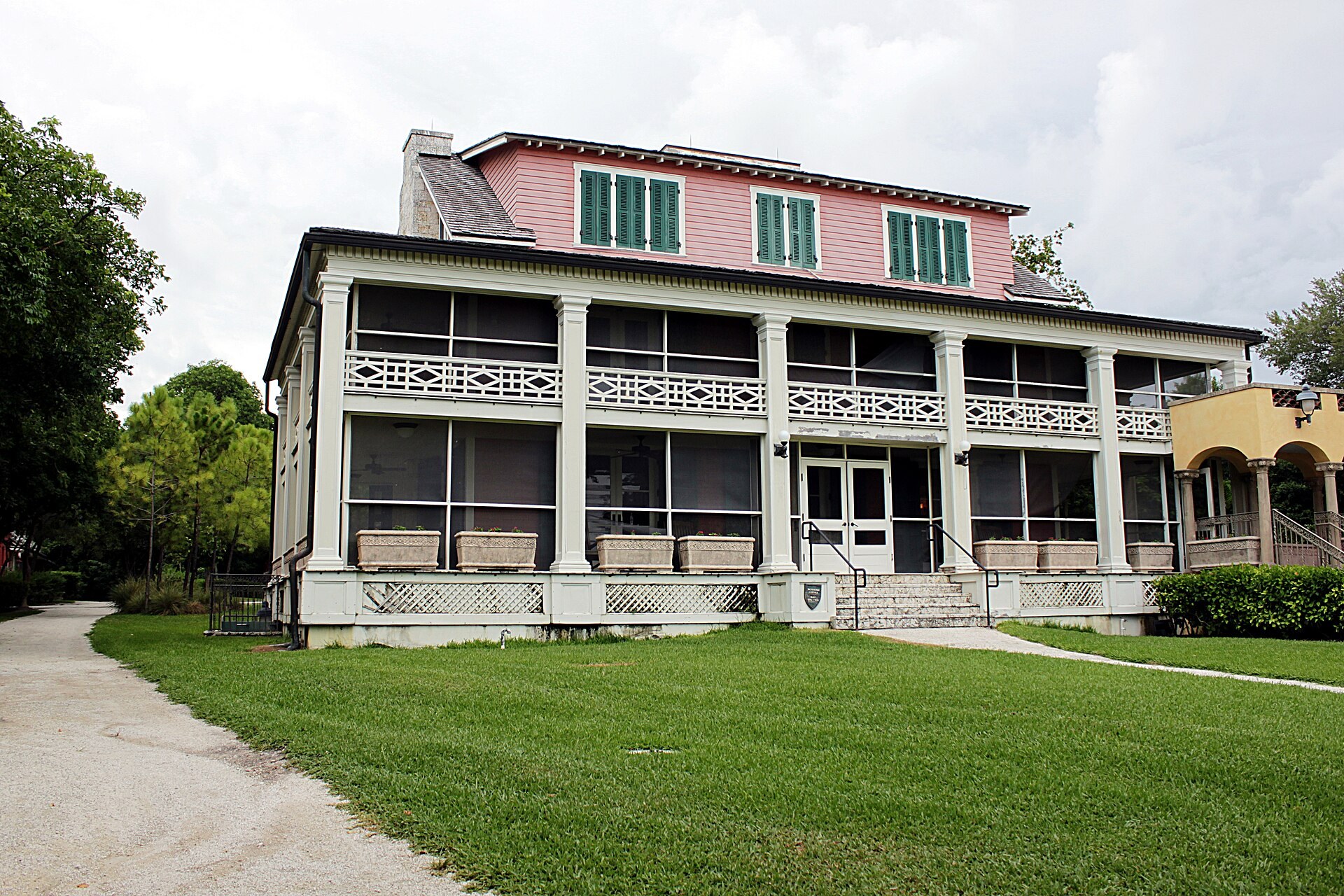
The historic estate sits right on Biscayne Bay, and its stone boat basin acts like a manatee lounge on cold mornings. We have counted more than a dozen in the basin after a front, with calves tucked beside their mothers.
Admission is charged and includes the grounds and houses. Check the Deering Estate website for the current adult and child rates and for any closures tied to events. The basin is a short walk from the main house, and the seawall gives a clear view down into the water. Go on a weekday morning if you want the edge to yourself.
Black Point Park and Marina, Cutler Bay
This county marina on the southern end of Biscayne Bay is one of the most reliable free spots in Miami-Dade. The deep basin and the jetty walkway out to the bay put you above the water with good light.
Manatees here get a lot of boat traffic, so look closely at backs and tails. Many of these animals carry propeller scar patterns, which is how researchers tell individuals apart. The restaurant on site means you can make a morning of it without planning. Weekends get busy with trailers after 9 a.m., so earlier is better for both parking and manatees.
Oleta River State Park, North Miami
Oleta is the largest urban state park in Florida and the mangrove river that runs through it is prime manatee habitat. Paddle from the park’s launch into the creeks and you will often spot a swirl, a snout, then the whole animal rolling past the kayak.
The entry fee follows the standard Florida state park scale, which is $6 per vehicle for two to eight people. Confirm on the Florida State Parks site before you go. Rentals are available from the park concession in season. The rule on the water is simple: let the manatee set the distance. Stop paddling, drift, and never put yourself between a mother and a calf.
Matheson Hammock Park, Coral Gables
Matheson’s marina channel and the protected atoll pool draw manatees in during cold spells. We usually find them along the marina seawall where the water is deepest and warmest. The county charges a per-vehicle entry fee on weekends and holidays, so check the Miami-Dade Parks page for the current rate.
Bring binoculars. The channel is wide and the animals can hang near the far side under the mangroves. If you also want a swim, the atoll pool is the same spot that fills the lists of favourite miami beaches, so the family has something to do while you wait for a sighting.
Secret Woods Nature Center, Dania Beach
This small Broward county park sits on the South Fork of the New River, right under the I-95 corridor, and the river bend by the boardwalk is a known manatee hangout in winter. The elevated boardwalk gives a clean look down into the tannin-dark water. Staff post recent sightings at the nature center.
It is free, it has restrooms and shade, and the whole loop takes under an hour. That makes it our first recommendation for anyone with small children. The water is dark, so watch for the tell-tale ring of ripples when an animal exhales and the pale patch of a tail breaking the surface.
New River and the Riverwalk, Fort Lauderdale
Fort Lauderdale is one of the best cities in Florida for an accidental manatee sighting. The New River runs through downtown, and the Riverwalk, the Stranahan House docks and the canals of the Las Olas Isles all see manatees once the water cools.
Walk the north bank between the Andrews Avenue and 3rd Avenue bridges early in the morning. The water taxi captains also point them out as part of the trip, which is a good option if you want a seat rather than a walk. Fishing lines and dock debris are a hazard in this stretch, so note any animal trailing rope or monofilament and report it.
Anne Kolb Nature Center, Hollywood
Anne Kolb sits inside West Lake Park, a big mangrove estuary beside the Intracoastal. The observation tower gives a wide view over the lake, and the rental kayaks and canoes let you work the creeks on calm days. Broward charges a small per-person entry fee at this park on weekends and holidays; confirm the current amount on the county parks site.
Manatees use West Lake for grazing and shelter rather than warmth, so sightings are more spread across the year than at the power plant spots. The payoff is the setting. On a quiet weekday you can have a mangrove creek to yourself with a manatee feeding on the bottom a few boat lengths away.
Manatee Lagoon, West Palm Beach
This is the big one. Florida Power & Light built an education center beside the warm-water discharge of its Riviera Beach plant, and the viewing platform looks straight down on the outflow channel. On a cold morning after a front we have seen the surface carpeted with backs, well over a hundred animals in the channel at once.
Admission is free, and the center runs a live manatee cam so you can check the channel before leaving home. Hours and opening days vary by season, and the center has typically closed on Mondays, so confirm on the Manatee Lagoon website. The center also posts a daily sighting count in season. Parking is on site and fills by mid-morning on the coldest weekends.
Local tip
Manatee Lagoon posts its daily count online during the season. If the count is low, check the forecast: a front arriving tonight usually means a packed channel tomorrow morning, and the crowds lag the manatees by a day.
Phil Foster Park, Riviera Beach
Phil Foster is better known for the snorkel trail under the Blue Heron Bridge, and manatees are regulars along the seawalls and shallows. Snorkelers meet them at slack high tide when the water clears. Shore watchers can do just as well from the walkway on the east side of the park.
The rules for snorkelers are the same as for everyone else. No touching, no chasing, no cutting off an animal’s path to the surface. Let it pass. The park is free, but the lot is small and divers claim it early on weekend mornings around the high tide.
Boynton Harbor Marina, Boynton Beach
The city marina in downtown Boynton Beach has a protected basin right off the Intracoastal, and manatees drift in regularly in winter. The public walkway around the docks gives you a dock-level view, and the city has posted manatee signage because sightings are so routine.
There are restaurants within a few steps, which makes it an easy stop between other Palm Beach County errands. Keep an eye on the dive and charter boats coming and going; the manatees here are used to engines, but we have seen a few close calls at the fuel dock.
Day trips worth the drive
The tri-county area gives us good winter viewing, but three places elsewhere in Florida are on a different scale.
Manatee Park in Fort Myers sits on the Orange River beside another FPL plant and is about two and a half hours from Fort Lauderdale on I-75. Lee County runs it, admission is free and there is a parking fee. It is the closest high-volume site to Broward and Miami-Dade.
Blue Spring State Park near Orange City is a true spring, with water at a constant 72°F. Hundreds of manatees shelter in the run during cold snaps. The park closes the run to swimming in manatee season and the gate closes when the park hits capacity, often before 9 a.m. on cold weekends. It is roughly four hours from Miami.
Crystal River on the Gulf coast is the only place in Florida where in-water passive observation is permitted, inside the Crystal River National Wildlife Refuge at Three Sisters Springs. Plan on five hours of driving each way and book a licensed tour. The TECO Manatee Viewing Center in Apollo Beach near Tampa is another free power plant site that runs roughly November through mid-April.
For any of these, check the park or refuge website for current dates, fees and capacity rules before you leave. They change year to year.
Watching without breaking the law
Florida declared itself a refuge and sanctuary for the manatee in 1978. That law, plus the federal Marine Mammal Protection Act and Endangered Species Act, makes it illegal to harass, hunt, capture or kill a manatee, and harassment is defined broadly. Anything that changes the animal’s natural behaviour counts.
In practice, the lines are clear.
| Situation | What we do |
|---|---|
| Manatee surfaces beside the kayak | Stop paddling, drift, let it pass |
| Someone is running a hose into the water for it | Ask them to stop, then report it |
| Manatee is rubbing on a dock piling | Watch; that is normal scratching behaviour |
| Boat is idling toward a group | Signal the skipper and note the registration |
| Animal has a rope or fishing line on it | Call FWC with location and description |
| Kids want to pet one from the seawall | No touching, even a passing hand on the back |
Feeding and watering are the two that trip up well-meaning people. A manatee that learns to approach docks for lettuce or a running hose will approach boats too, and boats kill manatees. The state’s supplemental lettuce feeding on the east coast in recent winters was a managed emergency response by FWC and federal biologists during a die-off, not a model for the public.
Boaters have their own rules. Slow-speed and idle-speed manatee zones cover much of Biscayne Bay, the Intracoastal and the rivers in all three counties. Some are seasonal, matching the November 15 to March 31 window, and many are year-round. The signs on the water are the law; FWC publishes the zone maps online if you want to plan a route.
How to report a sick, injured or dead manatee
Quick steps: report a manatee in trouble
- Note the exact spot: marina name, canal, nearest cross street.
- Watch for signs of distress: listing, tight circling, rope, deep fresh wounds.
- Call the FWC Wildlife Alert line at 888-404-3922, or dial *FWC or #FWC on a cell phone.
- Describe the animal: size, calf present, visible scars or a tag.
- Stay in sight of the animal if you can, so responders can find it.
- Do not push, tow or try to free it yourself.
FWC coordinates rescues with partner facilities, and the response is quick when the location is precise. A satellite tag floating behind an animal is not a problem; it is part of a tracking study, and FWC still likes to hear where tagged animals turn up.
Dead manatees matter too. Every carcass is recovered and examined when possible, and those exams are how the state tracks boat strikes, cold stress and red tide. The record year was 2021, when more than 1,100 manatees died statewide, most of them on the Atlantic coast in the Indian River Lagoon after seagrass loss left them starving.
When to get help
Call FWC for any manatee that looks hurt, stranded, orphaned, or trapped in a canal lock or storm drain. For a boat that keeps violating a speed zone, note the registration and report it through the same Wildlife Alert line. For school groups, Manatee Lagoon and Secret Woods both run staff-led programmes; book through their sites.
From legs to flippers: how manatees evolved
The animals we watch from the seawall started on land. Around 50 million years ago, in the early Eocene, a four-legged mammal about the size of a pig waded in the rivers and shallow seas of what is now Jamaica. Science knows it as Pezosiren portelli, and its fossil skeleton, found in Jamaican rocks, is the oldest sirenian with a complete enough body to show it could still walk.
Pezosiren already had the thick, dense ribs that every sirenian carries today. Its hips and legs were working limbs, but its skull and teeth were pointing toward a grazing life in the water. Within a few million years its relatives had lost the hind limbs and turned the front ones into flippers.
So the “fins to legs to fins again” story is real. The earliest mammals came from fish ancestors that had crawled onto land hundreds of millions of years earlier. Sirenians, like whales, then went back. They did it separately from whales and from a different branch of the mammal tree.
That branch is the surprising part. The closest living relatives of manatees are elephants and the small rock hyraxes of Africa and the Middle East. All three sit in a group called Paenungulata, and manatees and elephants together form Tethytheria, named for the ancient Tethys Sea where early sirenians and elephant relatives lived. The shared ancestry shows in the details. West Indian manatees have toenails on their flippers like an elephant’s foot, and both animals replace their teeth in a conveyor-belt style instead of growing one adult set.
Sirenians then spread around the world’s warm coasts. Fossils turn up in Europe, North Africa, the Indian Ocean and both sides of the Atlantic. Florida was a sirenian stronghold for much of the last 20 million years, and the phosphate mines of the Bone Valley region in central Florida have produced huge numbers of bones from an extinct dugong relative called Metaxytherium.
The modern manatee genus Trichechus appears later. Most researchers think it evolved in the rivers and coasts of South America and the Caribbean before moving north. Ice age fossils are scarce, but researchers have reported manatee bones from Pleistocene deposits on the Texas Gulf coast, which suggests the animals ranged further along the northern Gulf during warm stretches of the last ice age than they do today.
Steller’s sea cow and the other sirenians
The giant of the family was Steller’s sea cow, Hydrodamalis gigas. It lived in the cold Bering Sea around the Commander Islands, fed on kelp, and grew to roughly 25 to 30 feet. Weight estimates vary, with most falling between 8 and 10 tons, several times the size of any manatee.
The naturalist Georg Steller described it in 1741 when his shipwrecked expedition wintered on Bering Island. Fur hunters followed. By 1768, 27 years later, the species was gone. It is the only sirenian known to have gone extinct in historic times, and it is the reason the family is watched so closely now.
| Species | Where | Tail | Habitat |
|---|---|---|---|
| Florida and Antillean manatee | Florida, Caribbean, Gulf, northern South America | Rounded paddle | Fresh, brackish and salt water |
| Amazonian manatee | Amazon basin | Rounded paddle | Fresh water only |
| West African manatee | Coasts and rivers of West Africa | Rounded paddle | Fresh, brackish and salt water |
| Dugong | Indian and western Pacific oceans | Fluked like a dolphin | Salt water only |
| Steller’s sea cow | Bering Sea, extinct 1768 | Fluked | Cold kelp shallows |
The quick field mark between manatee and dugong is the tail. Manatees have a round paddle; dugongs have a notched fluke. Dugongs also stay in the sea and never enter rivers. The Amazonian manatee is the smallest and the only one without flipper nails.
Built for grazing: body and bone
A manatee looks soft and shapeless, and that is partly design. The bones are the heaviest part of the animal. Manatee ribs are solid, with almost no marrow cavity, and that density works as ballast so the animal can hang at the bottom and graze without effort.
Lungs run along the back rather than under the ribs. By squeezing or relaxing them, a manatee adjusts its buoyancy like a submarine, which is why you see them rise and sink without a visible kick. Resting animals surface every few minutes to breathe and can stay down for up to about 20 minutes.
The neck is another oddity. Almost every mammal, from a giraffe to a mouse, has seven neck vertebrae. Manatees have six. That short, stiff neck is why they turn the whole body to look at something.
Teeth are the detail we like most. Manatees have no front teeth at all. The molars form at the back of the jaw and migrate forward over the animal’s life as the front ones wear down and drop out. Scientists call them marching molars, and sand mixed in with seagrass is what grinds them away. Elephants do something similar.
They are slow, usually around 3 to 5 mph, with short bursts to perhaps 15 mph when startled. There is no blubber layer to speak of, and that is the physical reason a Florida winter can kill an animal that outweighs a small car.
What manatees eat in Biscayne Bay and the Intracoastal
Manatees are the only fully herbivorous marine mammals alive. In South Florida the menu is mostly seagrass: turtle grass, manatee grass and shoal grass on the flats of Biscayne Bay, Lake Worth Lagoon and the Intracoastal. In the canals and rivers they switch to hydrilla, water hyacinth and whatever greenery hangs within reach of the bank.
An adult eats roughly a tenth of its body weight in plants every day, so a 1,000-pound animal moves through around 100 pounds of seagrass. That takes six to eight hours of grazing, which explains why a watched manatee rarely does anything exciting. They also need fresh water and will drink from hoses and outfalls, which is the root of the no-watering rule.
The 2021 die-off showed how thin the margin is. When seagrass collapsed in the Indian River Lagoon after years of algae blooms, animals that gathered at warm-water sites in winter had nothing to eat within range. Our bays south of there held up better, but seagrass health in Biscayne Bay is tracked closely by the county and the state for the same reason.
Calves, mothers and lifespan
Manatees are slow breeders, which is the long-term problem behind every short-term rescue. A female reaches maturity around five years old. Pregnancy lasts about 12 to 13 months and almost always produces one calf. Twins are rare.
The calf nurses for one to two years from teats under the mother’s flippers and learns the winter travel routes from her. That is why mother-calf pairs matter so much at the viewing sites: a calf that follows its mother to Manatee Lagoon one winter will come back on its own.
Females calve only every two to five years. With a lifespan that can reach 50 or 60 years in the wild, a healthy manatee has time to raise several calves, but the population cannot bounce back quickly from a bad year. Every boat strike and cold snap takes a bigger bite than the raw count suggests.
Courting groups look chaotic, with several males pushing and rolling around one female in shallow water. People sometimes report these as animals in distress. They are not, and they are a good example of when to watch from a distance and let it play out.
Why they matter to South Florida
The Florida manatee is listed as threatened under the Endangered Species Act and protected under the Marine Mammal Protection Act. Status reviews come around regularly, so check the U.S. Fish and Wildlife Service or FWC for the current listing before quoting it.
Boat strikes are the leading human-caused death, and the tri-county area has more registered boats than almost anywhere in the state. The speed zones we grumble about on the Intracoastal exist for that reason. Each winter’s necropsy numbers from FWC are the scorecard.
Manatees are also an indicator for the water itself. Healthy seagrass means healthy manatees, and healthy seagrass means clearer water, more fish and better fishing. The state’s Save the Manatee license plate and boat decal feed a trust fund that pays for research and rescue, which is the easiest way for any of us to help beyond behaving around them.
They are, finally, a reason people come here in winter. A free morning at Manatee Lagoon or Secret Woods with a dozen sea cows rolling in the channel is a better South Florida memory than most of the things people pay for.
FAQ
Are sea cows and manatees the same thing?
In Florida, yes. “Sea cow” is the common name for all sirenians, and the only sirenian in our waters is the Florida manatee. Dugongs and the extinct Steller’s sea cow are also sea cows, but you will not find them here.
What is the best month to see manatees in South Florida?
January and February, especially the day after a cold front. Any morning when the water drops below about 68°F pulls manatees into warm basins and outflows. The protection season of November 15 to March 31 is a good guide to the whole viewing window.
Can we swim or snorkel with manatees here?
You can be in the water at places like Phil Foster Park, but you cannot approach, touch or chase. The only legal in-water manatee encounters in Florida are passive observation tours at Crystal River on the Gulf coast. Everywhere else, treat it as a dock-and-kayak activity.
Is it illegal to give a manatee fresh water from a hose?
Yes. Feeding or watering changes the animal’s behaviour and counts as harassment under state and federal law. It also teaches manatees to approach docks and boats, which gets them killed.
How big do Florida manatees get?
Adults average about 10 feet and 1,000 pounds. Large females can reach 13 feet and more than 3,000 pounds. Steller’s sea cow, the extinct Arctic relative, was far bigger, at roughly 25 to 30 feet and several tons.
Are manatees related to elephants?
Yes. Manatees, elephants and hyraxes share a common ancestor, and manatees and elephants together form a group called Tethytheria. The flipper toenails and the conveyor-belt tooth replacement are two of the visible links.
Who do we call about a hurt or dead manatee?
FWC’s Wildlife Alert line at 888-404-3922, or *FWC from a cell phone. Give the precise location, describe the animal and stay in sight of it if you safely can.
Where can we confirm hours and fees before we go?
Manatee Lagoon posts hours and a live cam on its own site. State parks like Oleta River list entry fees on the Florida State Parks site, and the county parks pages for Miami-Dade, Broward and Palm Beach carry weekend fee details. Deering Estate publishes its admission prices directly.
