Santería is an Afro-Cuban religion that grew from the Yoruba traditions enslaved West Africans carried to Cuba. Its followers worship spirits called orishas, often through the images of Catholic saints. Practitioners also call it Lucumí or Regla de Ocha, and South Florida has one of the largest communities of believers outside Cuba. Below you’ll find where the faith came from, how its rituals work, who the main orishas are, and how to visit a botánica respectfully.
Where Santería comes from
The Yoruba people of present-day Nigeria and Benin worshipped a supreme creator, Olodumare, along with a family of orishas who govern nature and human life. Spanish colonists in Cuba banned those beliefs and baptized enslaved people as Catholics. Worshippers responded by placing each orisha behind a saint with similar traits. Changó, the warrior of thunder, became linked with Saint Barbara, who is often painted in red holding a sword.
That pairing is why outsiders named the faith “Santería,” meaning “way of the saints.” The name started as a mild insult, so many practitioners prefer Lucumí religion or Regla de Ocha. Lucumí was the colonial Cuban term for Yoruba-descended people, and the liturgical language used in ceremonies is also called Lucumí.
Cubans brought the religion to Miami in large numbers after 1959 and again during the 1980 Mariel boatlift. Today it lives alongside Catholicism, and many devotees go to Mass and keep an orisha shrine at home.
How the religion works
Santería has no central church, no single scripture and no head priest. It runs through houses called ilé, which are led by a godparent (padrino or madrina) who trains godchildren.
Core beliefs
- Aché is the spiritual energy that flows through all things. Rituals aim to gain it, keep it and balance it.
- Ancestors (eggun) are honored first in most ceremonies.
- Each person has a ruling orisha, a “guardian angel” revealed through divination.
Key rituals and roles
- Divination. A santero reads 16 cowrie shells (diloggún). A babalawo, a priest of Orula, uses Ifá tools. Readings guide decisions and prescribe offerings.
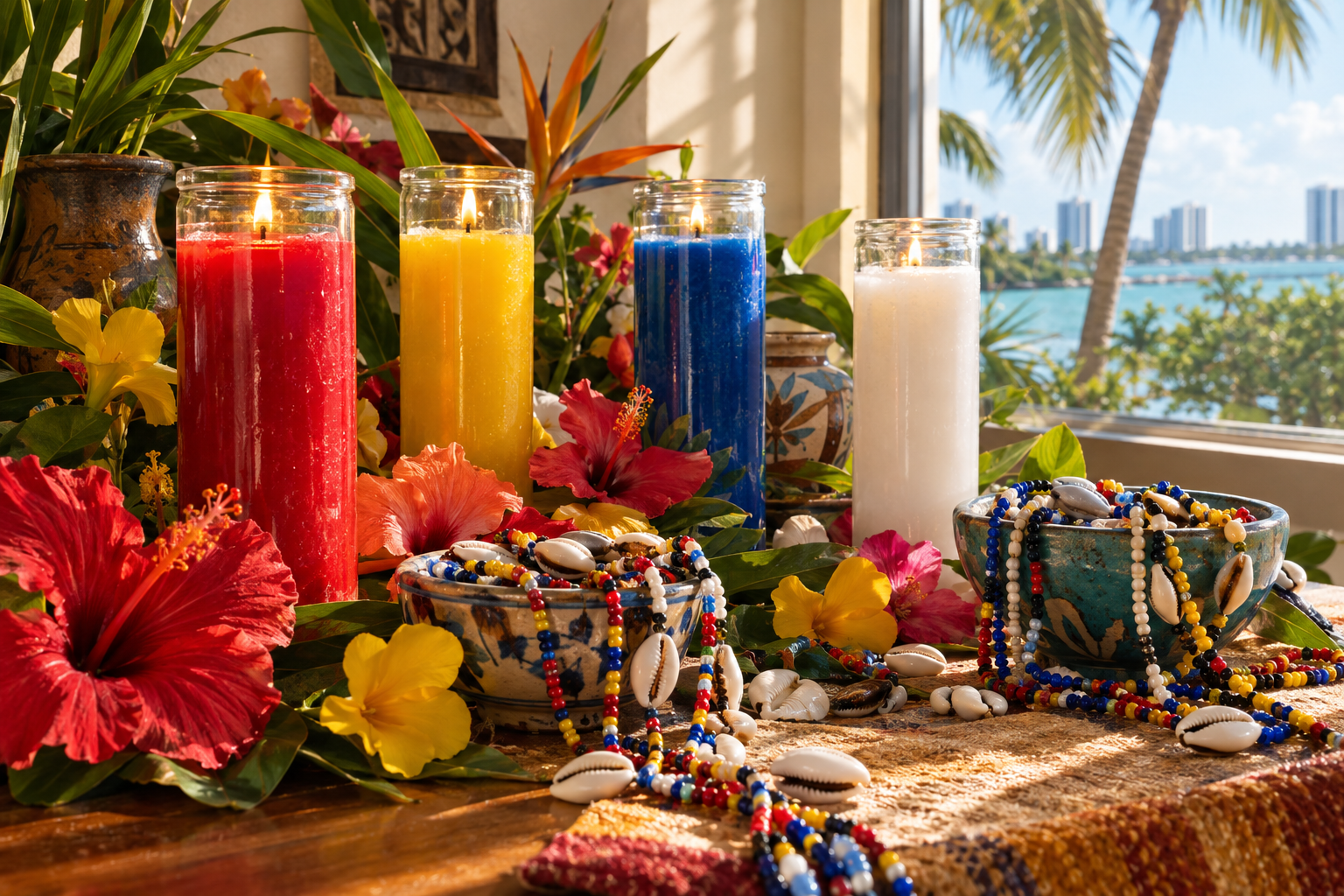
- Elekes. Beaded necklaces in an orisha’s colors are often your first step into the faith.
- Initiation (kariocha, or “making saint”). The new initiate, an iyawó, dresses all in white for a year. In Miami you’ll see iyawós at the grocery store and the airport.
- Bembé or tambor. Drumming parties with batá drums, songs and dance to call the orishas.
- Ebó. Offerings of fruit, candles, rum, flowers and, in some ceremonies, animals.
The case that started in Hialeah
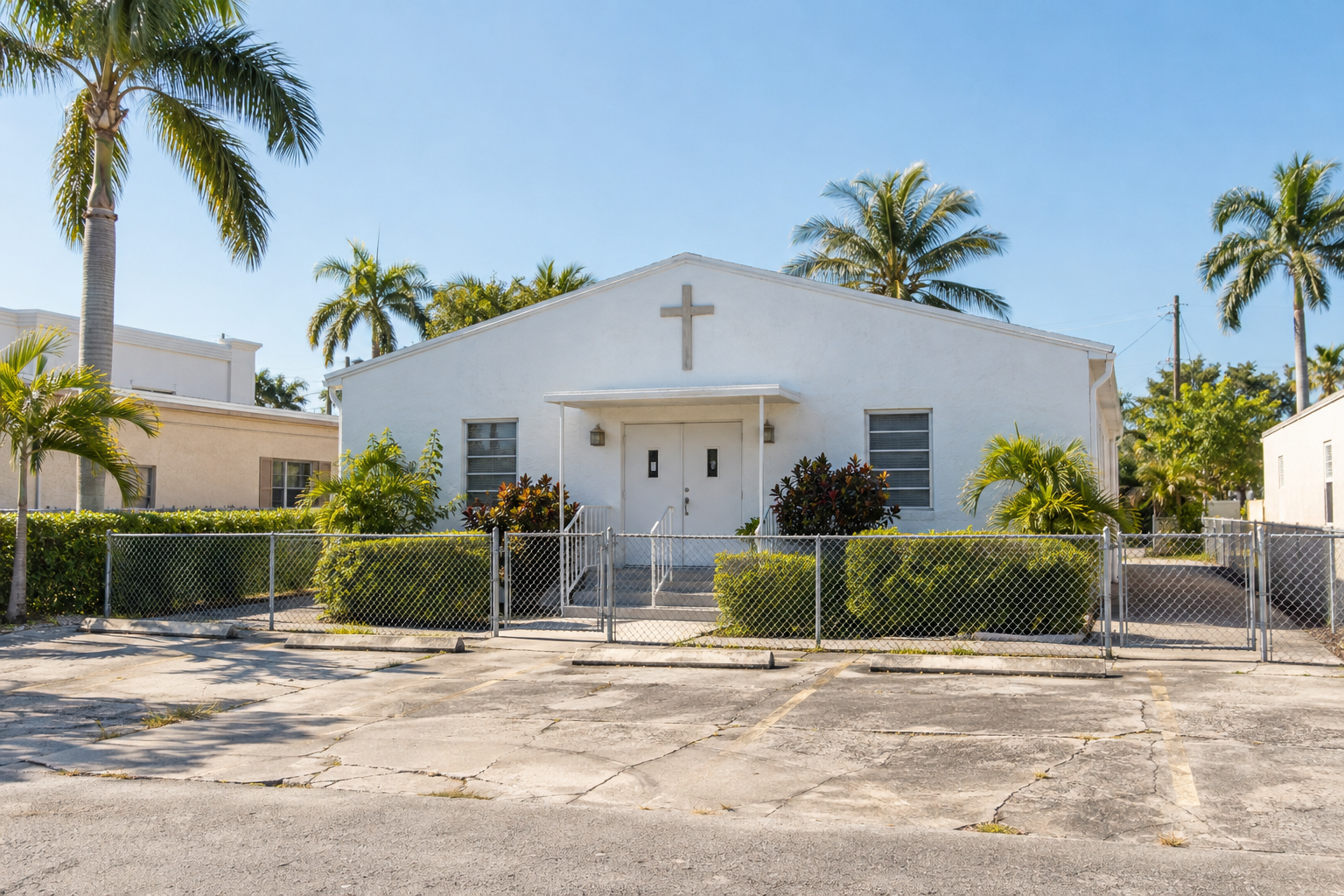
Animal sacrifice is the part of Santería outsiders ask about most, and South Florida settled the legal question for the whole country. In 1987 the City of Hialeah passed ordinances aimed at the Church of the Lukumi Babalu Aye, founded by priest Ernesto Pichardo. In 1993 the U.S. Supreme Court ruled unanimously in Church of the Lukumi Babalu Aye v. City of Hialeah that those laws targeted one religion and violated the First Amendment.
Religious sacrifice is protected, but general animal cruelty, sanitation and zoning rules still apply. In most ceremonies the animal is cooked and eaten afterward.
The main orishas and their saints
| Orisha | Rules over | Catholic pairing | Colors | Saint’s feast day |
|---|---|---|---|---|
| Elegguá | Roads, doors, fate | Saint Anthony / Holy Child of Atocha | Red and black | June 13 (St. Anthony) |
| Obatalá | Peace, wisdom, the head | Our Lady of Mercy | White | Sept. 24 |
| Yemayá | The sea, motherhood | Our Lady of Regla | Blue and white | Sept. 7 |
| Changó | Thunder, fire, war, drums | Saint Barbara | Red and white | Dec. 4 |
| Ochún | Love, rivers, beauty | Our Lady of Charity | Yellow and gold | Sept. 8 |
| Oyá | Winds, storms, cemetery gates | Our Lady of Candlemas | Maroon or nine colors | Feb. 2 |
| Babalú Ayé | Illness and healing | Saint Lazarus | Purple, burlap | Dec. 17 |
| Orula | Divination, destiny | Saint Francis of Assisi | Green and yellow | Oct. 4 |
| Oggún | Iron, work, tools | Saint Peter | Green and black | June 29 |
| Ochosi | Hunting, justice | Saint Norbert | Blue and amber | June 6 |
Elegguá always comes first. Nothing opens without the keeper of the crossroads, so many homes keep his small concrete head behind the front door.
Saint Lazarus Day on December 17 is one of the biggest dates in Miami. Devotees dress in purple and burlap, and some walk to churches in fulfillment of promises. December 4 brings Santa Bárbara celebrations full of red and white.
Where to see Lucumí culture in South Florida
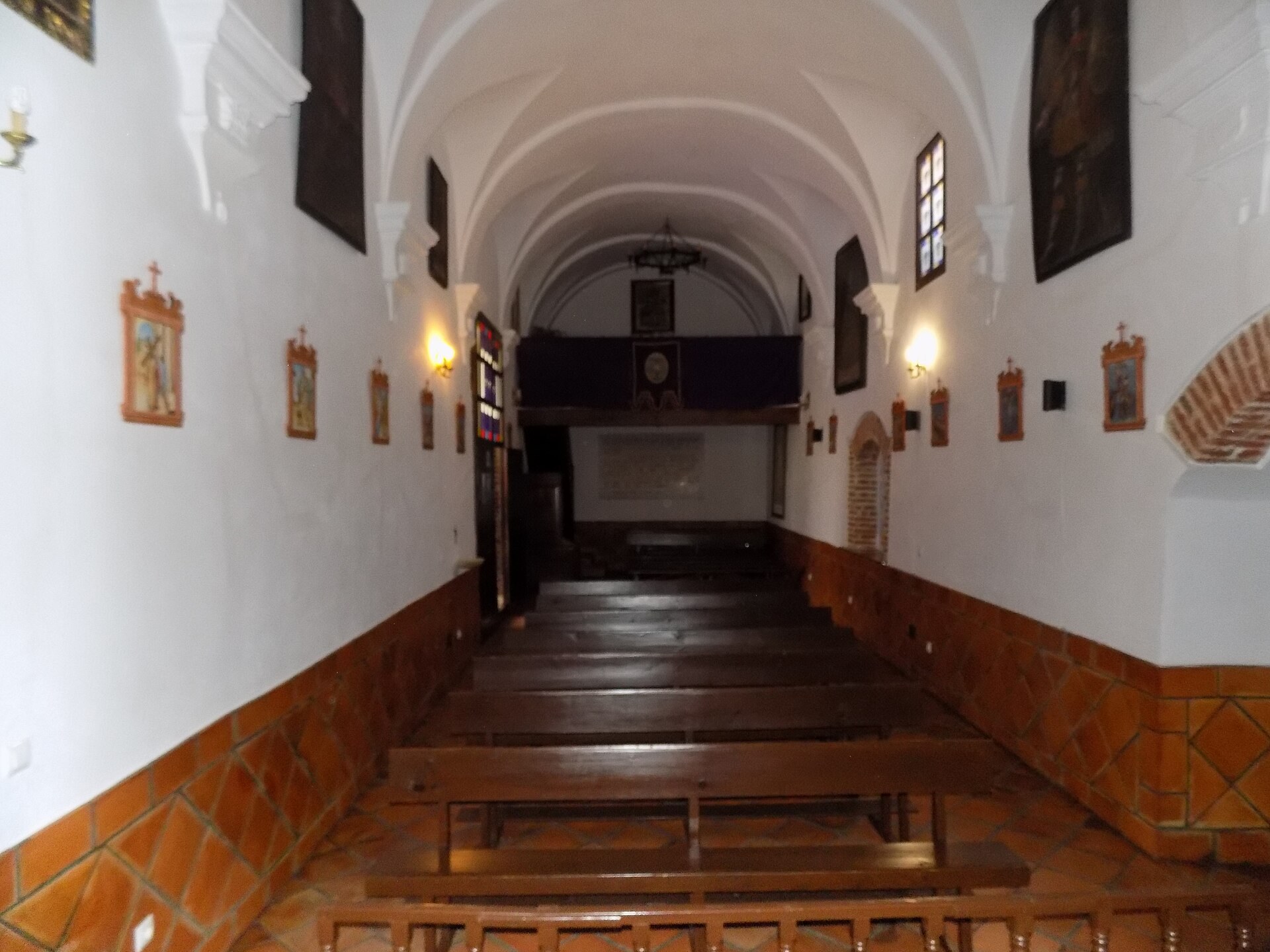
Plan your visit
- Start at the Ermita de la Caridad shrine on South Miami Avenue in Coconut Grove.
- Drive or ride to Little Havana’s Calle Ocho (SW 8th Street).
- Browse a botánica and ask before photographing anything.
- Head to Hialeah, where botánicas cluster along the main commercial streets.
- End the day on the bayfront or the beach, where you may spot offerings.
La Ermita de la Caridad
This is a Catholic shrine to Our Lady of Charity, Cuba’s patron saint, and it sits right on Biscayne Bay. Many visitors also honor her as Ochún. Treat it as a church and dress modestly. Her feast on September 8 draws big crowds, so check the Archdiocese of Miami or the shrine for Mass times.
Botánicas
Botánicas are religious supply shops. You’ll find seven-day candles, herbs, soperas (lidded tureens that hold an orisha’s sacred stones), statues, elekes, cascarilla (powdered eggshell) and colognes like Florida Water. Hialeah and Little Havana have the highest concentration. In Little Haiti, many botánicas serve Haitian Vodou, a related but distinct faith, so don’t assume they carry the same items or follow the same tradition.
Most owners are happy to explain what an item is for. Some won’t sell ritual objects that require an initiated priest to prepare. Respect that answer.
What you need
- Cash, since some small shops prefer it
- Modest clothing for the shrine
- Spanish phrases, or a translator app
- Patience with questions you can’t ask yet
Local tip
Weekday mornings are the quietest time to visit a botánica. Owners have time to talk, and you won’t be in the way of regulars buying for a weekend ceremony.
Offerings by the water
Fruit, flowers, coins or molasses on the sand usually belong to Yemayá or Ochún. On Miami beaches and along the Miami River, leave them alone. Don’t touch them, step on them or photograph them up close.
Good to know
Be wary of anyone who promises to remove a curse or bring back a lover for a fee, especially strangers on social media. Real initiations cost thousands, but they happen inside an established house after months of relationship, never through a cold sales pitch.
Getting involved
You can’t join Santería by buying beads. The usual path starts with a reading from a respected santero or babalawo, often through a friend or family member already in a house. From there you may receive elekes and the warrior orishas (Elegguá, Oggún, Ochosi and Osun) long before anyone discusses initiation.
When to get help
If someone pressures you for money, isolates you, or tells you to stop medical treatment, walk away and talk to someone you trust. Practitioners themselves say the orishas work alongside doctors. For a dispute with a city or landlord over religious practice, a civil rights attorney is the right call.
FAQ
Is Santería the same as Lucumí?
Yes. Lucumí and Regla de Ocha are the names many practitioners prefer. “Santería” is the common outside term.
Is Santería a form of Catholicism?
No. It is a distinct Yoruba-rooted religion that uses Catholic saint imagery. Many followers are also baptized Catholics, but the Catholic Church treats them as separate faiths.
Is Santería legal in Florida?
Yes. The 1993 Supreme Court ruling from the Hialeah case protects its practice, including ritual sacrifice. General animal welfare and health laws still apply.
Is Santería the same as Vodou?
No. Both come from West African roots and both use Catholic imagery, but Vodou developed in Haiti with different spirits, called lwa, and different rituals.
Can I attend a ceremony as a visitor?
Only by invitation. Drumming parties are sometimes open to friends of the house. Wear white or light colors if you’re asked to, and follow your host’s lead.