Why this park works for a casual fan
The roof is the whole story. South Florida summers are brutal, and loanDepot park keeps the roof closed and the building cooled on most game days, so a July night game feels more like an arena than a ballpark. You can wear jeans, bring kids, and not worry about a 4 pm thunderstorm cancelling your plans.
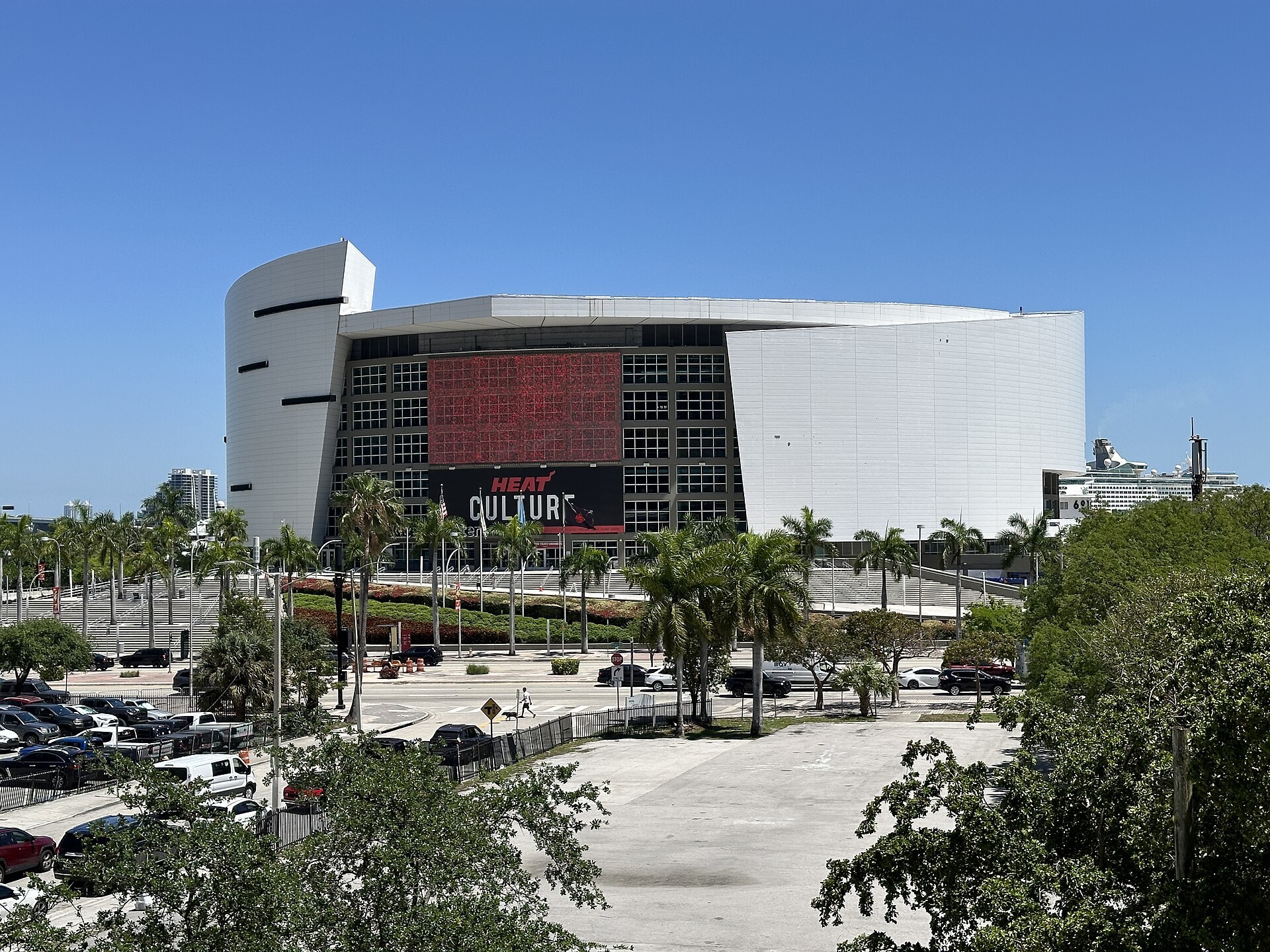
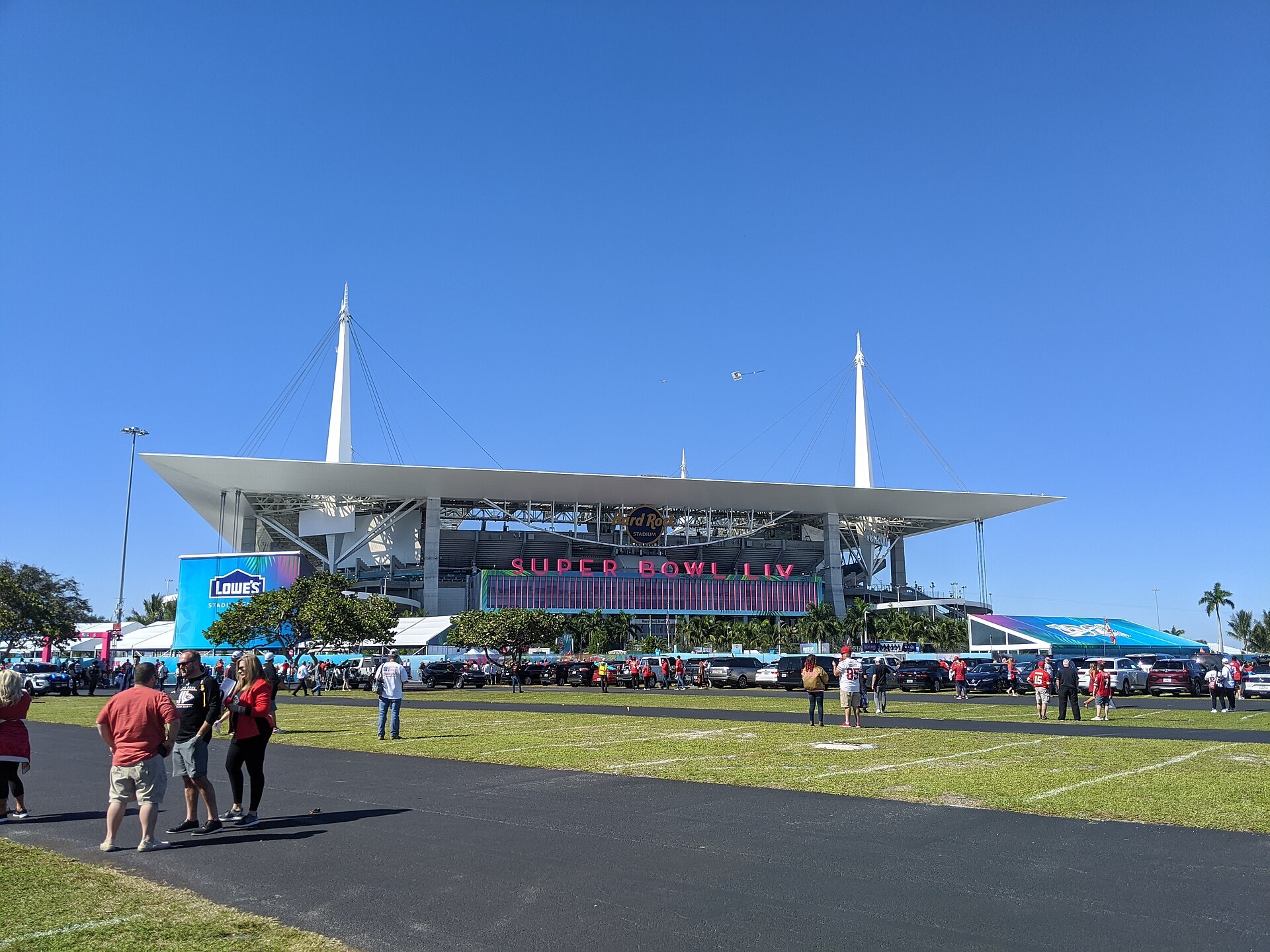
It is also one of the easiest big-league tickets in the country. The Marlins rarely sell out, which means you can usually decide on a Tuesday afternoon, buy a seat on your phone, and be in the building by first pitch. Compare that with a Dolphins Sunday at hard rock stadium or a Heat playoff night at kaseya center, where parking and tickets need a plan weeks out.
The ballpark sits on the footprint of the old Orange Bowl, a few blocks north of Calle Ocho. Giant letters spelling out the old stadium’s name stand in the west plaza, and that is about all the history you need to know. If you want the full backstory of the orange bowl and its replacement, that is a separate read.
Getting tickets
Marlins tickets are digital only. Your ticket lives in the MLB Ballpark app, you scan a barcode at the gate, and paper printouts are not accepted. Set up the app before game day, because the Wi-Fi crush at the gate is not the moment to be resetting a password.
Quick steps: buy Marlins tickets
- Download the MLB Ballpark app and create an MLB account.
- Pick the game on marlins.com or the app’s Tickets tab.
- Compare the team’s price with SeatGeek, MLB’s official resale partner.
- Choose a level: Promenade for the view, Vista for the price.
- Add parking at checkout if you plan to drive.
- Check the app the morning of the game to confirm tickets are loaded.
- Open the barcode before you reach the gate to save time in line.
Where to buy
The team’s own site and the Ballpark app are the primary channels. Prices move with demand, so a Friday against the Yankees or Dodgers costs far more than a Wednesday against a struggling division rival. Single-game seats in the upper level have regularly been listed under $20 on quiet weeknights, and the resale market often dips lower once the game starts.
SeatGeek is the official resale marketplace, which matters because resale tickets bought there transfer straight into the Ballpark app. Tickets from unofficial sellers may arrive as screenshots or PDFs that will not scan. If a listing looks unusually cheap on a site you have never used, walk away.
The box office at the park sells tickets in person on game days. It is useful if you have a group question or need accessible seating, but it is slower than buying on your phone in the parking garage.
Ticket plans and promotions
The Marlins run partial season plans, group packages and a steady calendar of promotional nights with giveaways, theme nights and postgame concerts or fireworks. Promotional items are usually limited to the first several thousand fans through the gates, so arrive at opening if a bobblehead is the reason you are going. The promotions page on the team’s site lists dates and quantities.
If you want to track prices for a specific game, set an alert in the Ballpark app or on SeatGeek. Prices for mid-week games often drop in the final 48 hours.
What you need
- MLB Ballpark app with tickets loaded
- Phone charged above 50 percent
- Photo ID if picking up at will call
- Credit or debit card (the park is cashless)
- Prepaid parking pass if driving
- Light layer for the air conditioning
Getting there and parking
The park sits between NW 3rd Street and NW 7th Street, roughly NW 14th to NW 17th Avenue, just south of the Dolphin Expressway (SR 836). That location is the reason parking is both easy and annoying: the garages are right there, but the surrounding streets are tight residential blocks with permit-only parking on game days.
Driving
From Broward or Palm Beach, take I-95 south to SR 836 west and follow the signs for the ballpark exit, which the Marlins’ transportation page lists along with current routing. From miami international airport, SR 836 east to the same exit takes about fifteen minutes without traffic. From Brickell or downtown, you can skip the expressway entirely and drive west on NW 7th Street or Flagler Street.
Give yourself more time than the map app suggests. The NW 17th Avenue exit backs up in the hour before first pitch, and the Dolphin Expressway is a toll road, so have SunPass or expect a toll-by-plate bill.
The garages
Four parking garages wrap around the park. They are commonly referred to by their position: Home Plate, Third Base, First Base and Left Field. The garages are owned by the City of Miami, but the Marlins sell game-day parking through the team’s site and the Ballpark app. Prepaying is the right move; garages can sell out for big games and the drive-up price is higher.
Prepaid garage spots have generally run in the twenty to thirty dollar range depending on the garage and the opponent. The Marlins’ parking page shows current prices and lets you pick the garage closest to your gate. Surface lots near the garages fill first and sell for a few dollars less.
The garages open ninety minutes before first pitch and clear out faster than most big stadiums because the bowl is small. Still, the Home Plate garage is the slowest to exit because everyone funnels toward the same ramp. If you want a quick getaway, choose Third Base or Left Field and walk the extra two minutes.
Residential driveways
Homeowners in the surrounding blocks sell driveway and yard parking for cash, typically cheaper than the garages. This is a Miami tradition that predates the ballpark, and most of it is legitimate. The risks are getting blocked in by other cars in the same yard and walking back through unlit streets after a night game. If you use a driveway, pick one with a clear exit path and pay attention to where you parked.
Good to know
Street parking on the blocks around the park is residential permit only on game days and the City of Miami tows aggressively. A twelve dollar driveway can turn into a two hundred dollar tow if you park at the curb instead of in the yard, and some people selling “parking” are directing you onto public street spaces they do not control.
Transit and trolley
The park does not have a Metrorail stop. The nearest stations, Culmer and Civic Center, are each more than a mile away, and walking that stretch at night is not something I recommend. The Marlins have at times run a free game-day shuttle from a nearby Metrorail station; check the transportation section of the team’s site before you count on it.
The City of Miami Trolley is free and its Little Havana route stops near the park, connecting to Calle Ocho and toward downtown. Trolleys run on a loop so headways can stretch to twenty minutes, and service ends in the evening, so confirm the last run before you rely on it for the trip home.
Metrobus routes run along Flagler Street and NW 7th Street a short walk from the gates. The GO Miami-Dade Transit app shows real-time arrivals, and the fare works with a tap-to-pay card or the app. Brightline riders arrive at MiamiCentral downtown and are a ten-minute rideshare from the park.
Rideshare and taxi
Uber and Lyft work well on the way in and badly on the way out, same as every stadium. There is a signed rideshare zone; your app will route you to it, and the Marlins publish its location on the A to Z fan guide. After the final out, surge pricing kicks in and the pickup line stretches. The fix is to walk ten minutes south to Calle Ocho, grab a drink, and order a car once the crowd thins.
Local tip
Park once, walk twice. Leave the car in a lot near SW 8th Street and 17th Avenue in the afternoon, eat in Little Havana, walk fifteen minutes north to the game, and walk back out after the ninth while the garages are gridlocked. You skip surge pricing and the Home Plate garage crawl.
Gates, security and the rules
Gates usually open ninety minutes before first pitch, with earlier openings for certain promotions and Opening Day. The main entrances are the west plaza by the Orange Bowl letters and the east gate facing the garages. Every bag goes through a screening station, and you walk through a metal detector.
Bag limits apply and have tightened over the years. Expect a size limit, and expect backpacks and large totes to be turned away. Clear bags have not been strictly required the way they are at hard rock stadium, but the policy can change, so check the A to Z guide on the Marlins’ site the day before. Small clutches and diaper bags with a child present have generally been fine.
The park has operated cashless since 2021. Every concession stand, team store and kiosk takes cards and mobile pay, and reverse ATMs on the concourse convert cash to a prepaid card if you only have bills. Outside food is allowed in small quantities in clear containers, and sealed plastic water bottles have been permitted; both are good reasons to read the current policy rather than assume.
Re-entry is not allowed. Once you scan in, stay in.
Seating: how to pick a section
The bowl holds 36,742 people for baseball across three levels, which makes it one of the smallest parks in the majors and one of the best for sight lines. Almost every seat faces the infield, and the upper level is close enough that you can read jersey numbers without binoculars.
| Level | Section range | What it feels like | Best for |
|---|---|---|---|
| Promenade (lower) | 100s | Closest to the field, widest concourse, most food | First-timers, families, photos |
| Legends (club) | 200s | Indoor club lounges, padded seats, less crowded | Dates, business guests, comfort |
| Vista (upper) | 300s | Steep but close, cheapest, full roof view | Budget nights, groups, kids who roam |
| Outfield standing | Left field | Bar rail, no assigned seat, social | Groups, watching half the game |
Promenade level (100s)
The lower bowl wraps from the left-field corner around to right field. Sections behind home plate and down the baselines are the premium of the general-admission world, with the best angles on pitches and plays at first and third. The concourse behind these sections is where most of the signature food lives, so you can do a lap without missing an inning on the televisions.
Outfield sections on this level are cheaper and still good. The view of the pitcher’s mound is distant, but you get a straight look at home-run balls and a clear sight of the roof opening if the weather cooperates. For foul-ball hunters, the sections just past the dugouts along each baseline are where most balls land.
Legends level (200s)
This is the club level. The seats are wider and padded, the concourse is indoors and lounge-like, and your ticket typically includes access to climate-controlled bars and sit-down food options. Prices run well above the Promenade, but on a humid August night the extra comfort is worth it if the budget allows. The Diamond Club and other premium spaces behind home plate are sold as separate inclusive packages with food and drink built in; the team’s premium page lists what each includes.
Vista level (300s)
The upper deck is where the bargains are. Because the park is compact, the first rows of the Vista behind the plate sit closer to the action than mid-level seats at many older stadiums. The rake is steep, so if heights bother you, aim for the lower rows and avoid the corners. Weeknight Vista seats are often the cheapest big-league experience in Florida.
Standing room and social spaces
The left-field area that once held the Clevelander bar is now an open social space with drink rails and standing views. Standing-room tickets are the cheapest option on sellout nights and a good choice if you plan to mingle more than sit. The Marlins also sell group areas and party decks on the outfield side; these are listed under group tickets.
Accessible seating
Wheelchair and companion seats exist on every level with elevator access from the plaza. Buy them through the ticket office or the accessible seating option on the Marlins’ site rather than resale, so you are guaranteed the correct section. Sensory-friendly resources and a quiet room have been offered; guest services at the park can point you to the current setup.
Food and drink
The best advice for eating at loanDepot park is to treat it as a Miami food hall that happens to have a baseball game in the middle. The Cuban sandwich, pan con lechón and croquetas are what regulars order, and the local-restaurant stands rotate every season, so the names change but the quality has stayed high.
What to order
Start with the Cuban sandwich, which is pressed to order at several Promenade stands. The pan con lechón, roast pork with onions on Cuban bread, is the sleeper pick and travels better to your seat. Croquetas and pastelitos work as snacks, and arepas and empanadas cover the Venezuelan and Colombian end of Miami’s palate.
Beyond the Latin menu, you will find the standard ballpark lineup of burgers, chicken tenders, pizza, nachos and pretzels, plus a couple of stands with ceviche, bowls and vegetarian options that change year to year. Kids’ meals in a souvenir container show up at a few stands on the lower level.
The 305 value menu
The Marlins introduced a value menu, branded for the Miami area code, that prices hot dogs, popcorn, nachos, soft drinks and bottled water at three dollars, with pretzel bites and domestic beer at five dollars. It is not available at every stand, so look for the signs on the Promenade concourse. Prices on the menu have crept up and the item list changes, so treat the numbers as a benchmark and confirm on the concessions page before you promise your kids three-dollar hot dogs.
Drinks
Beer options include big domestic brands and a rotating set of South Florida craft breweries. Cocktails lean toward mojitos and rum drinks, which is what you would expect two miles from Calle Ocho. Cafecito and café con leche are sold at several stands, and the colada, a sharable shot of Cuban espresso, is a genuine late-inning pick-me-up. Alcohol sales close in the seventh inning.
Ordering tips
Mobile ordering through the Ballpark app has been offered at select stands with pickup windows, which skips the longest lines in the third and fifth innings. The club level has shorter lines overall. Concessions on the Vista level are thinner, so if you sit upstairs and want the specialty food, eat on the Promenade before you ride the escalator up.
Things to do inside the park
Bobblehead Museum
A glass case on the main concourse holds hundreds of bobbleheads from every MLB team on gently vibrating shelves so they all nod at once. It is a two-minute stop that every kid in the building wants to see, and it is free.
The roof and the view
When the roof opens, the outfield glass panels frame the downtown skyline and the whole building changes character. The team decides a few hours before first pitch based on heat, humidity and rain chance, and publishes the roof status on social media and the app. Spring and early-October games are your best shot at an open roof.
Team store and the plaza
The main team store is on the Promenade level, with smaller kiosks throughout. The west plaza outside the gates has the Orange Bowl letters, food trucks on some nights, and pregame activations for sponsors. The plaza is also where the home-run sculpture by artist Red Grooms now stands after it was moved out of center field.
Kids
Sunday games often come with a kids-run-the-bases promotion after the final out, and the Marlins have run a kids club with discounted tickets and giveaways. There is a family restroom on each level and nursing spaces available through guest services.
Game-day tips from a regular
Dress for the air conditioning, not the parking lot. The building runs cool, and a thin long-sleeve shirt is welcome by the sixth inning. The walk from a driveway lot, on the other hand, is a sauna, so bring a sealed water bottle for the approach.
Arrive at gate opening on promotion nights, and about forty-five minutes before first pitch on ordinary nights. That gives you time to clear security, eat on the Promenade, and still see the first pitch.
Download everything before you leave the house. The Ballpark app, your parking pass and the SeatGeek ticket transfer all need an active data connection, and the cell network inside is only reliable once the crowd thins.
Sit on the third-base side if you want to watch the Marlins dugout; the home dugout is on the third-base line. Visiting-team fans cluster on the first-base side.
Postgame, Calle Ocho is a fifteen-minute walk south and the easiest answer to “where now.” Ball & Chain for music, Versailles for a late sandwich, and a dozen bars in between. If you parked in a garage, giving the exit ramps thirty minutes to clear is worth it.
When to get help
Call or email the Marlins ticket office for accessible seating, group bookings over twenty people, and lost-ticket issues the app cannot fix. For parking disputes inside the garages, the attendants are City of Miami contractors; the Marlins guest services desk on the Promenade level handles everything else, from lost items to medical help. Keep the confirmation email for prepaid parking on your phone in case the barcode fails at the gate.
Other events at loanDepot park
The building hosts far more than Marlins games. It has staged World Baseball Classic rounds and the championship final, the Caribbean Series, international soccer friendlies, concerts and large private events. For non-baseball events, the floor configuration changes, seating maps are different, and parking is sold by the event promoter, so the Marlins’ pages will not always apply.
Check the events calendar on the park’s official site and the promoter’s page for each event. Bag policies for concerts have been stricter than for baseball, with clear-bag rules in some cases, and gate times vary.
Nearby and how it fits a day out
Little Havana is the obvious pairing. Domino Park on Calle Ocho and 15th Avenue, the cigar shops and fruit stands along SW 8th Street, and the walking-tour cluster around 14th to 17th Avenues are all within a mile south of the gates.
Downtown and miami brickell are a ten-minute drive east, which makes a Brickell happy hour before a 7:10 first pitch realistic if you leave by 5:30. The airport is fifteen minutes west, so an evening game on the way in or out of town is easy; dolphin mall sits a few minutes past the airport along SR 836 if you want to shop before a night game.
Magic City Casino is a couple of miles west on NW 7th Street for a late night. Everything else in Miami is reachable, but the expressway traffic east toward the beaches after a game makes a 9:45 pm drive to South Beach a forty-minute trip.
Best time to go
Weeknight games in April, May and September give you the best prices, the shortest lines and the best chance of an open roof. Weekend games against the big-market teams bring larger crowds, more giveaways and higher parking prices.
June through August games are almost always played under the closed roof, which is the selling point. The heat you feel is limited to the walk from the car. Afternoon games in summer are rare for exactly this reason, and the ones that exist are best enjoyed from the club level.
Opening Day is the one game that behaves like a sellout. Prepay parking a week ahead, buy tickets early, and arrive at gate opening.
FAQ
Where is loanDepot park and what is the address?
It is at 501 Marlins Way, Miami, FL 33125, in the Little Havana neighborhood on the former site of the Orange Bowl. The park sits just south of the Dolphin Expressway between NW 14th and NW 17th Avenues.
How much does parking cost at loanDepot park?
Prepaid garage parking has generally been in the twenty to thirty dollar range, with surface lots slightly cheaper and residential driveways cheaper still. The current prices and the option to prepay are on the Marlins’ parking page.
Is the roof usually open or closed?
Closed for most of the season. The Marlins open it when heat, humidity and rain chance allow, which tends to mean spring and early fall evenings. The roof status is posted on the team’s social accounts and app before each game.
Can I take the Metrorail to the game?
Not directly. The nearest stations are more than a mile away. The free City of Miami Trolley on the Little Havana route stops near the park, Metrobus runs along Flagler Street and NW 7th Street, and the team has sometimes offered a shuttle from a Metrorail station. Confirm current options on the Marlins’ transportation page.
What is the bag policy?
Bags are allowed within a size limit, with backpacks and large bags generally refused. Clear bags have not been strictly required for Marlins games, but the policy is updated regularly and concerts can differ, so read the A to Z guide on the official site before you go.
Is loanDepot park cashless?
Yes. Concessions, stores and parking take cards and mobile payments, and reverse ATMs on the concourse turn cash into a prepaid card.
What are the cheapest seats?
Vista level seats in the 300s and standing-room tickets in left field are the least expensive, often under twenty dollars for weeknight games. Prices fluctuate with the opponent, so compare the team’s site with SeatGeek before buying.
How early do gates open?
Usually ninety minutes before first pitch, earlier for special promotions and Opening Day. The exact time is listed on the game page in the Ballpark app.