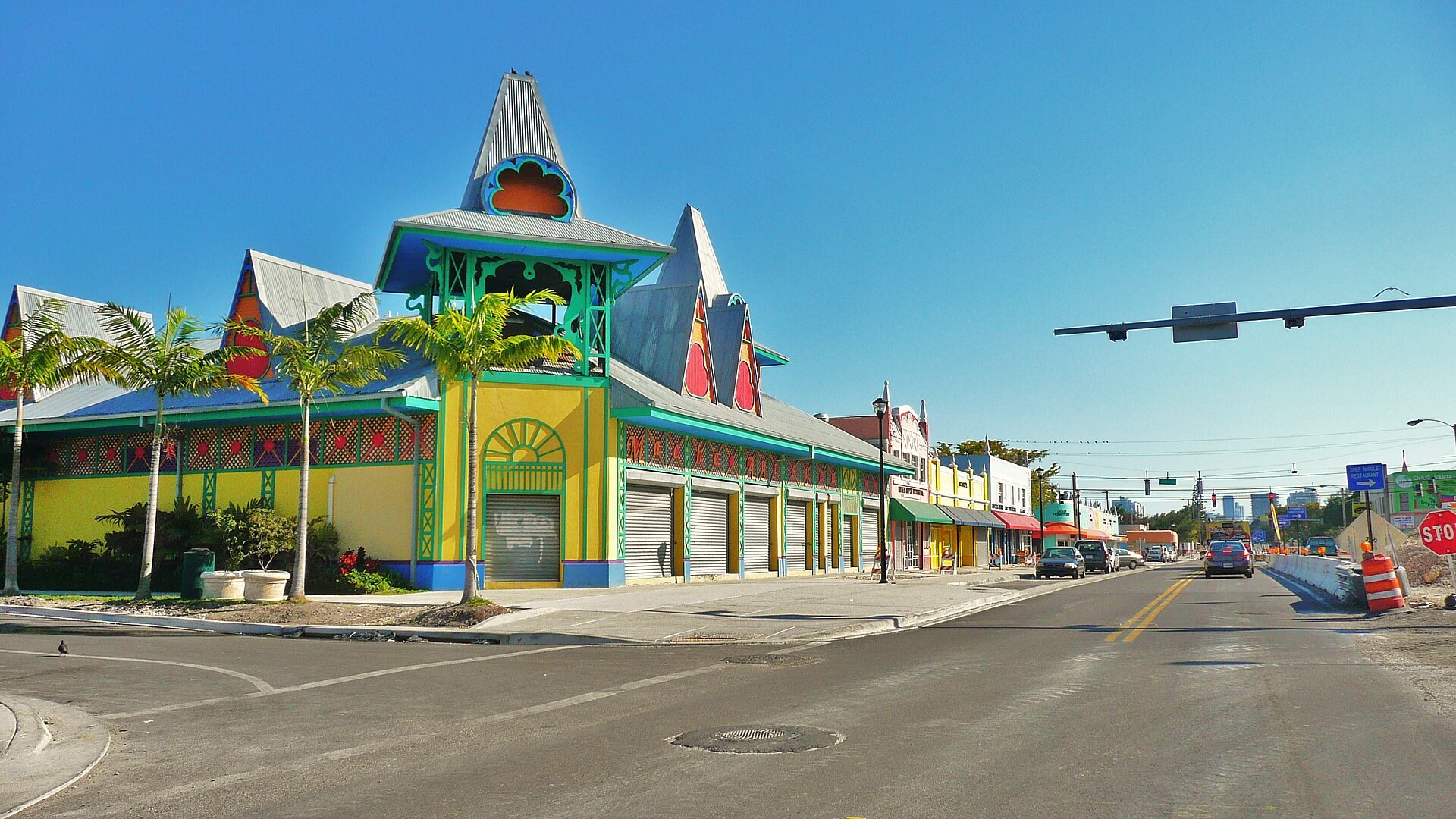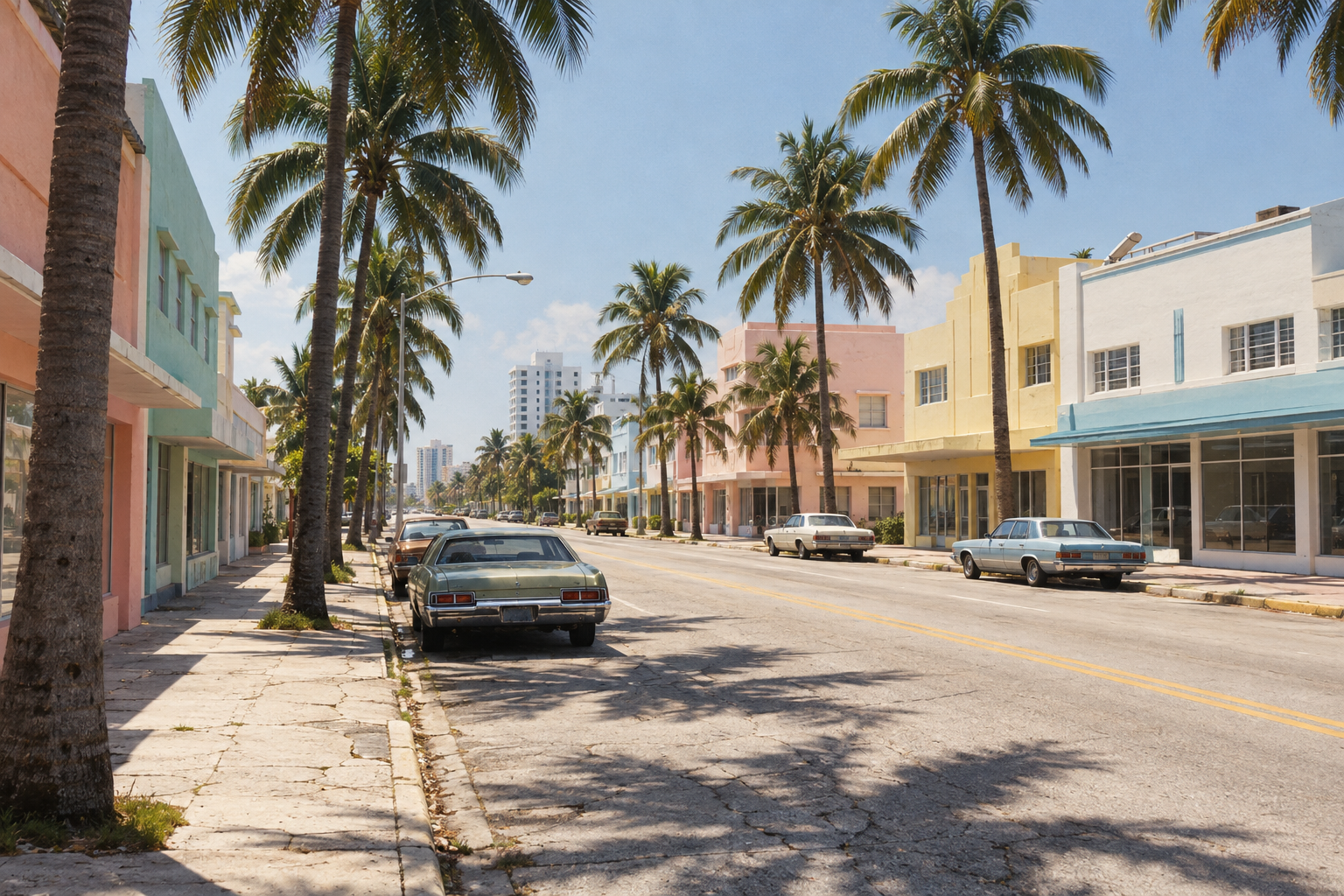
Griselda Blanco was the Colombian trafficker who ran one of South Florida’s biggest cocaine operations in the late 1970s and early 1980s, and whose crews helped make Miami the murder capital of the United States. She was arrested in California in 1985, served time on federal drug and Florida murder charges, was deported in 2004 and was shot dead in Medellín in 2012. Below we cover what she did here, where it happened, how the cases ended and where residents and visitors can still trace that era today.
Who Griselda Blanco was
Blanco was born in Cartagena, Colombia, on February 15, 1943, and grew up in the slums of Medellín. By her own associates’ accounts she was involved in petty crime and prostitution as a child and in kidnapping and forgery by her teens.
Her move into cocaine came through her second husband, Alberto Bravo, with whom she settled in Queens, New York, in the early 1970s. The pair moved product from Colombia into New York at a time when cocaine was still a niche drug and the Colombian supply chain was barely organized.
Federal agents in New York built a case against her in 1975 under what the DEA called Operation Banshee. The indictment covered a conspiracy to import roughly 150 kilos, then the largest cocaine case in United States history, but Blanco fled to Colombia before she could be arrested.
Bravo died in a 1975 shootout in Bogotá, and multiple accounts, including from later cooperating witnesses, say Blanco shot him herself during an argument over missing money. The nickname “Black Widow” dates from this period and from the deaths of her first and third husbands.
By the late 1970s she had relocated to South Florida. That timing matters, because she arrived just as Miami replaced New York as the main entry point for Colombian cocaine.
Why Miami, and why then
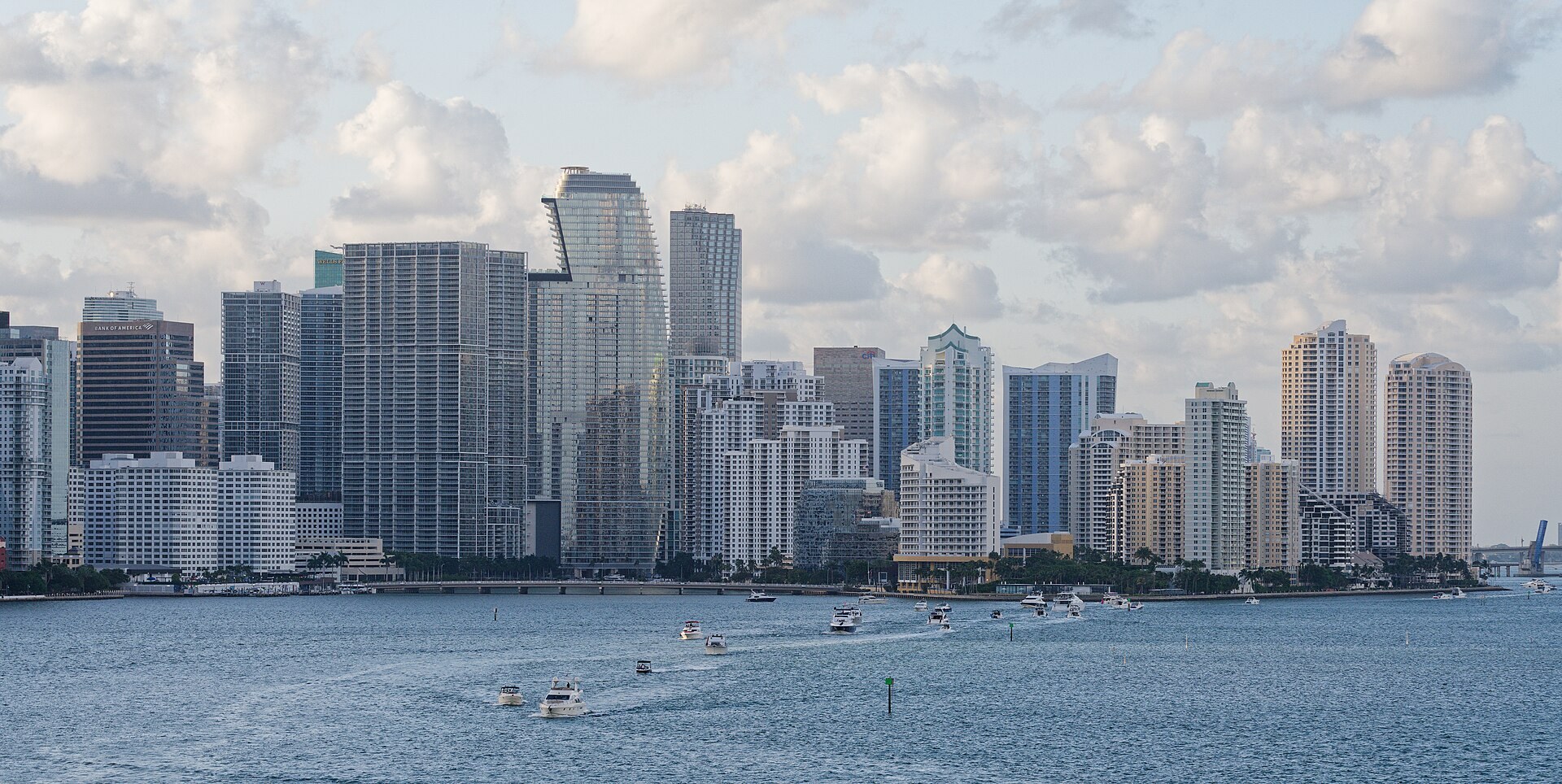
Three things converged on Miami at the end of the 1970s: geography, cash and weak institutions. The Bahamas and the Keys offered hundreds of unguarded landing points, local banks accepted suitcases of bills with few questions, and police departments were understaffed and, in some cases, compromised.
Blanco’s organization is credited by former DEA agents with moving large volumes a month into the city at its peak, generating millions in cash and a steady supply of violence. We would treat the most dramatic figures repeated online with caution, because they come from interviews decades later, but the scale was undisputed in court.
Her signature was not smuggling innovation but brutality. She used motorcycle gunmen, a tactic imported from Medellín, and she targeted debtors, rivals and anyone she suspected of disloyalty, including people with no role in the trade.
The Dadeland Mall shooting
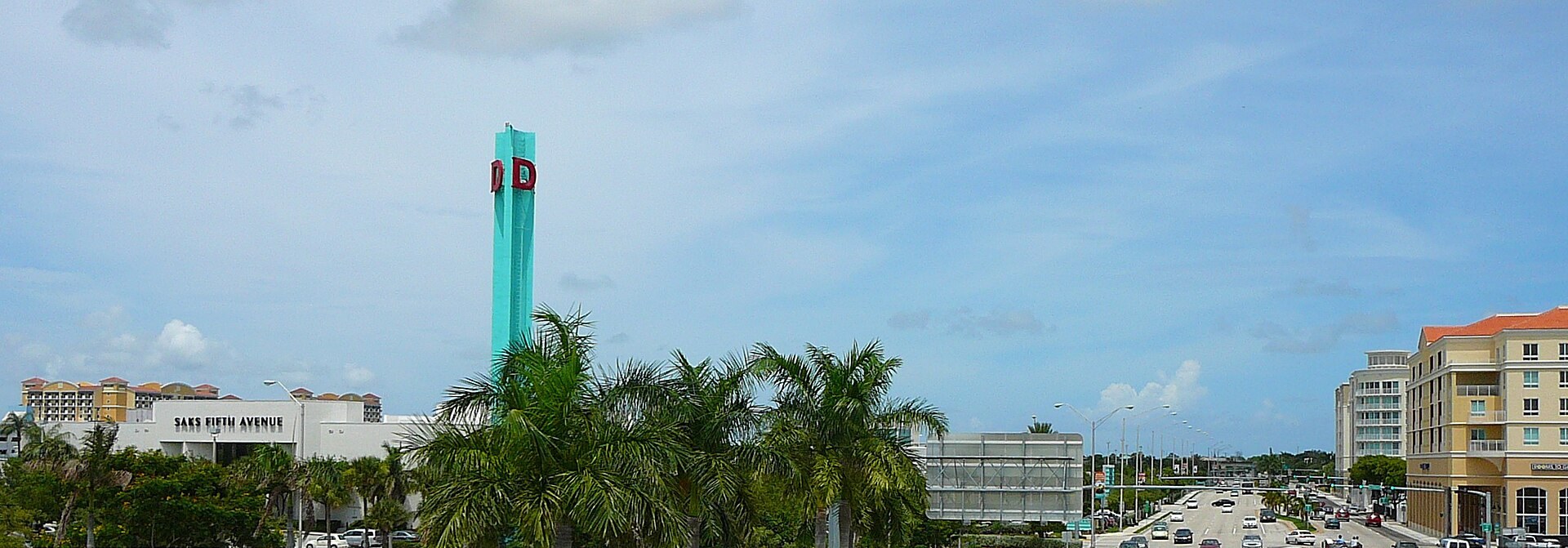
The event that gave the era its name happened on July 11, 1979, at Crown Liquors inside Dadeland Mall in Kendall. Two men, Colombian trafficker Germán Jiménez Panesso and his bodyguard, were shot dead in daylight by gunmen who stepped out of a delivery van painted as a party-supply business.
The van, abandoned in the parking lot, had been fitted with gun ports and a makeshift armored interior. A Miami Herald reporter described the shooters as “cocaine cowboys,” and the phrase stuck to the whole period.
Investigators tied the ambush to Blanco’s network, although she was never charged for it. The shooting pushed the Colombian drug wars onto the front page and onto the desks of federal officials who, until then, had treated Miami as a local problem.
Dadeland Mall remains a working shopping center at 7535 N Kendall Drive, and there is no marker or memorial inside. Anyone visiting for history reasons should confirm current mall hours on the Simon property page before making the trip.
Criminal activities in South Florida
Blanco’s Miami operation ran on three activities: wholesale cocaine distribution, cash movement and contract killing. The first two she shared with every other trafficker in the city. The third set her apart.
Her chief enforcer was Jorge “Rivi” Ayala, who later admitted to roughly 35 killings on her orders and became the state’s key witness against her. His confessions, recorded by Miami-Dade homicide detectives in the mid-1980s, remain the main source for what happened inside the organization.
The murders prosecutors attached to her by name included:
- Alfredo and Grizel Lorenzo, a couple killed in their South Miami home in 1982 over a disputed drug debt.
- Johnny Castro, the two-year-old son of former bodyguard Jesús “Chucho” Castro, shot in a 1982 drive-by in which Ayala said the father was the intended target.
- Marta Saldarriaga Ochoa, a relative of the Medellín cartel’s Ochoa family, killed in 1983 in a dispute over money.
The Castro killing is the one that defined her reputation in Miami. Ayala testified that Blanco was pleased with the result even though the child, not the father, had died.
She also had a taste for theatrical cruelty, and the stories that circulate about parties, drug use and weapons are drawn largely from Ayala and from Charles Cosby, a California dealer who had a relationship with her in prison. Their accounts are vivid, self-serving and impossible to verify in full.
Allies and enemies
Blanco’s relationships with the larger Colombian cartels were tense. She predated the Medellín Cartel’s consolidation under Pablo Escobar and the Ochoa brothers, and she never fully folded into their structure, which left her exposed once their money and firepower dwarfed hers.
Her enemies accumulated faster than her allies. The Panesso faction, the Castro family, former employees who skimmed money and rival Cuban distributors all ended up on her list, and the list ran both ways.
Her third husband, Darío Sepúlveda, fled to Colombia in 1983 with their youngest son, Michael Corleone Blanco. Sepúlveda was shot dead in Medellín the same year, and Ayala later said Blanco ordered the killing to get the boy back.
By 1984 the pressure from both the cartels and the federal South Florida Task Force, launched in 1982 under Vice President George H.W. Bush, made Miami untenable. She moved to California.
Arrest, trials and legal proceedings
DEA agents, including Bob Palombo, who had chased her since the 1975 New York case, arrested her on February 17, 1985, in Irvine, California. She was living quietly in Orange County under a different name.
The federal case went first. She was tried in New York on the Operation Banshee conspiracy, convicted and sentenced in 1985 to 15 years in federal prison, which was the maximum available under the law in force at the time of the 1975 offenses.
Florida then charged her with the three Miami murders. The state case rested almost entirely on Ayala, and it fell apart in 1998 when it emerged he had been having phone sex with secretaries in the Miami-Dade State Attorney’s Office, a scandal that reached State Attorney Katherine Fernández Rundle’s office and made him unusable as a witness.
Rather than risk acquittal, prosecutors offered a plea. Blanco pleaded guilty to three counts of second-degree murder and received three concurrent 20-year sentences, with credit for time served.
She was released in 2004 and deported to Colombia that June. She was 61, in poor health, and had served about 19 years in American custody between the federal and state cases.
Ayala received a life sentence for his own crimes and has remained in Florida state custody since, according to the last court records we reviewed. Anyone checking his current status should use the Florida Department of Corrections inmate search rather than news summaries.
Death in Medellín
On September 3, 2012, Blanco was shot twice by two gunmen who pulled up on a motorcycle as she left a butcher shop in the Belén district of Medellín. She was 69.
The killing was never solved, and Colombian police described it at the time as a settling of old scores. The method, motorcycle assassins firing at close range, was the one her own crews had used in Miami 30 years earlier.
Key events and timeline
| Date | Event | Place |
|---|---|---|
| Feb 15, 1943 | Born | Cartagena, Colombia |
| Early 1970s | Cocaine business with Alberto Bravo | Queens, New York |
| 1975 | Federal indictment (Operation Banshee); flees | New York |
| 1975 | Bravo killed in shootout | Bogotá |
| Late 1970s | Relocates operation | Miami |
| July 11, 1979 | Dadeland Mall shooting | Kendall, Miami-Dade |
| 1982 | Lorenzo and Castro killings | Miami-Dade |
| Nov 23, 1981 | Time cover “South Florida: Paradise Lost?” | National |
| 1983 | Husband Darío Sepúlveda killed | Medellín |
| Feb 17, 1985 | Arrested by DEA | Irvine, California |
| 1985 | Convicted on federal drug conspiracy, 15 years | New York |
| 1998 | Pleads guilty to three murders, 20 years concurrent | Miami-Dade |
| June 2004 | Released and deported | Colombia |
| Sept 3, 2012 | Shot dead outside butcher shop | Medellín |
What the cocaine cowboy era did to Miami
Blanco was one actor in a much larger story, and the numbers for the city as a whole explain why she still gets so much attention. Dade County recorded 621 homicides in 1981, a figure so far above capacity that the medical examiner’s office rented a refrigerated trailer from Burger King to hold bodies.
The same year, the Mariel boatlift and the McDuffie riots had already strained police, housing and public confidence. Time’s “Paradise Lost?” cover that November crystallized the national view of South Florida as lawless.
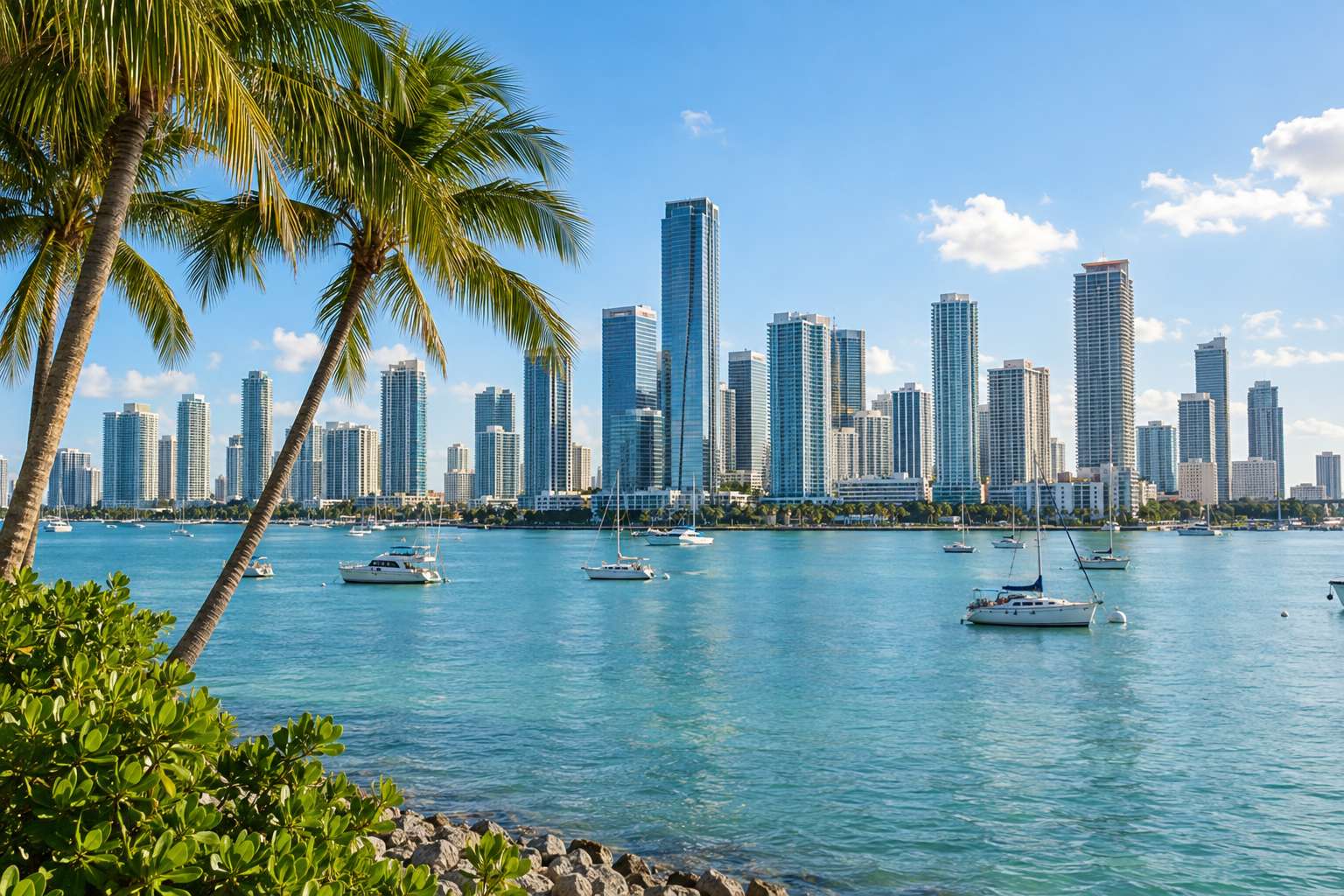
Money from the trade reshaped the skyline. Brickell’s first wave of office towers and condo buildings went up on cash that banks were accepting faster than regulators could track, and the Miami branch of the Federal Reserve was reporting a cash surplus that dwarfed every other district.
The crackdown that followed produced the modern enforcement landscape: the South Florida Task Force in 1982, the expansion of the Coast Guard and DEA presence, federal money-laundering rules and, by the end of the decade, a shift in trafficking routes to Mexico. Miami Vice, which premiered in 1984, turned all of it into style.
For residents, the practical legacy is institutional. The Miami-Dade medical examiner, the county’s homicide units and the regional federal courthouse all grew into their current size during those years, and the records from that period remain public.
Griselda Blanco on screen
Billy Corben’s 2006 documentary Cocaine Cowboys, produced by Miami-based Rakontur, is the reason most people outside Florida know her name. It built its account of Blanco around Ayala’s prison interviews and the recollections of smugglers Jon Roberts and Mickey Munday.
A 2008 follow-up, Cocaine Cowboys 2: Hustlin’ with the Godmother, focused on her relationship with Charles Cosby and her final years in prison. Lifetime’s Cocaine Godmother in 2018 cast Catherine Zeta-Jones in a heavily dramatized version.
Netflix’s six-episode series Griselda, released in January 2024 with Sofía Vergara in the title role, is the version driving most current search interest. It was produced by the team behind Narcos but is a standalone show, and it was shot largely in Los Angeles rather than Miami.
Michael Corleone Blanco sued Vergara and Netflix in Florida court in 2024, arguing the series used his family’s story without permission. We recommend checking the Miami-Dade Clerk of Courts online docket for the current status of that case rather than relying on entertainment coverage.
Where to trace the era in South Florida
There is no Griselda Blanco museum, and no local institution markets her story, but the places and records are accessible to anyone who knows where to look.
Plan your visit
- Start at HistoryMiami Museum, 101 W Flagler Street, for context on the 1980s.
- Walk to the Miami-Dade Public Library main branch next door for the Florida Collection.
- Take Metrorail to Dadeland North or Dadeland South and see the mall site in Kendall.
- Search the Miami-Dade Clerk of Courts online docket for the 1990s state case.
- Watch Cocaine Cowboys for Rivi Ayala’s own account before or after the trip.
What you need
- Metrorail fare (EASY Card or contactless payment)
- Photo ID if requesting archive materials in person
- Case names or defendant names for clerk searches
- A library card for Miami-Dade Public Library database access
HistoryMiami Museum sits across from Government Center station and holds the county’s largest photographic archive, including newspaper and police photography from the period. Hours and admission change, so confirm them on the museum’s website before going.
The Miami-Dade Public Library’s main branch, in the same plaza, keeps Miami Herald microfilm and the Florida Collection, which is where the original Dadeland coverage and the 1980s crime reporting live. Ask at the desk; staff pull microfilm reels on request.
Dadeland Mall is a 10-minute walk from Dadeland North station. The old Crown Liquors space has been rebuilt several times and nothing marks it, so treat the visit as a drive-by rather than a destination.
For court records, Blanco’s state case was prosecuted in Miami-Dade, and the clerk’s online criminal search covers filings from that era. Broward had its own smuggling prosecutions through the same years, and the “broward county clerk of courts” handles those records separately.
Good to know
Several paid “Cocaine Cowboys” tours operate in Miami with no connection to the filmmakers or any archive. Check who runs any tour, what it actually visits and its cancellation terms before paying. Nothing from Blanco’s era is marked on the ground.
Local tip
Government Center station puts the museum, the main library and the Miami-Dade courthouse complex within one block of each other. Park once at the county garage on NW 1st Street or skip the car entirely, because weekday downtown lots are expensive and often full by mid-morning.
When to get help
Ask a reference librarian in the Florida Collection if you want original 1979 to 1985 newspaper coverage; they know which reels and indexes to pull. For archived case files older than the online docket, call the Miami-Dade Clerk’s criminal records division and ask about retrieval fees and turnaround before visiting.
Common questions about the record
Much of what circulates online about Blanco is unverifiable. The table below separates what the court record and credible reporting support from what rests on a single interview.
| Claim | Status | Source |
|---|---|---|
| Ordered the 1979 Dadeland shooting | Attributed, never charged | Police investigators, Cocaine Cowboys |
| Killed Alberto Bravo herself | Widely reported, no conviction | Associates, DEA agents |
| Pleaded guilty to three murders | Documented | Miami-Dade court record, 1998 |
| Plotted to kidnap John F. Kennedy Jr. | Alleged by Ayala only | Ayala statements |
| Invented the motorcycle hit | Overstated | Tactic predated her in Medellín |
| Ran the largest Miami operation | Contested | DEA estimates vary widely |
When reading older coverage, we suggest checking whether a figure comes from a court filing, a DEA statement or a retrospective interview. The three categories carry very different weight.
FAQ
What happened to Griselda Blanco’s sons?
Blanco had four sons. The three from her first marriage, Dixon, Uber and Osvaldo, served time in the United States on drug charges, were deported to Colombia and were each murdered there in the years after their releases. The youngest, Michael Corleone Blanco, born in 1978, lives in the Miami area, appeared on VH1’s Cartel Crew and sued Netflix and Sofía Vergara in 2024 over the Griselda series.
Does Griselda Blanco appear in Narcos?
No. Narcos and Narcos: Mexico follow the Medellín, Cali and Mexican cartels and do not include her as a character. The same production team, led by Eric Newman, made the separate 2024 Netflix series Griselda, which is why the two are often confused.
Where is Blanco the rapper from?
The search usually refers to Blanco, a British drill rapper from Croydon in south London who came up with the group Harlem Spartans. American searchers sometimes mean Blanco Brown, the Atlanta singer behind “The Git Up.” Neither has any connection to Griselda Blanco.
Who is Blanco?
Outside of music, “Blanco” in a Miami context almost always means Griselda Blanco or her son Michael Corleone Blanco. Since the Netflix series, the name also gets attached to Sofía Vergara’s portrayal, which compresses several years of events and changes names of some real people.
Was Griselda Blanco ever charged for the Dadeland Mall shooting?
No. Investigators linked the 1979 ambush to her organization, but no one was ever convicted for it. Her Florida convictions covered three other killings from 1982 and 1983, resolved by her 1998 plea.
Can I see the original court files from her Miami case?
Yes, in part. The Miami-Dade Clerk of Courts online docket lists the state case, and older physical files can be requested through the clerk’s criminal records division, which charges per-page copy fees. Federal records from the 1985 New York case are held in the federal system, not locally.