The Seminole Indians are a Native American people who formed in Florida in the 1700s and today make up two federally recognized tribes in our region: the Seminole Tribe of Florida and the Miccosukee Tribe of Indians of Florida. They call themselves the Unconquered People because they never signed a peace treaty with the United States, and their descendants still live on reservations in Broward, Hendry, Glades and Collier counties.
Where the Seminole came from
The Seminole were not a single ancient tribe. They came together in the 1700s from Creek (Muscogee) towns in Georgia and Alabama, joined by survivors of Florida’s earlier peoples and by Africans who escaped slavery and became known as Black Seminoles.
The name comes from the Spanish word cimarrón, meaning wild or runaway, which Creek speakers turned into something close to simanó-li. Two languages survived the migration and are still spoken: Mikasuki, which most Seminole and all Miccosukee people use, and Creek, spoken mainly on the Brighton Reservation near Lake Okeechobee.
Clan membership passes through the mother. The Panther, Bear, Deer, Wind, Bigtown, Bird, Snake and Otter clans still organize family life, and a person cannot marry within their own clan.
Forced removal and three wars
Between 1817 and 1858 the United States fought three Seminole Wars to push the tribe out of Florida and onto Indian Territory in what is now Oklahoma. The Second Seminole War, from 1835 to 1842, became the longest and costliest Indian war in American history.
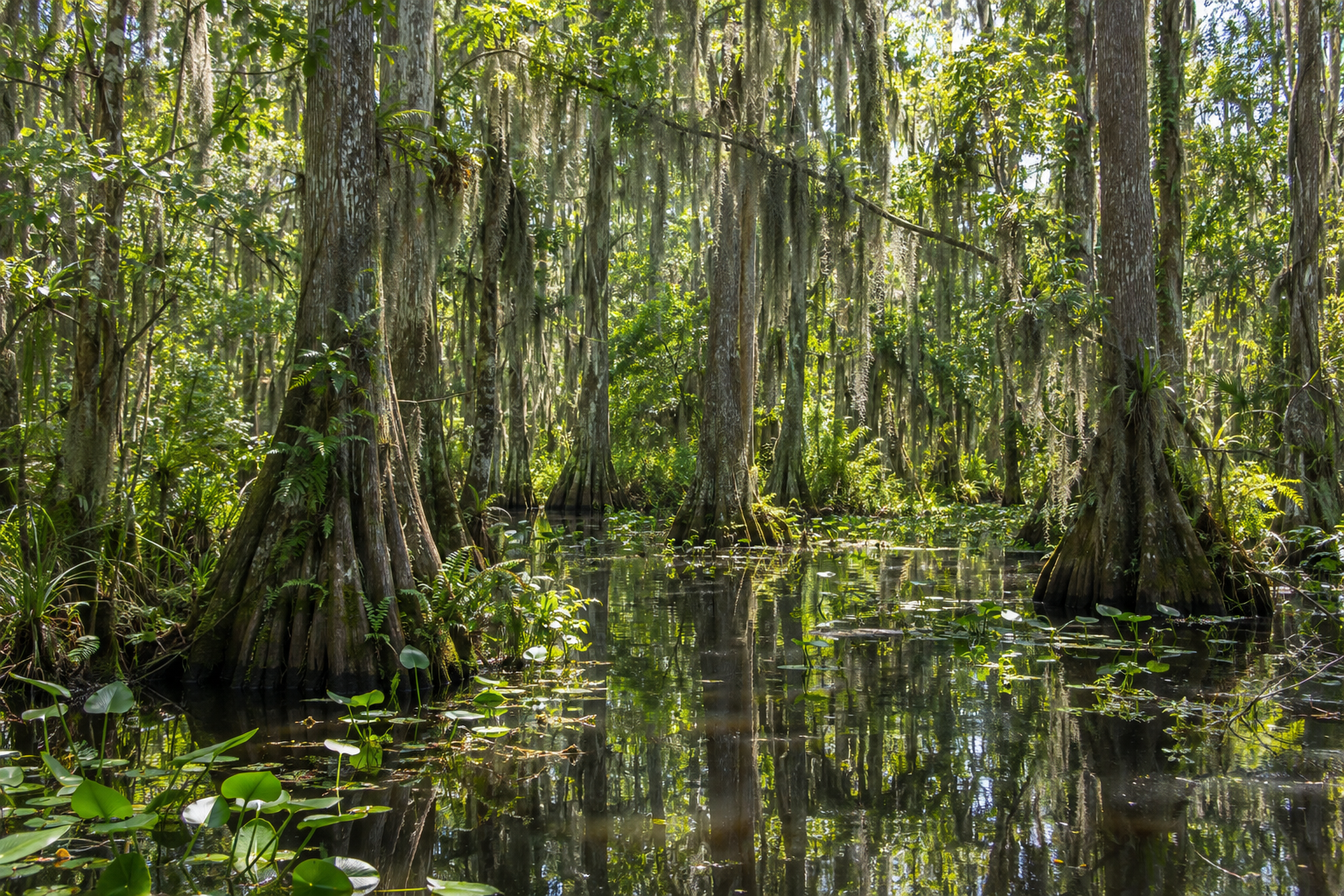
Osceola is the name most of us know. Born Billy Powell to a Creek mother, he led resistance until U.S. troops seized him in 1837 under a flag of truce, and he died at Fort Moultrie, South Carolina, in early 1838. Less famous but just as important was Abiaka, called Sam Jones by the army, a medicine man who refused removal and kept his people in the Big Cypress swamp.
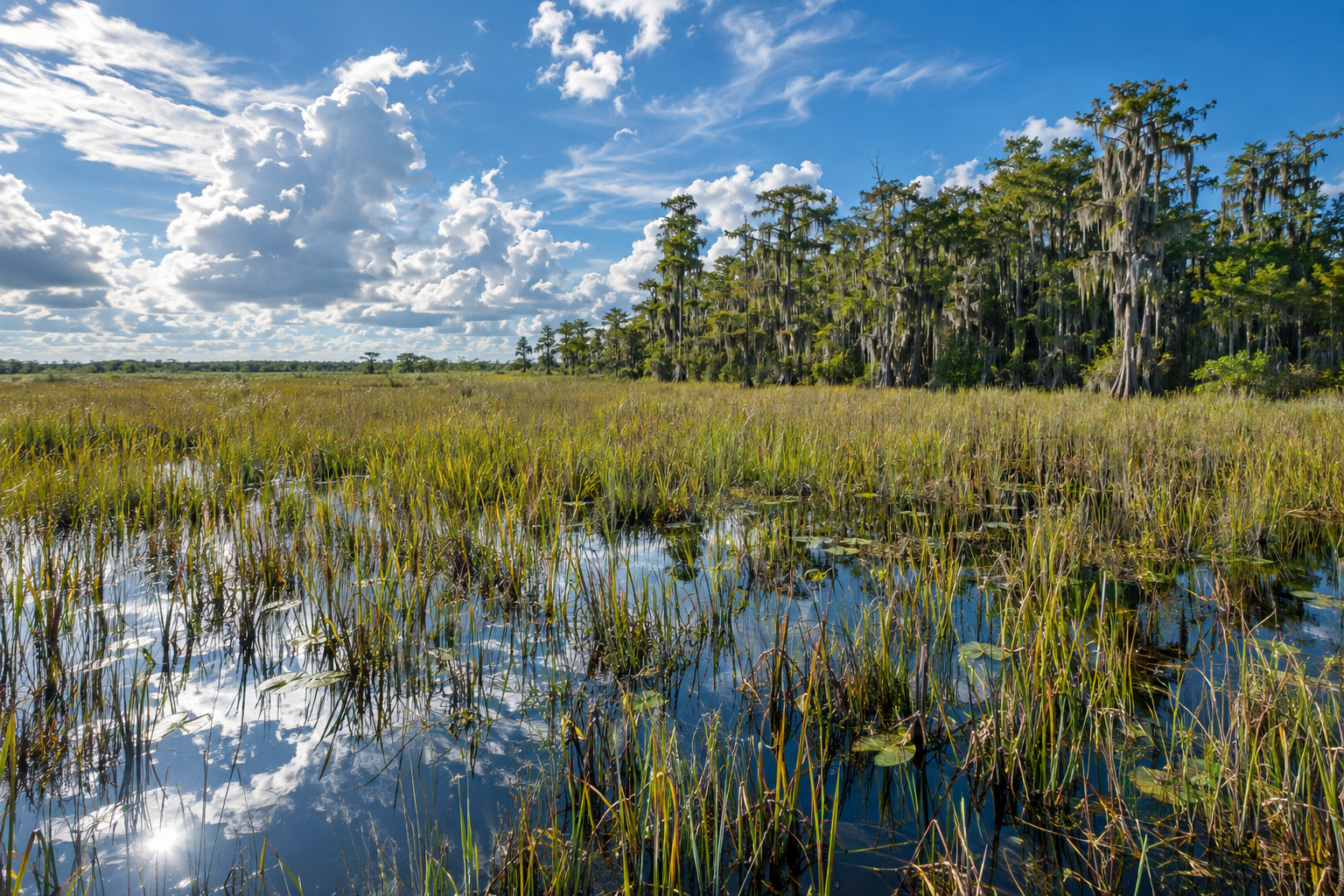
Most Seminoles were shipped west and became the Seminole Nation of Oklahoma. A few hundred stayed hidden in the Everglades and Big Cypress. Every member of the two Florida tribes today descends from that small group.
Surviving the early 1900s
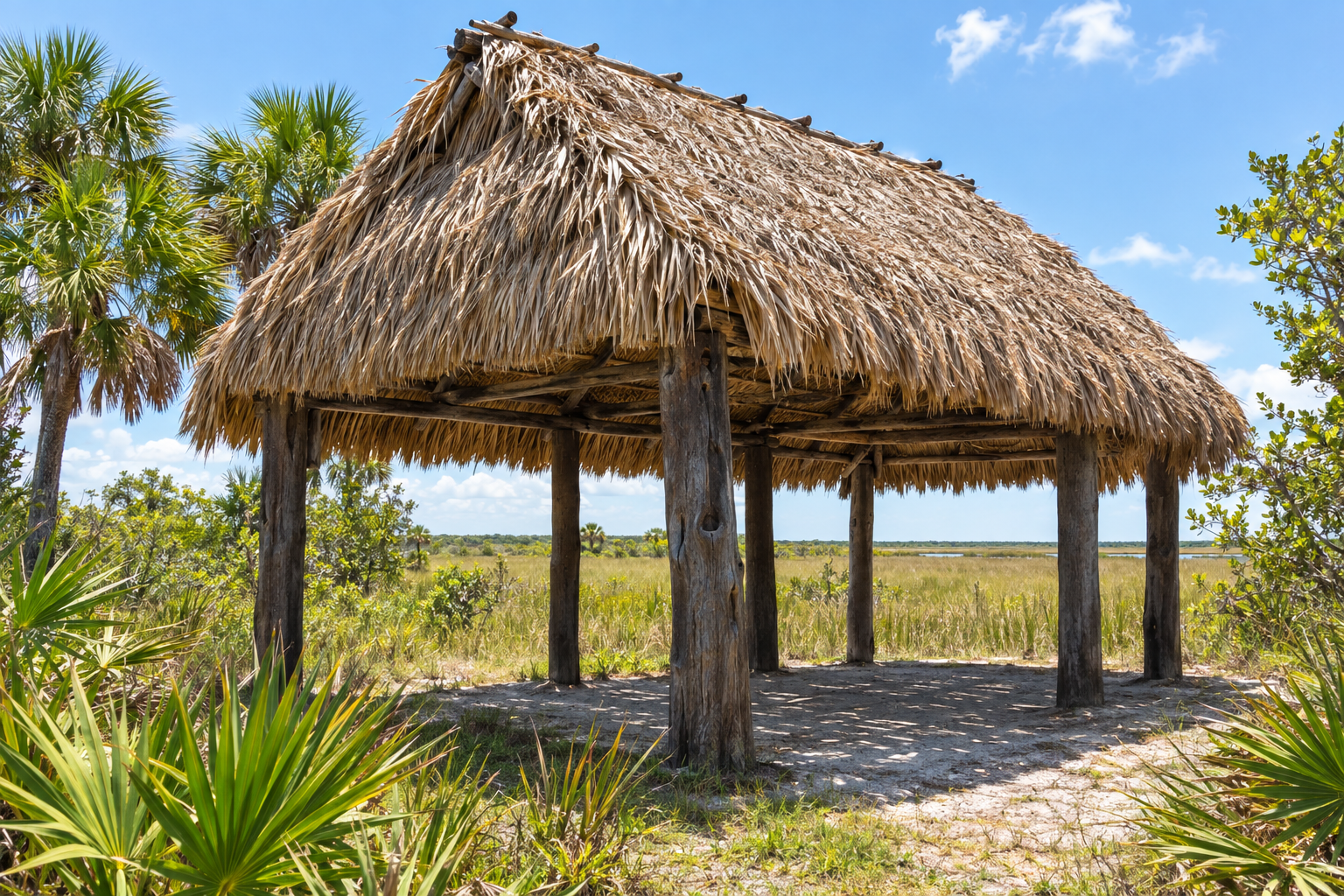
With no reservation and no legal protection, Seminole families lived in camps of chickees, open-sided houses with cypress log frames and palmetto-thatch roofs that handle rain and heat better than most things we build now. They hunted, traded hides and plumes, and sold goods to settlers.
When the Tamiami Trail opened across the Everglades in 1928, drainage shrank the hunting grounds. Families adapted by moving to tourist camps along the Miami River, where they sold patchwork clothing and dolls and wrestled alligators for paying visitors. The bright, geometric patchwork we associate with Seminole dress took shape in this period, stitched on hand-crank sewing machines.
Reservations and federal recognition
The federal government set aside land at Dania in 1926, later renamed the Hollywood Reservation. Big Cypress and Brighton followed in the 1930s, and cattle herding became the economic base at both.
A split over how to deal with Washington shaped the two tribes we have today. The Seminole Tribe of Florida organized under its own constitution and won federal recognition in 1957, with headquarters in Hollywood. Families who wanted to keep a more traditional life along the Tamiami Trail formed the Miccosukee Tribe, recognized separately in 1962.
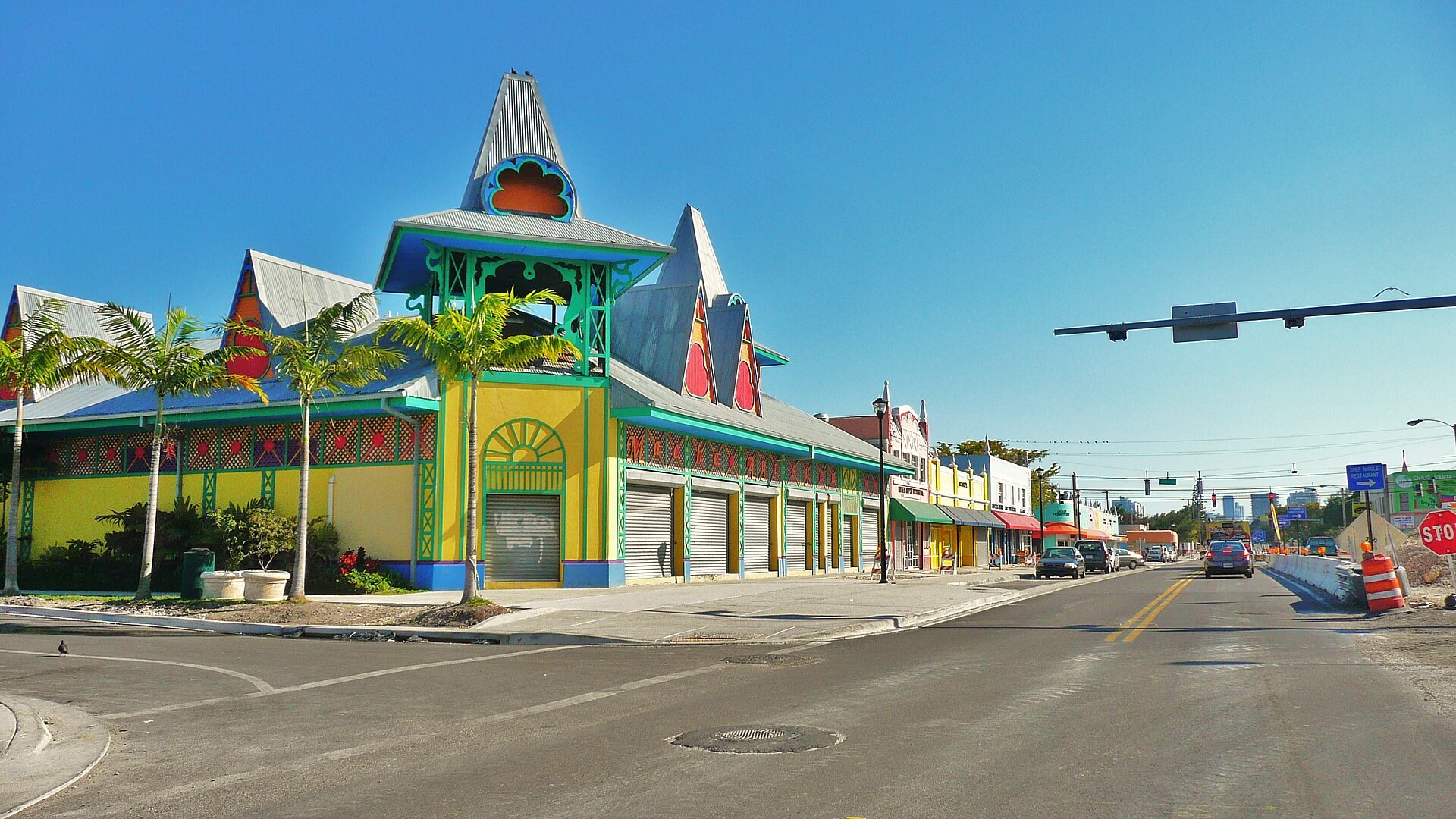
The Seminole Tribe now holds six reservations: Hollywood, Big Cypress, Brighton, Immokalee, Fort Pierce and Tampa. The Hollywood land sits along State Road 7 (US 441) straddling Stirling Road, with the commercial strip and Hard Rock to the north, which is why Seminole businesses are so visible in that part of Broward.
From bingo hall to Hard Rock
In 1979 the tribe opened a high-stakes bingo hall in Hollywood, the first of its kind run by a tribe anywhere in the country. The tribe sued to stop the Broward County sheriff from shutting it down, won in federal court, and that ruling helped set the stage for the Indian Gaming Regulatory Act of 1988.
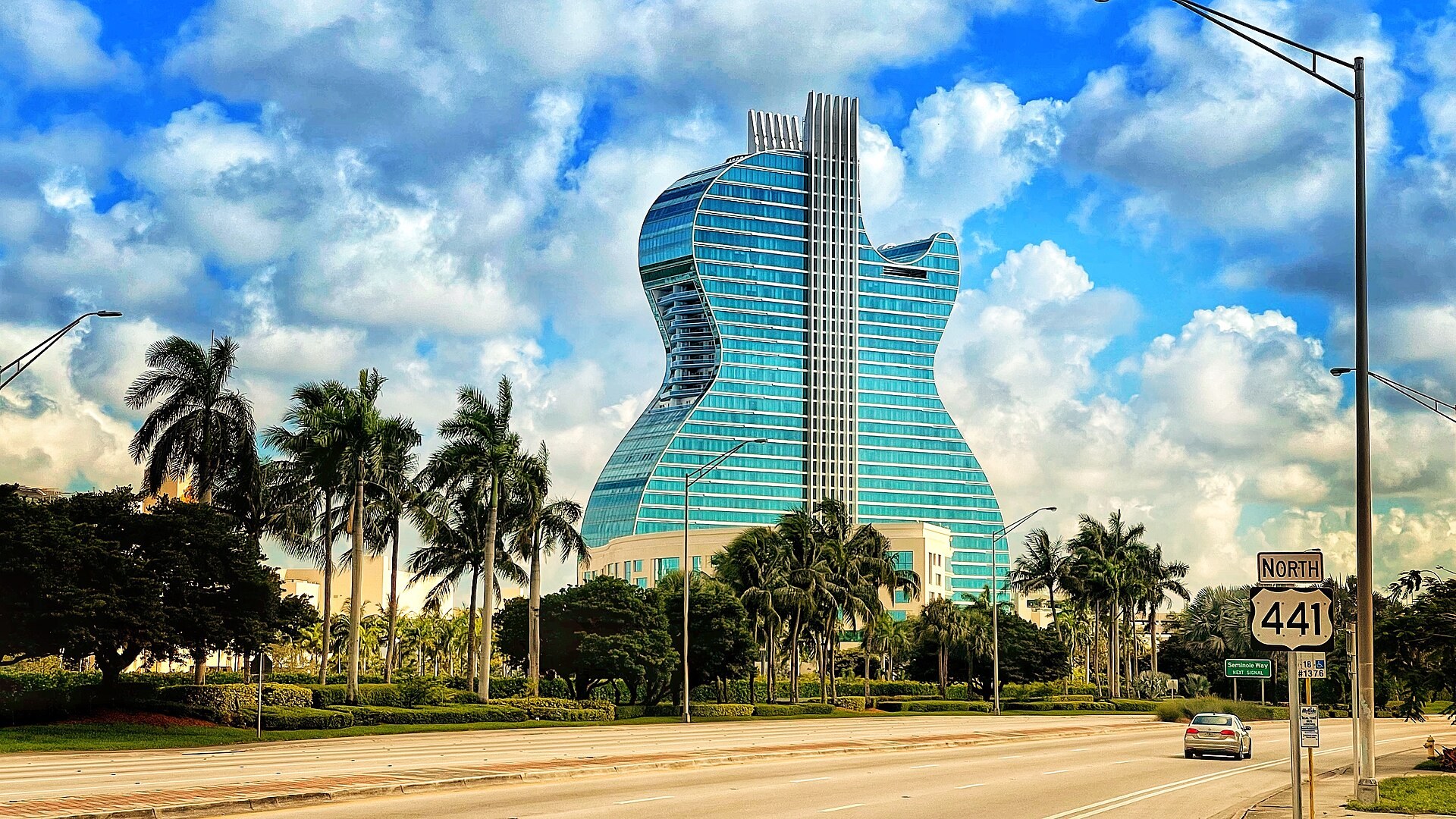
Gaming revenue changed everything. In 2006 the Seminole Tribe agreed to buy Hard Rock International outright, closing the deal in 2007 and making a Florida tribe the owner of a global cafe, hotel and casino brand. The guitar-shaped hotel that opened in Hollywood in 2019 is the most obvious result, and Seminole Casino Coconut Creek is the other big local property.
That money funds tribal schools, health clinics, housing, elder care and language programs. It also built the Ah-Tah-Thi-Ki Museum on the Big Cypress Reservation, which is where we send anyone who wants to understand the tribe rather than just hear about it.
Visiting Ah-Tah-Thi-Ki Museum
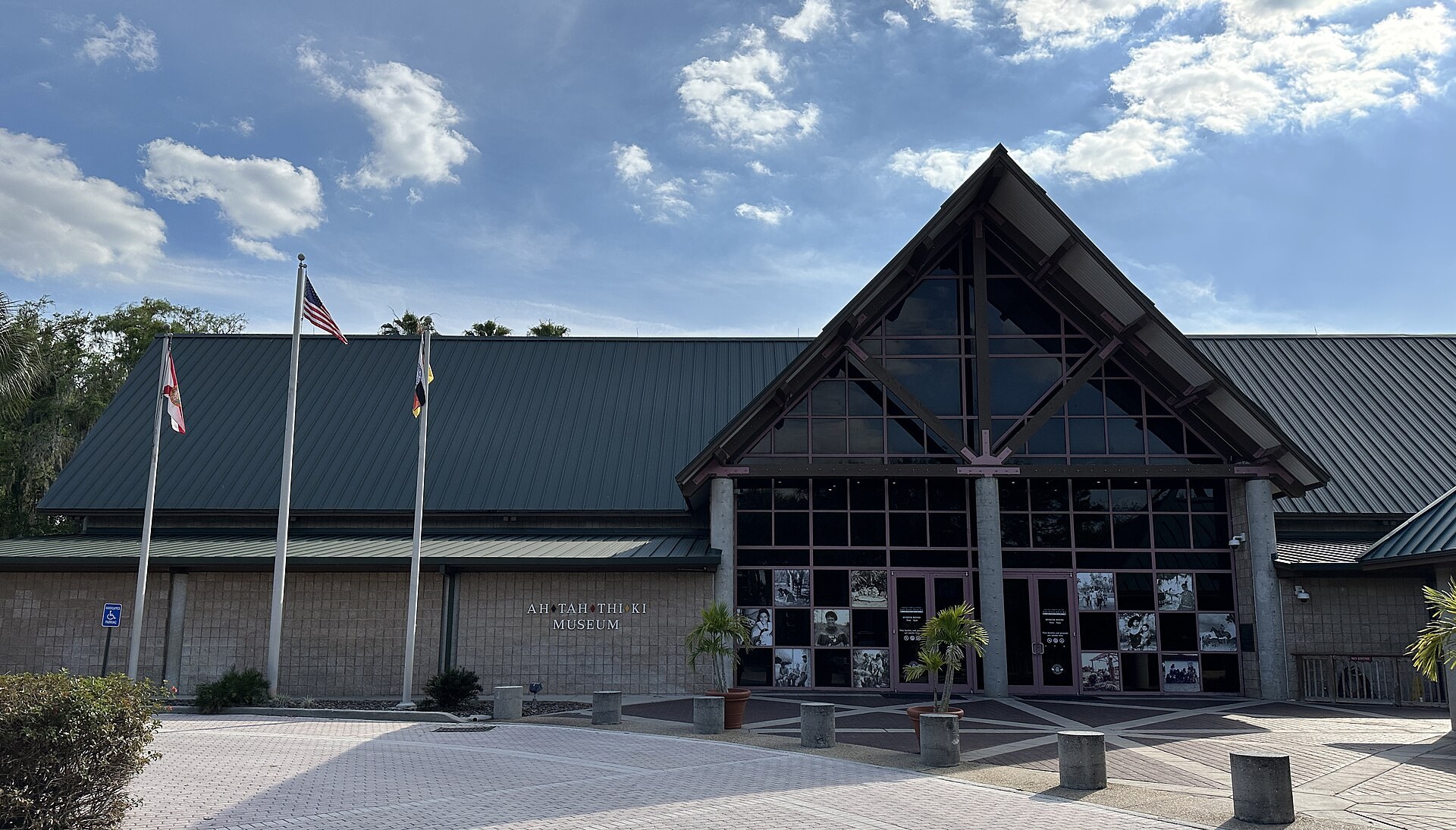
The name means “a place to learn, a place to remember” in Mikasuki. The museum sits at 34725 West Boundary Road in Clewiston, about an hour west of Fort Lauderdale via I-75 to Snake Road, and in 2009 it became the first tribally owned museum accredited by the American Alliance of Museums.
Plan your visit
- Check hours and admission on the museum’s website.
- Fill the tank in Weston or Naples; services are thin on Snake Road.
- Start with the orientation film in the main gallery.
- Walk the mile-long cypress boardwalk to the living village.
- Watch for craft demonstrations at the village chickees.
- Pair the trip with Billie Swamp Safari on the same reservation.
What you need
- Closed-toe shoes for the boardwalk
- Bug spray, especially May through October
- Water and snacks
- Cash or card for admission and the gift shop
Good to know
Mobile coverage drops out on Snake Road and across much of the reservation. Download directions before you leave I-75, and keep an eye on the clock, because the museum closes mid-afternoon on some days.
Local tip
Skip the museum trip and still see the culture up close at the Seminole Tribal Fair and Pow Wow, held at the Hollywood Hard Rock grounds, typically in February. Dance competitions, alligator wrestling and patchwork sales happen in one weekend. Confirm dates on the tribe’s official site.
Seminole or Miccosukee?
Visitors in Miami-Dade often mix the two up. The Miccosukee Tribe runs the casino and resort at Krome Avenue and the Tamiami Trail plus the Indian Village along US 41 in the Everglades. The Seminole Tribe is based in Hollywood and operates the Hard Rock properties. Both share clans, language and history, and both guard the Green Corn Dance as a private religious ceremony, so do not expect to be invited.
When to get help
For school projects, genealogy questions or permission to photograph on tribal land, contact the Ah-Tah-Thi-Ki Museum’s collections staff or the Seminole Tribe’s communications office through the official tribal website. Neither reservation is a public park, so ask before you wander.
FAQ
How many Seminole Indians live in Florida today?
The Seminole Tribe of Florida reports roughly 4,000 enrolled members, and the Miccosukee Tribe around 600. The Seminole Nation of Oklahoma, descended from those removed in the 1800s, is far larger.
Why do the Seminoles call themselves unconquered?
Because the Florida Seminoles never surrendered or signed a treaty ending the Seminole Wars. The U.S. Army simply stopped fighting in 1858 and left the remaining families in the Everglades.
Does Florida State University have the tribe’s permission to use the Seminole name?
Yes. The Seminole Tribe of Florida’s council formally supports FSU’s use of the name and the Osceola and Renegade tradition, which is why the NCAA exempted the school from its mascot policy.
Can we visit a Seminole reservation?
The Hollywood Reservation’s commercial strip along US 441 and the Big Cypress museum and swamp safari are open to the public. Residential areas are private, and tribal police enforce that.