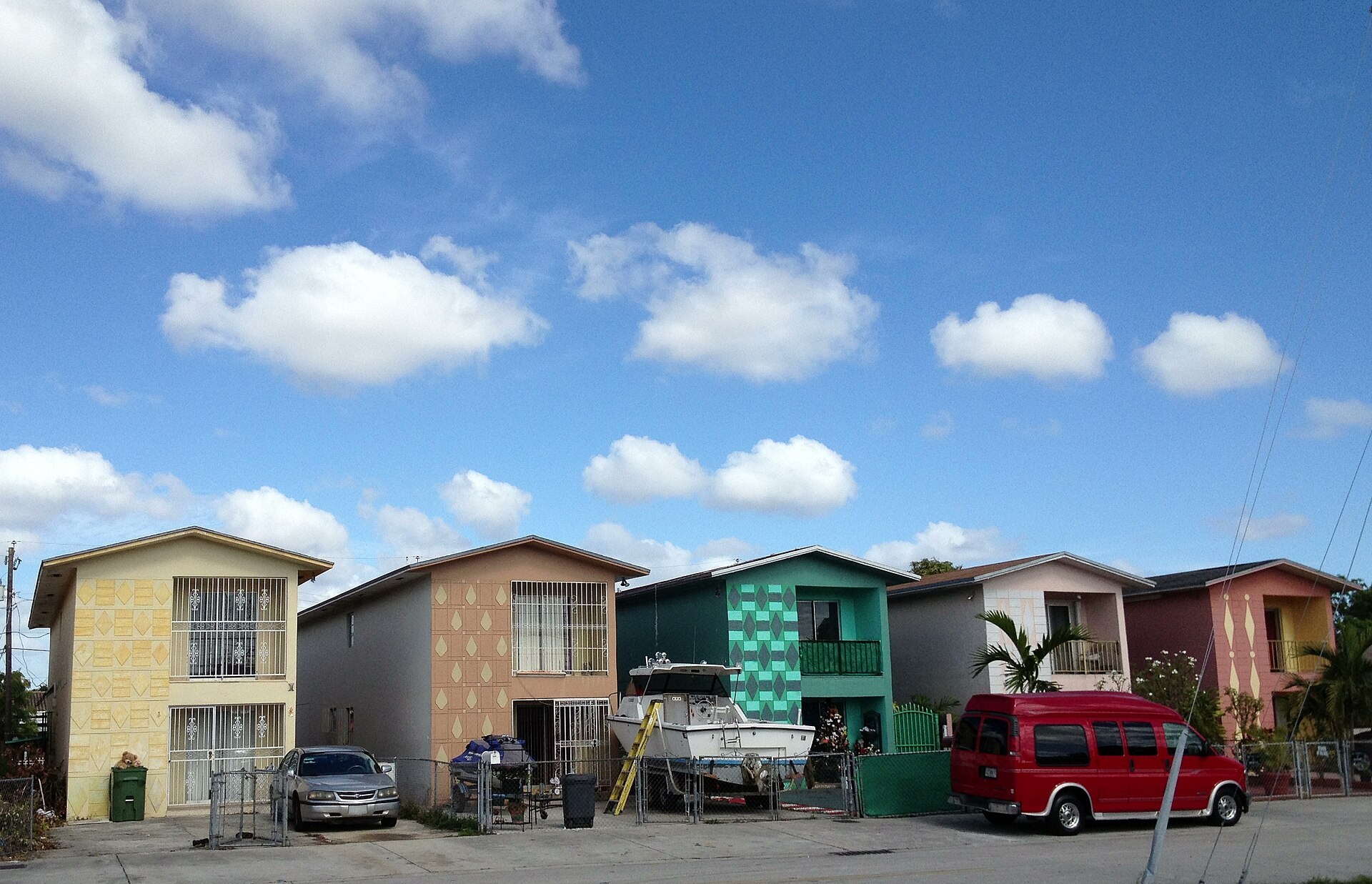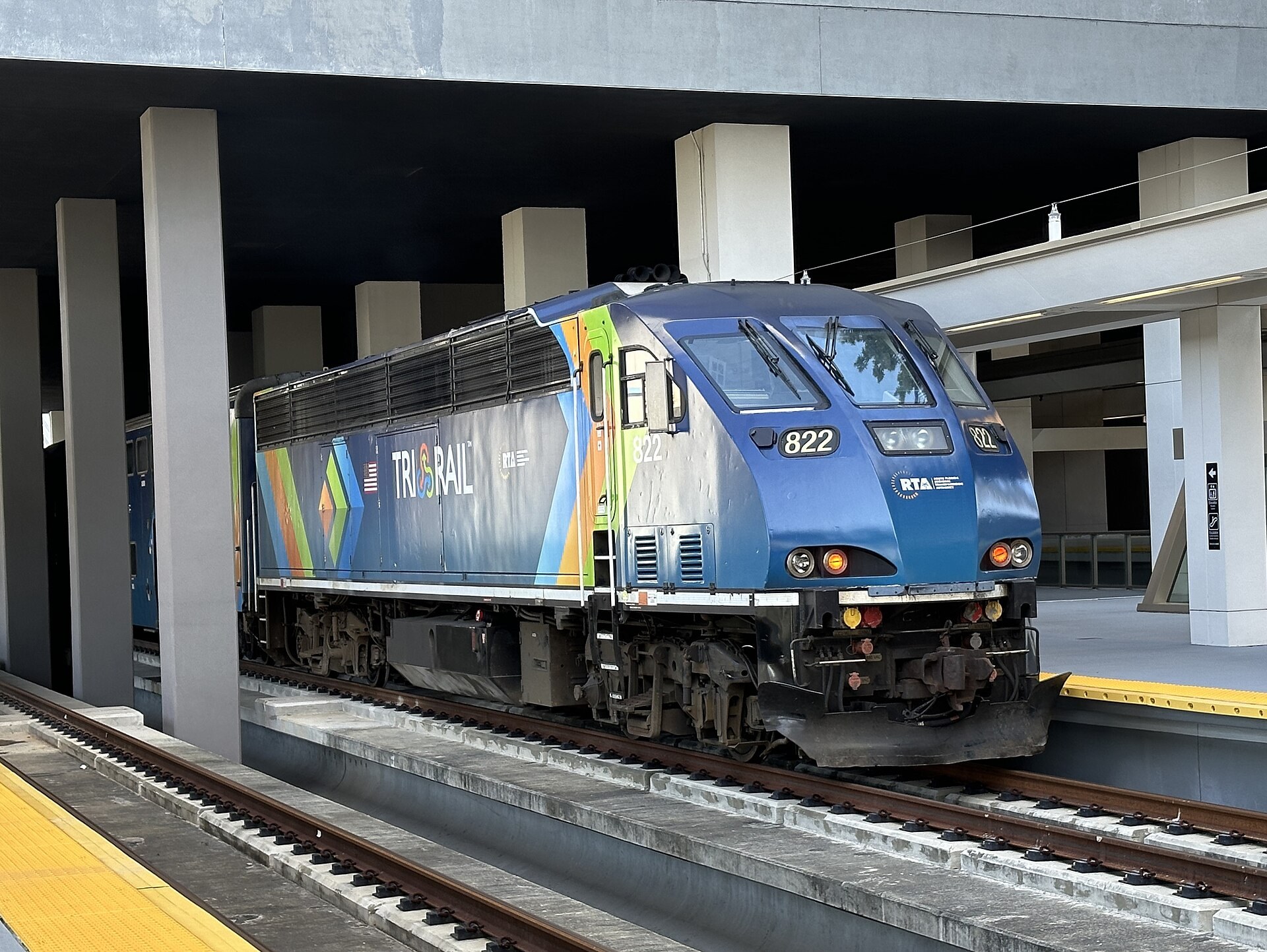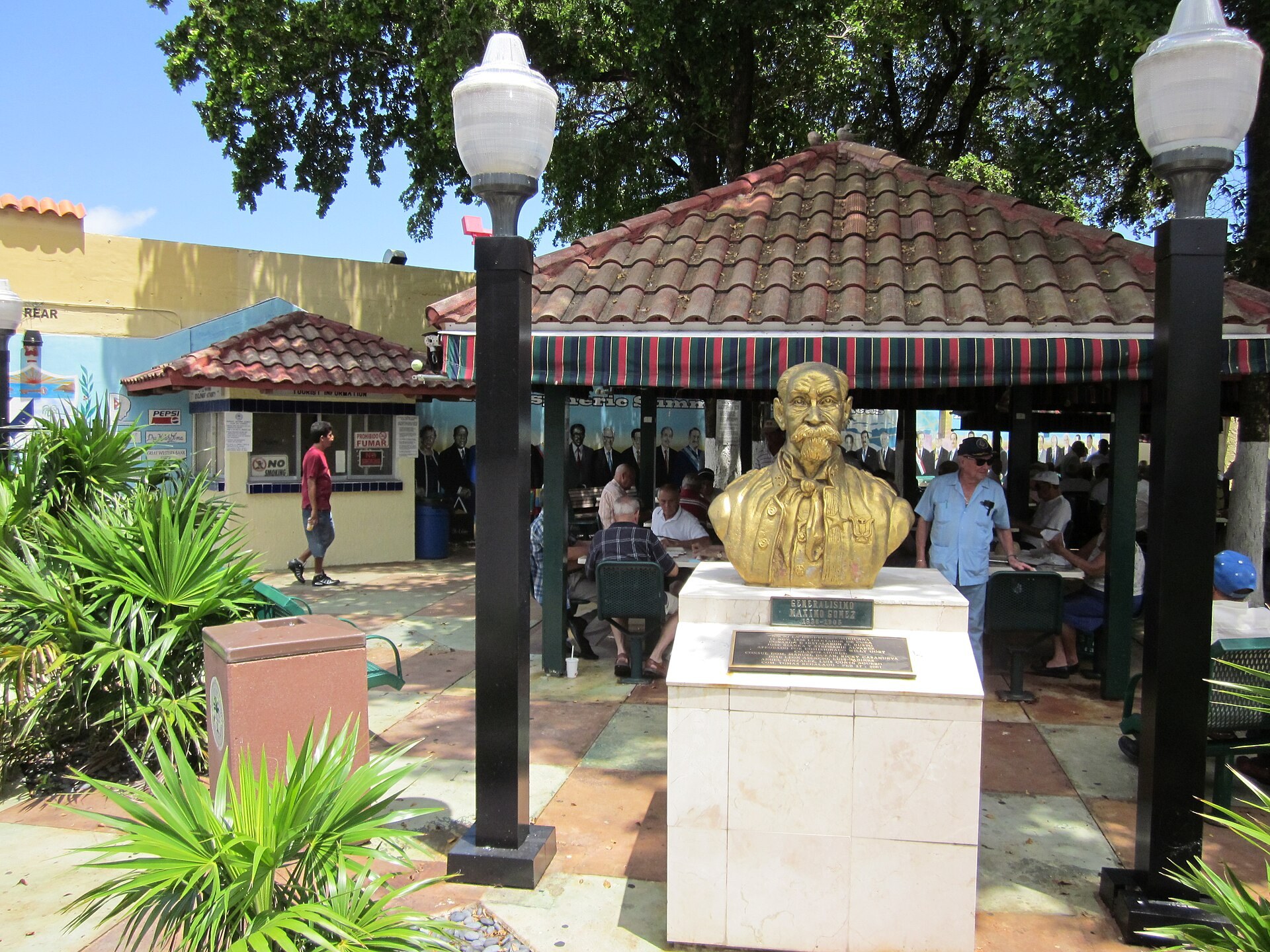
Little Havana is the Cuban-American heart of Miami, centered on Calle Ocho (SW 8th Street) roughly between SW 12th and SW 27th Avenues, about two miles west of downtown. You can walk the core blocks in a morning, eat well for under $20, and see dominoes, cigar rollers and live salsa without paying admission anywhere. This guide covers what to see, where to eat, how to get there, when to go and which events are worth planning around.
Plan your visit
- Arrive by 10 a.m. to beat the heat and tour buses.
- Start at a ventanita with a cafecito and pastelito.
- Walk SW 13th Avenue for the Cuban Memorial Boulevard monuments.
- Watch the games at Domino Park on SW 15th Avenue.
- Visit a cigar shop and watch a roller work.
- Eat lunch at a counter or a sit-down Cuban restaurant.
- Return after dark for live music on Calle Ocho.
What you need
- Cash in small bills for ventanitas and fruit stands
- Photo ID if you plan to drink (bars check at 21+)
- Sunscreen, a hat and a refillable water bottle
- Comfortable shoes for broken and uneven sidewalks
- A parking app set up on your phone
Where Little Havana is and how it is laid out
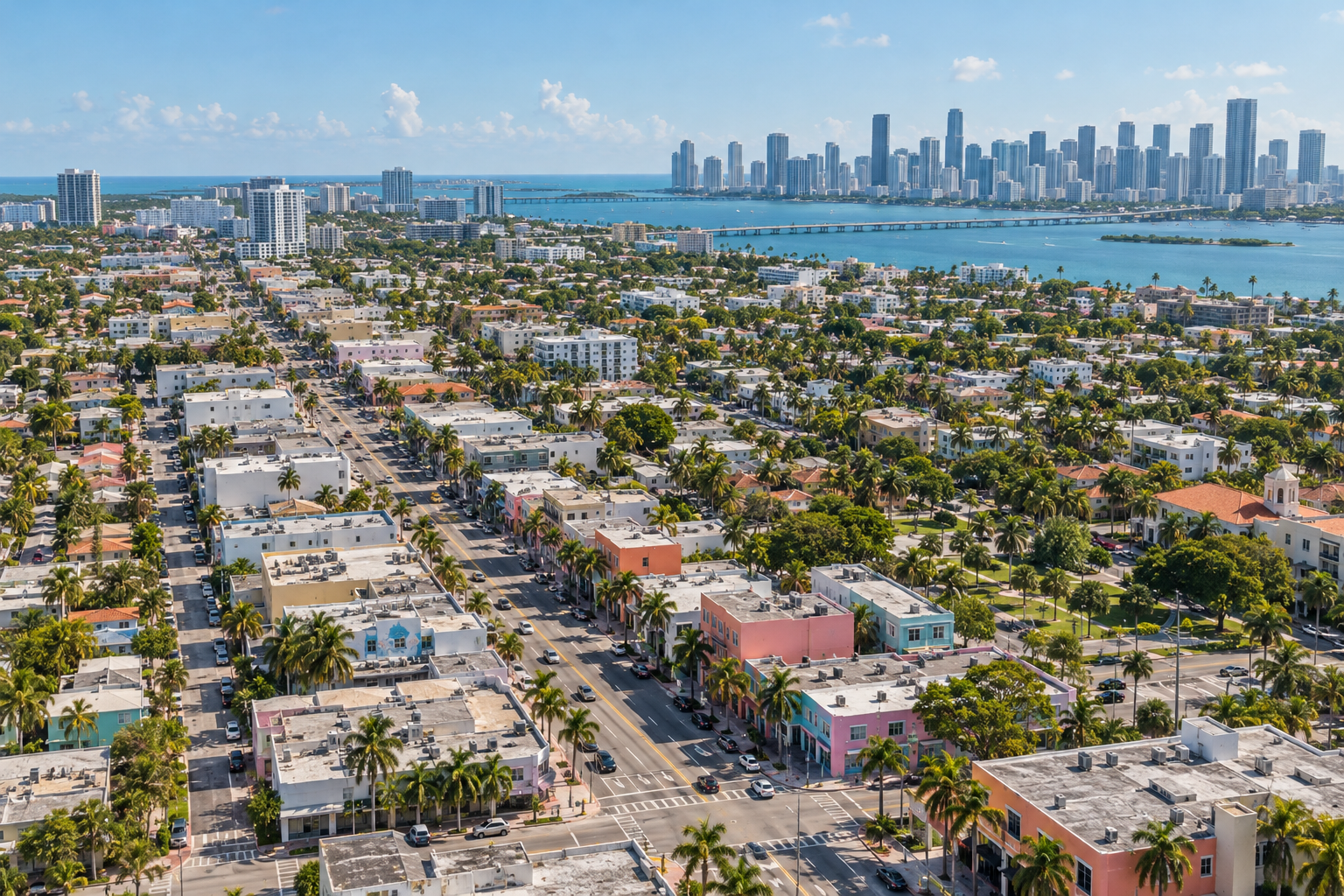
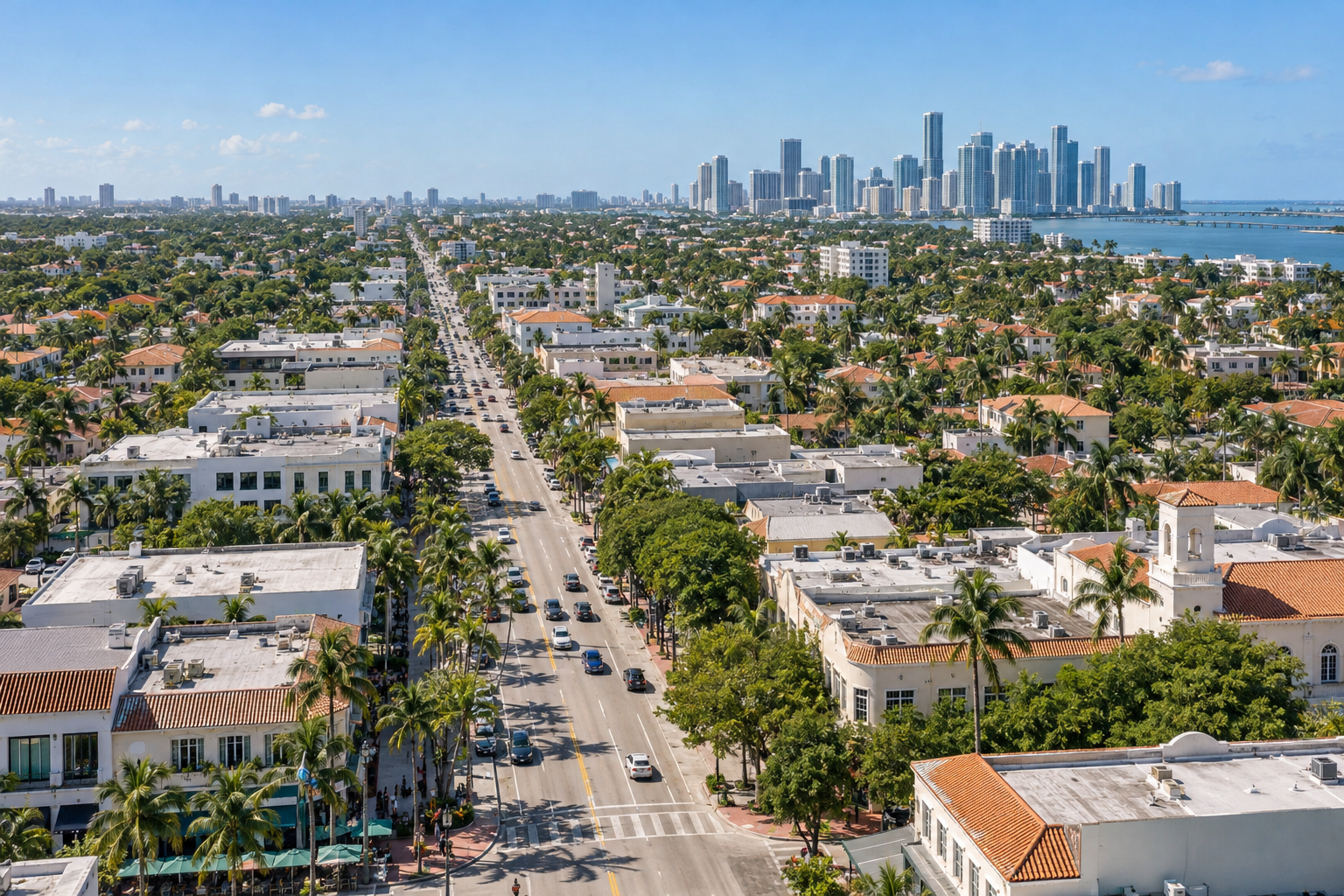
Little Havana sits inside the City of Miami in Miami-Dade County, bounded loosely by the Miami River to the north, SW 22nd Street (Coral Way) to the south, I-95 to the east and about SW 37th Avenue to the west. Residents use the name for a much larger area than visitors do. For a first visit, the only stretch that matters is Calle Ocho itself.
Addresses on Calle Ocho climb as you head west, so 1500 SW 8th Street is at SW 15th Avenue. The densest run of attractions sits between SW 13th and SW 17th Avenues, a walkable five blocks with Domino Park, the Tower Theater, Ball & Chain, Cubaocho and most of the cigar shops within sight of each other. Versailles and La Carreta, the two best-known restaurants, sit two miles farther west near SW 36th Avenue, which is a drive or a bus ride rather than a stroll.
The neighborhood is not exclusively Cuban. Nicaraguan, Honduran, Salvadoran and Dominican families have lived here for decades, and you will hear it on the menus. The National Trust for Historic Preservation named Little Havana a National Treasure in 2017, which slowed some of the development pressure coming from the east side.
Getting there and parking
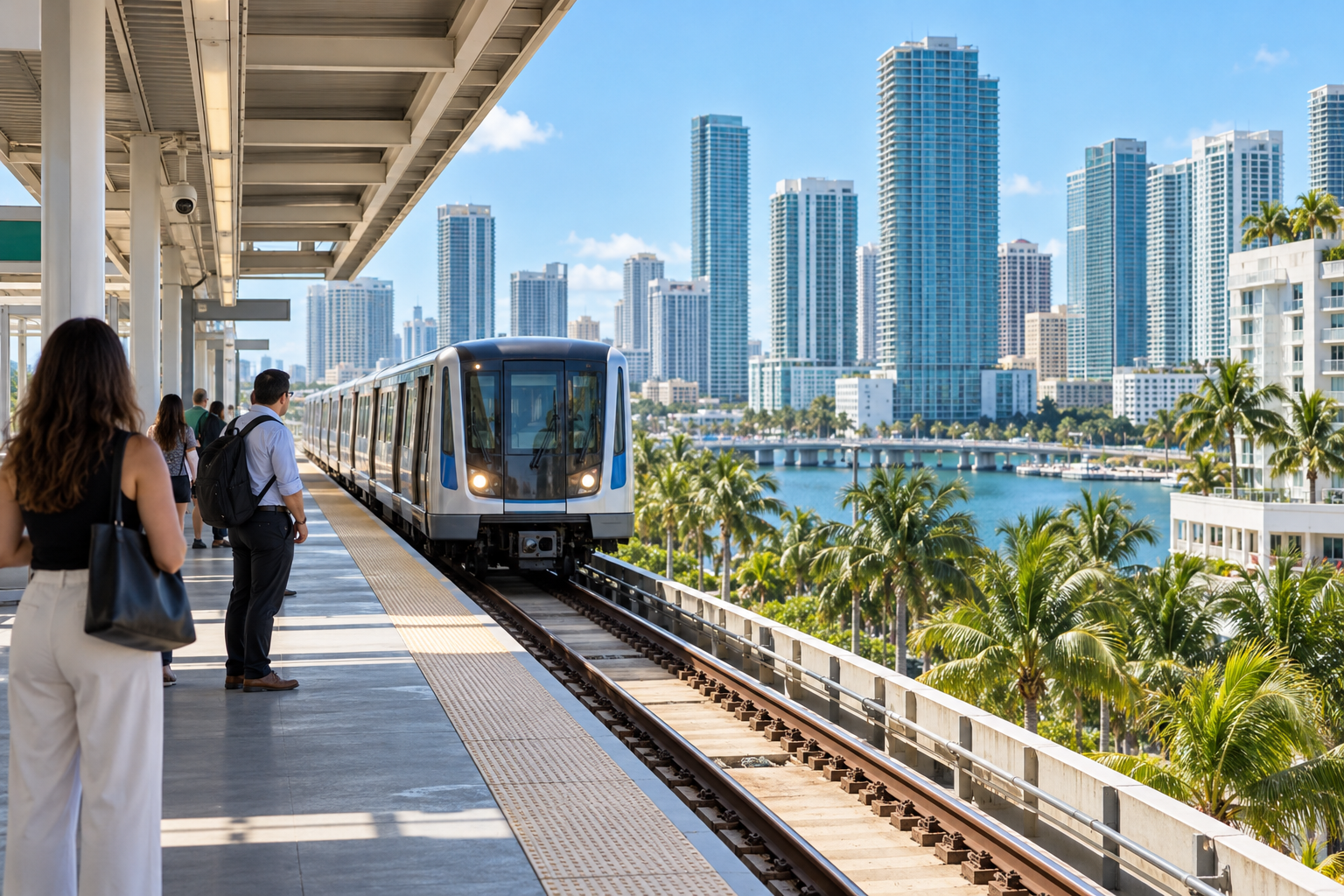
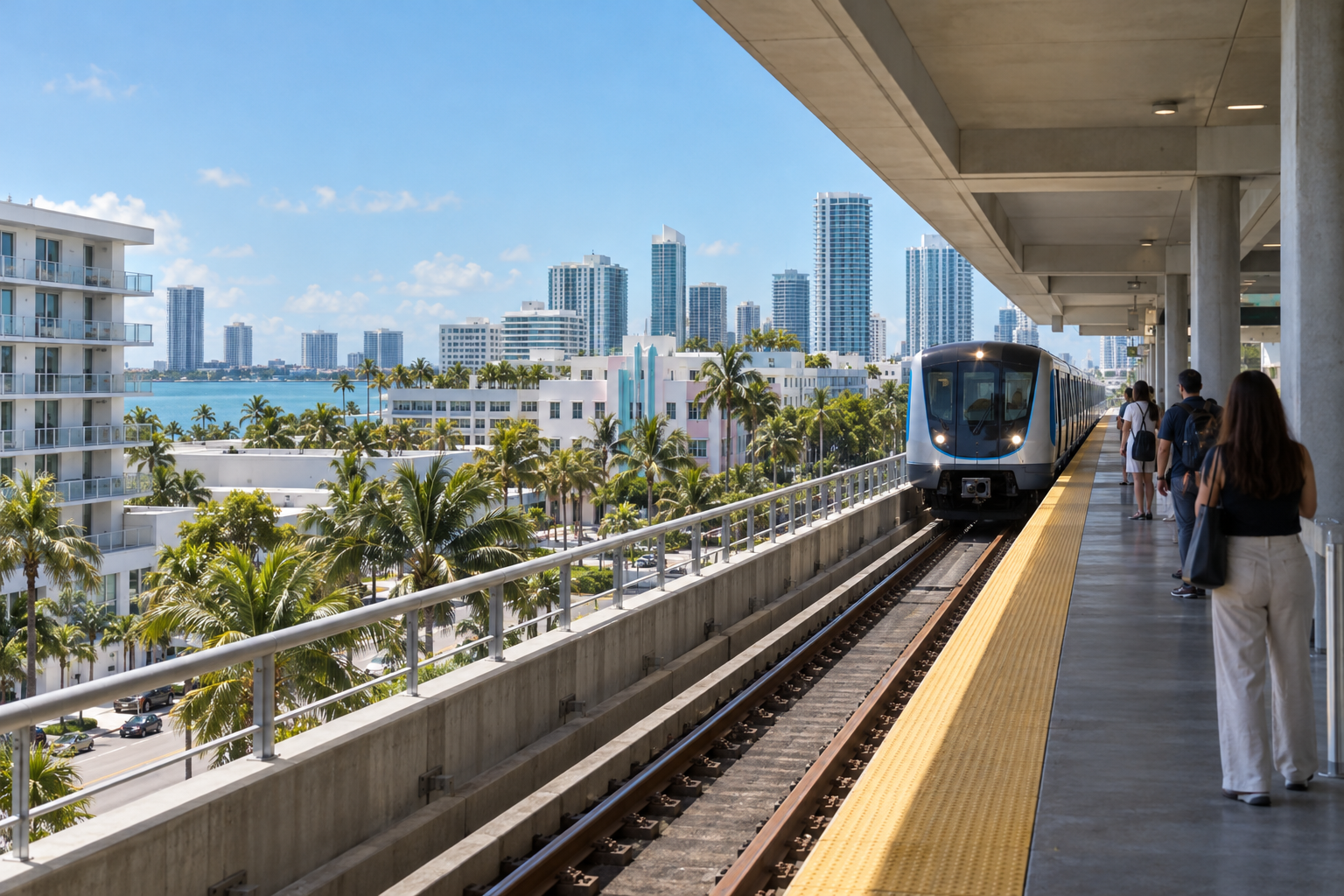
Driving is the default for most of South Florida, and Little Havana is easy to reach. From “miami international airport” the trip is about 15 to 25 minutes via the Dolphin Expressway (SR 836) to I-95 or LeJeune Road, depending on traffic. From Brickell or downtown, SW 8th Street runs straight west under I-95 into the neighborhood.
Transit works better here than in most of Miami. Metrobus Route 8 runs the full length of Calle Ocho and connects with the Brickell Metrorail station on the east end. The City of Miami also operates a free trolley with a Little Havana route that loops through the neighborhood and links toward Brickell; confirm the current route map and operating hours on the City of Miami trolley page, because loops get adjusted. If you are staying in “miami brickell“, the trolley or a rideshare is simpler than parking.
Parking is metered on and around Calle Ocho and enforced by the Miami Parking Authority through its pay-by-phone app and posted zone numbers. Rates and time limits change, so read the sign on your block rather than assuming. Residential side streets a few blocks north or south are often free but check for permit-only signage. There are a handful of paid surface lots between SW 14th and SW 17th Avenues that fill on Friday nights and festival days.
Local tip
Park once near SW 15th Avenue for the walkable core, then drive separately to Versailles. Walking the two miles between them in August is unpleasant and there is little to see along the way.
What to see along Calle Ocho
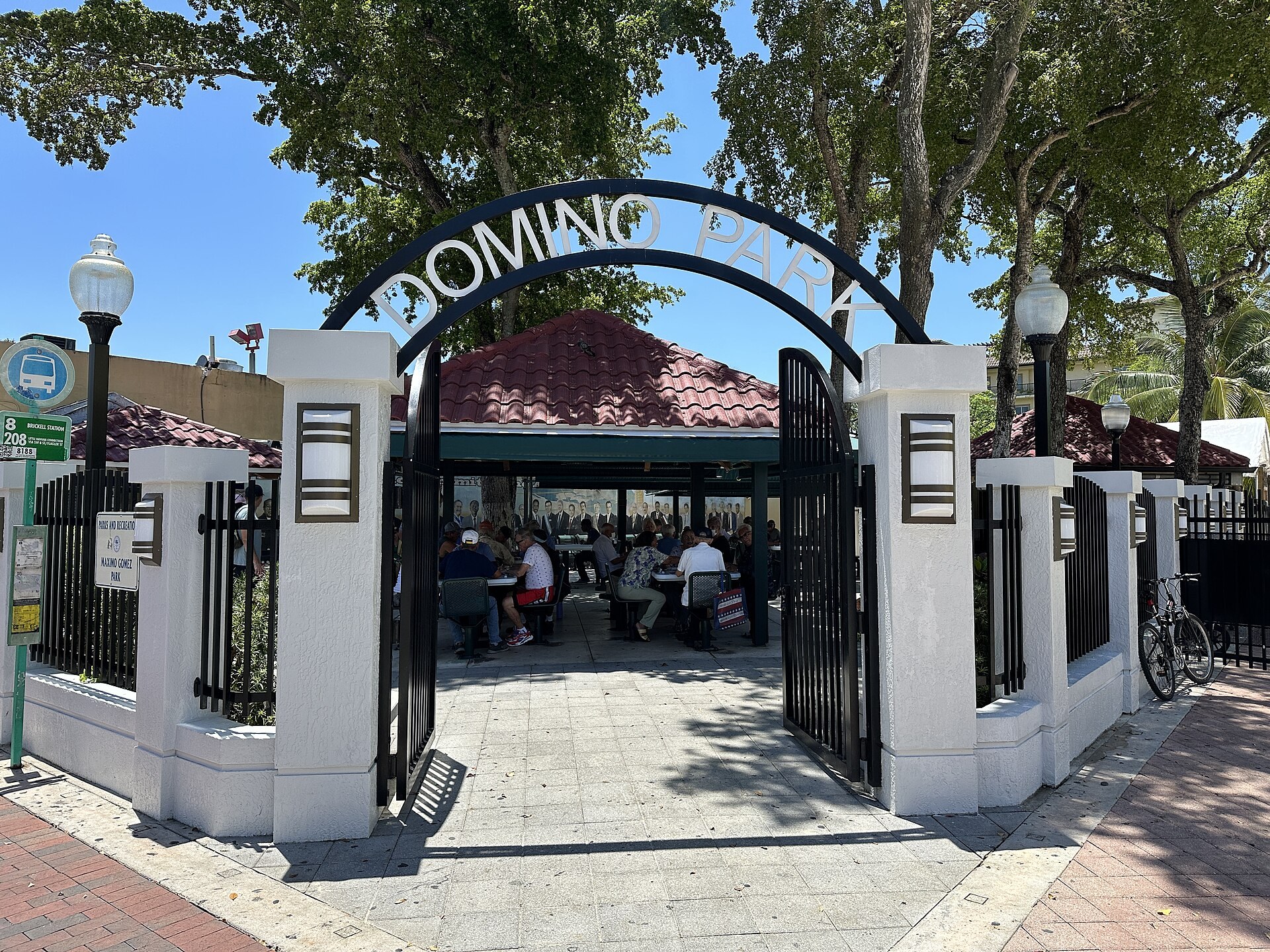
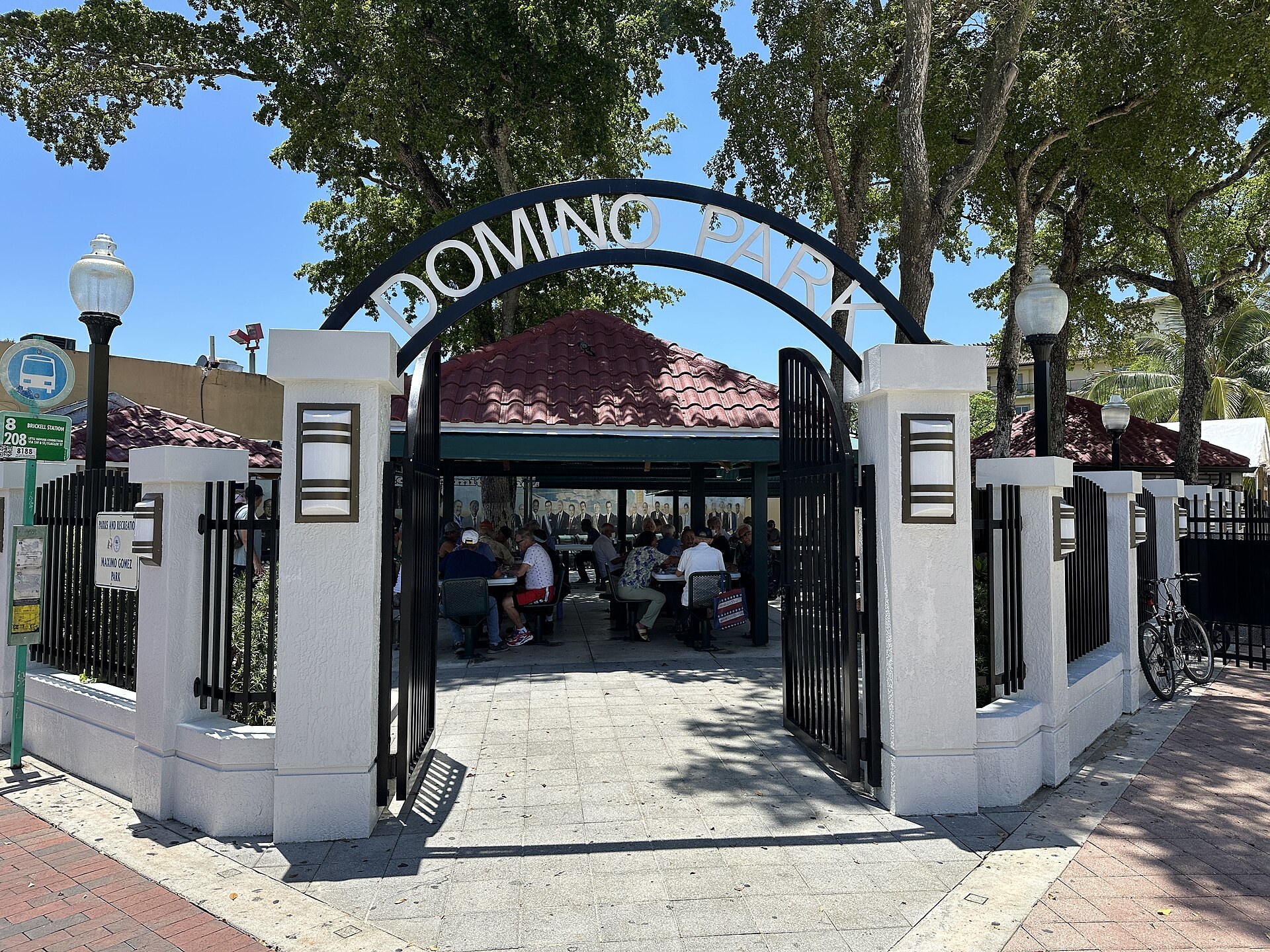
Domino Park (Máximo Gómez Park)
The park at SW 8th Street and SW 15th Avenue is the neighborhood’s living room. Regulars play dominoes and chess at fixed tables under a pavilion most of the day, and the slap of tiles carries across the street. City rules limit play to members aged 55 and over, so you watch rather than join. Watching is free and welcome; photographing someone’s face up close without asking is not. The mural inside the park depicts the 1994 Summit of the Americas and has become a landmark in its own right.
Cuban Memorial Boulevard
SW 13th Avenue, running south from Calle Ocho, is lined with monuments. The eternal flame at the Brigade 2506 memorial honors the Bay of Pigs invasion of 1961, and busts and plaques nearby commemorate José Martí and other figures from Cuban history. Older residents still gather here on anniversaries. It is a quiet two-block walk that explains a lot about why the neighborhood exists.
Calle Ocho Walk of Fame
Pink marble stars set into the sidewalk along Calle Ocho honor Latin entertainers. Celia Cruz received the first star in 1988, and Gloria Estefan, Willy Chirino and dozens of others followed. The stars cluster most densely between SW 12th and SW 17th Avenues. Look down as you walk.
Tower Theater
The Tower Theater at 1508 SW 8th Street opened in 1926 and wears a restored Art Deco facade. It is owned by the City of Miami and has cycled through operators over the years, so check current film programming and ticket prices through the city before planning an evening around it. Even dark, the marquee is the most photographed spot on the street.
Cubaocho Museum and Performing Arts Center
Cubaocho at 1465 SW 8th Street combines a serious collection of pre-revolution Cuban art, spanning roughly 1800 to the late 1950s, with a bar and a stage. Entry to look at the art is free during opening hours; the live bands at night are the draw for most visitors. Hours and cover charges vary by event, so confirm before you go.
Galleries and the roosters
The Futurama 1637 Art Building at 1637 SW 8th Street houses working artist studios that open to the public, and several independent galleries dot the blocks between SW 15th and SW 17th Avenues. The painted fiberglass roosters outside shops along Calle Ocho are a public art project that has become the neighborhood mascot. Children like counting them.
Where to eat and drink
You cannot talk about Little Havana without “cuban food“, and the cheapest way to eat here is also the best. A ventanita is a walk-up window where you order a cafecito (a sweetened espresso shot), a colada (the same, in a large cup with tiny plastic cups for sharing) or a cortadito (espresso with a splash of steamed milk) plus a pastelito filled with guava and cheese or ground beef. Expect to pay a few dollars for the lot. Almost every bakery and restaurant on the strip has one.
For sit-down meals, these are the names locals actually use:
| Place | Address | What to order | Notes |
|---|---|---|---|
| Versailles | 3555 SW 8th St | Ropa vieja, media noche, flan | Open since 1971; ventanita out front; tour bus crowds midday |
| La Carreta | 3632 SW 8th St | Lechón asado, croquetas | Same family group as Versailles; quieter |
| Sanguich de Miami | 2057 SW 8th St | Cubano sandwich, croquetas | Counter seating; house-cured meats; expect a wait |
| Los Pinareños Frutería | 1334 SW 8th St | Guarapo, fresh coconut, mamey | Open-air fruit stand; cash is simplest |
| Azucar Ice Cream Company | 1503 SW 8th St | Abuela Maria, café con leche flavors | Next to Domino Park; lines on weekends |
| Ball & Chain | 1513 SW 8th St | Mojito, small plates | Bar and live music; food is secondary |
Guarapo, pressed sugarcane juice served ice cold, is the drink you will not find many other places in the county. Los Pinareños has been pressing it for decades and the stand sits a few steps from the Cuban Memorial Boulevard monuments, which makes it a natural first stop.
Vegetarians manage fine with moros (black beans and rice), tostones, maduros and yuca, though ask whether the beans were cooked with pork. Prices on the main strip run higher than at Cuban cafeterias in Hialeah or Westchester, but they remain modest by Miami standards.
Good to know
Afternoon thunderstorms arrive almost daily from June through September and the heat index routinely passes 100°F. Carry water, plan indoor stops for 2 to 4 p.m., and do not leave anything visible in a parked car anywhere in the city.
Cigars and shopping
Hand-rolled cigars are the neighborhood’s signature souvenir, and several shops let you watch rollers work at wooden tables in the window. El Titan de Bronze at 1071 SW 8th Street rolls on site and sells by the single stick or the box. Cuba Tobacco Cigar Co. and Little Havana Cigar Factory, both in the core blocks, do the same with a wider range of brands. None of these are Cuban-made; the tobacco comes from the Dominican Republic, Nicaragua, Honduras and Ecuador, and shopkeepers are candid about that if you ask.
A single premium cigar typically runs from under $10 to well over $20 depending on size and blend. Buying one or two to smoke on a bench outside Domino Park is a common ritual. Guayabera shirts, Cuban coffee tins, maracas and reproduction Havana posters fill the gift shops in between. For serious retail you will need to leave the neighborhood; the nearest large malls are a drive west or north.
Nightlife and live music
Ball & Chain is the anchor. The bar at 1513 SW 8th Street traces its name to a 1930s club that hosted Billie Holiday and Count Basie, and today it runs live salsa, jazz and Latin bands on its outdoor pineapple-shaped stage most nights, with no cover on many evenings. Arrive before 8 p.m. on weekends if you want a table. Cubaocho across the street programs its own bands and tends to draw an older, more local crowd.
Smaller bars and restaurants between SW 13th and SW 17th Avenues add music on Thursday through Saturday. Calle Ocho after dark is busy and well lit on those blocks; the side streets are residential and quiet, and most visitors have no trouble. Rideshare pickup is easiest at the corner of SW 8th Street and SW 16th Avenue, away from the thickest sidewalk traffic.
Events worth planning around
Viernes Culturales (Cultural Fridays). On the third Friday of every month, Calle Ocho between about SW 13th and SW 17th Avenues becomes a free evening street festival with bands, artist booths, dance lessons and walking tours. It is the single best regular night to visit. Confirm the month’s lineup and exact hours with the Viernes Culturales organizers, since programming shifts with sponsors.
Calle Ocho Music Festival. Held on a Sunday in early March as the closing event of Carnaval Miami, organized by the Kiwanis Club of Little Havana, this is one of the largest free street festivals in the country. Multiple stages stretch along SW 8th Street from roughly SW 12th to SW 27th Avenues, and the street closes to cars for the day. Expect crowds in the hundreds of thousands, no parking within a mile and a long wait for any transit out. Go early and leave before the headliners finish.
Three Kings Parade. Each January, the Parada de los Reyes Magos rolls down Calle Ocho with floats, marching bands and Spanish-language celebrities. It is a family event, and the curbs fill with lawn chairs by midmorning.
Marlins baseball. loanDepot park at 501 Marlins Way sits on the former Orange Bowl site at the northern edge of Little Havana, about a 15-minute walk north of Calle Ocho along SW 17th Avenue. From late March through September, a weekday ballgame followed by dinner on Calle Ocho is a solid combined itinerary. Check the team’s ticket office for the current schedule and bag policy.
Best time to go
Weather drives the decision more than anything else. November through April brings dry, warm days in the 70s and low 80s, and the sidewalks are comfortable from morning to night. May through October is hot, humid and wet, which pushes a visit into early morning (for coffee and dominoes, both at their best before 11 a.m.) or evening (for music).
Within a given week, weekday mornings are the most authentic; tour groups thin out and the domino tables are full of regulars. Friday and Saturday nights are the liveliest. Sunday is quieter, and several small shops close or shorten hours, so confirm anything you specifically want to visit.
When to get help
For walking tours, the Viernes Culturales organizers and several licensed local companies run guided food and history walks that cover more ground than you can find alone, usually at a fixed price per person. If you have a question about a city permit, parking citation or a street closure, contact the City of Miami directly; for court or records matters that come up during a longer stay, the “miami dade clerk of courts” handles those, not the neighborhood.
Nearby
Brickell and downtown are ten minutes east by car or bus, which makes a Little Havana morning and a Brickell evening a natural pairing. Coral Way to the south runs toward Coral Gables with its banyan canopy, and the Miami River to the north has José Martí Park at SW 4th Avenue with a pool and riverfront walk.
Woodlawn Park Cemetery at 3260 SW 8th Street, on the drive out to Versailles, holds the graves of two former Cuban presidents and former Nicaraguan president Anastasio Somoza, a detail that explains the neighborhood’s politics better than any plaque. For sand and water, remember that Little Havana is inland; the nearest of the “miami beaches” sits across the causeways to the east, 25 to 40 minutes away depending on traffic.
FAQ
Is Little Havana safe to visit?
The Calle Ocho core between SW 12th and SW 17th Avenues is busy, policed and comfortable day and night, especially on event evenings. Use ordinary city sense on residential side streets after dark, and never leave bags visible in a parked car.
How much time do I need?
Two to three hours covers coffee, Domino Park, the memorials, a cigar shop and lunch. A full day adds the Tower Theater, Cubaocho’s collection, Versailles and an evening of live music.
Is Little Havana free?
Walking the street, watching the domino games, visiting the memorials and seeing the art at Cubaocho cost nothing. You will spend money on food, cigars and drinks, and some live shows carry a cover.
Can I get there without a car?
Yes. Take Metrorail to Brickell station, then Metrobus Route 8 or the free City of Miami trolley west along SW 8th Street. Rideshare from downtown or the airport is also quick and inexpensive.
Is there a Little Havana outside Miami?
The name appears on bars and restaurants in other cities, including one in Baltimore, but the neighborhood itself is in Miami, Florida, inside Miami-Dade County. Searches for “Little Havana Florida” and “Little Havana Miami” refer to the same place described here.
Where do I confirm hours and prices?
Check individual restaurants and shops directly, the City of Miami for the Tower Theater and the trolley, the Miami Parking Authority for meter rules, Viernes Culturales organizers for monthly events and the Kiwanis Club of Little Havana for the Calle Ocho Music Festival date.