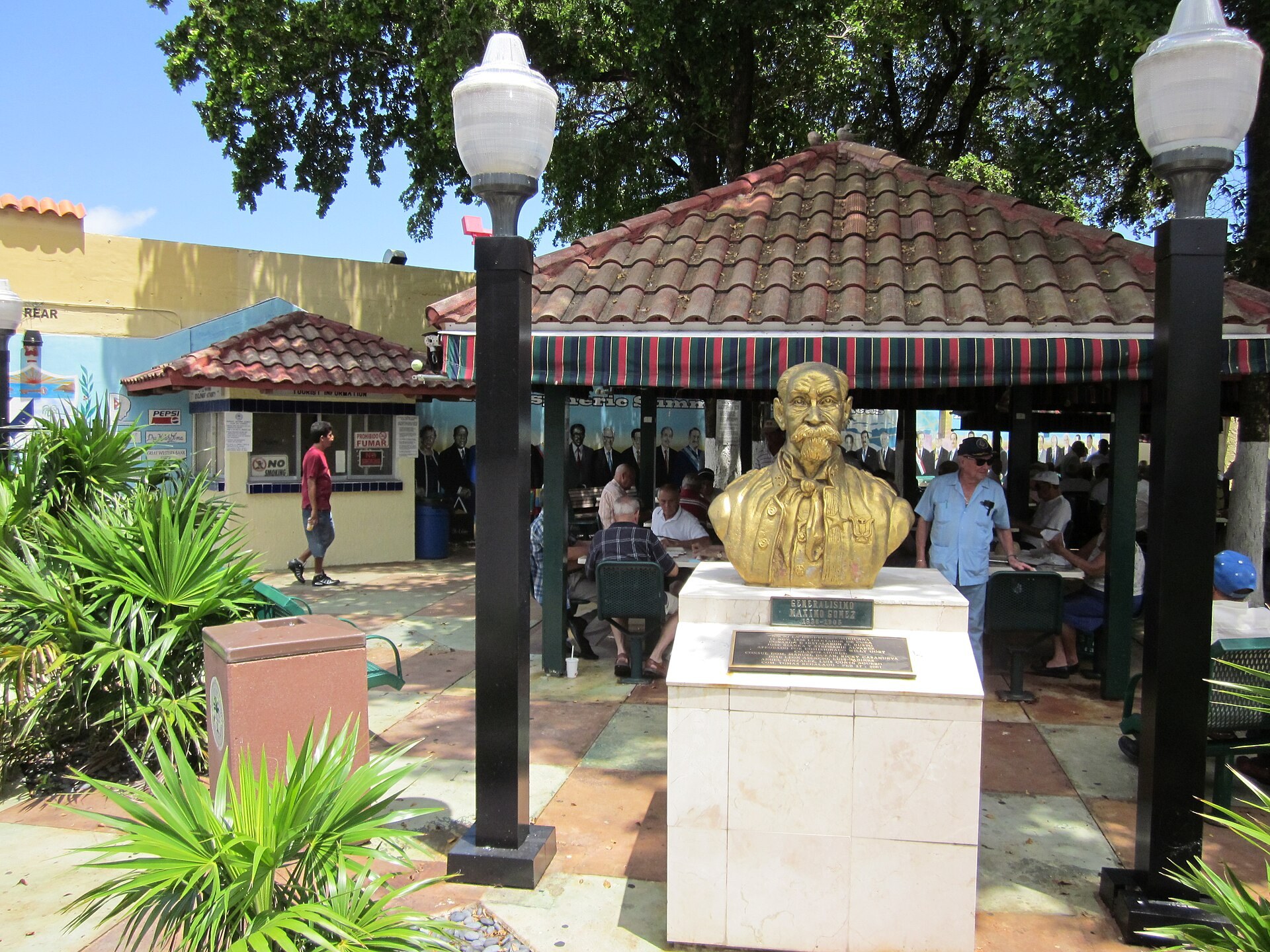
Hialeah is the second-largest city in Miami-Dade County, about 10 miles west-northwest of downtown Miami and just north of Miami International Airport. We wrote this guide for anyone who needs to get something done there, from finding City Hall and the courthouse to spending a day at Hialeah Park or Amelia Earhart Park. Hours and fees change, so we tell you where to confirm each one.
Hialeah at a glance
Hialeah sits inside Miami-Dade County, not Broward, and it is its own incorporated city with its own mayor, council, police, library system and water utility. It is not part of the City of Miami, though the two share a county, an area code and a lot of daily traffic.
The city is overwhelmingly Hispanic, and the largest share of Cuban-born residents of any city in the United States lives here. Spanish is the working language of most shops, clinics and counters. English is understood almost everywhere, but learning a few phrases goes a long way.
| Fact | Detail |
|---|---|
| County | Miami-Dade |
| Incorporated | 1925 |
| Population (2020 Census) | 223,109 |
| Rank in Florida (2020) | Sixth-largest city |
| Rank in Miami-Dade | Second after Miami |
| ZIP codes | 33010, 33012, 33013, 33014, 33015, 33016, 33018 |
| Area codes | 305, 786 |
| Neighbors | Miami Lakes, Hialeah Gardens, Medley, Miami Springs, Opa-locka |
| City Hall | 501 Palm Avenue |
The name comes from a Muskogee phrase usually translated as “high prairie.” The city grew up around the racetrack that aviation pioneer Glenn Curtiss and rancher James Bright built in the 1920s, and that track is still the main historic landmark today.
Plan your visit
- Pick a base: Hialeah Park for history, Amelia Earhart Park for the outdoors.
- Check the Hialeah Park site for the current racing and casino calendar.
- Ride the Metrorail Green Line to Hialeah or Okeechobee station, or drive SR 826.
- Eat lunch on West 49th Street or Palm Avenue, where the Cuban counters cluster.
- Finish at the Leah Arts District murals before dark.
- Confirm park hours and parking fees with Miami-Dade Parks before you go.
What you need
- Cash or card for weekend park parking
- EASY Card or the GO Miami-Dade Transit app for Metrorail
- Sunscreen, hat and water from May through October
- Photo ID for the casino floor (21 and over)
- Basic Spanish phrases, or a translation app
Where Hialeah sits and how to get there
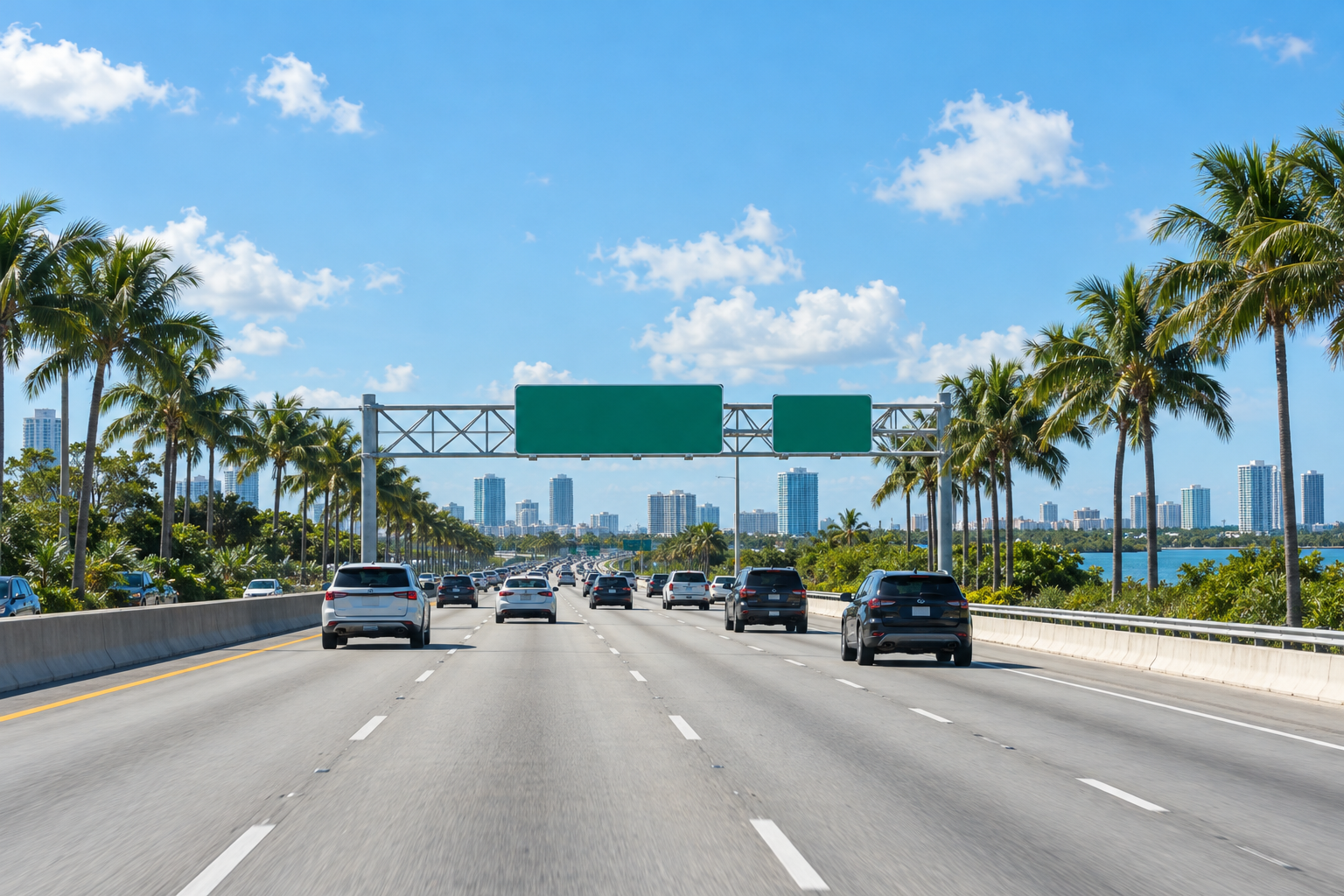
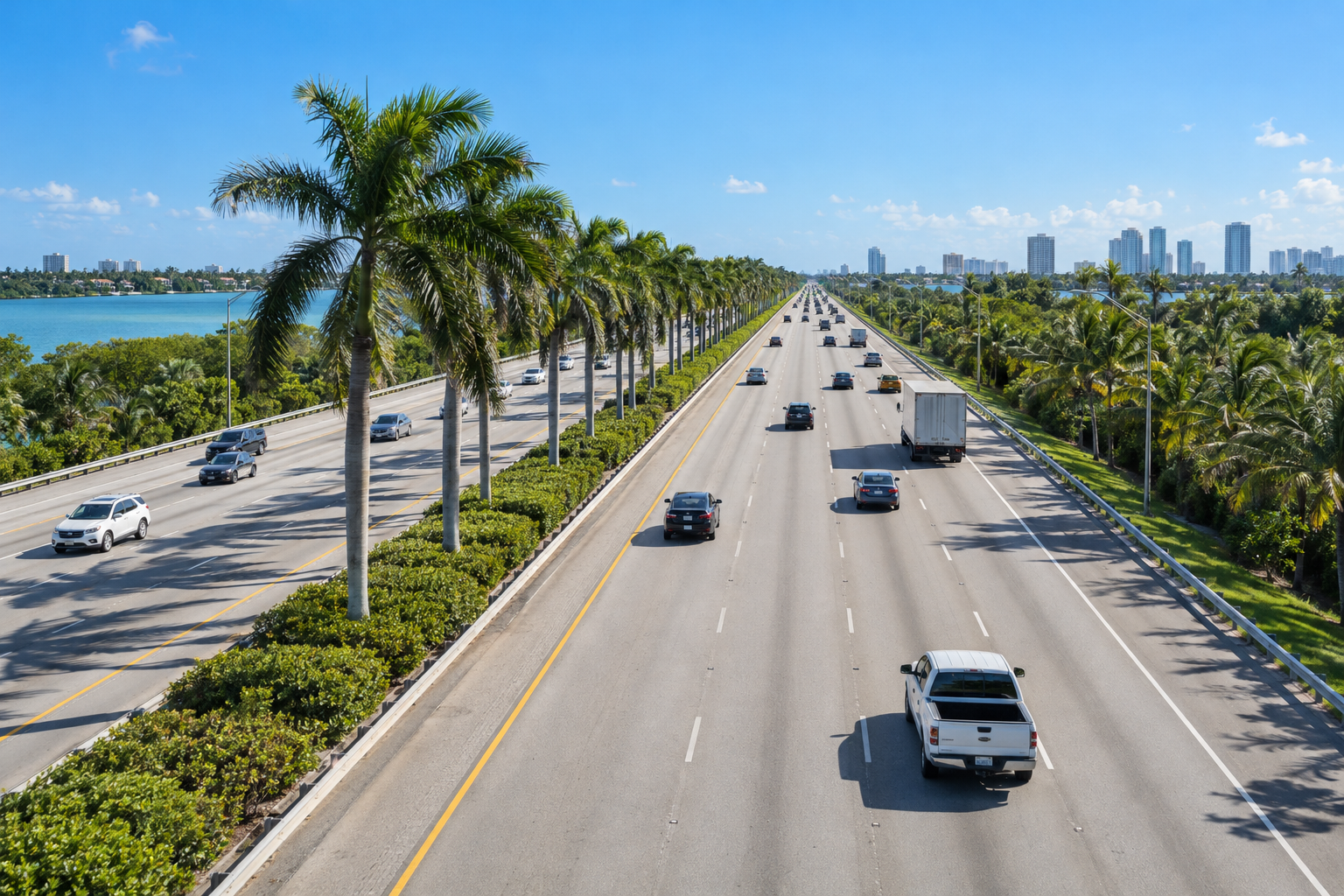
The city fills a little over 20 square miles between Okeechobee Road (US 27) on the southwest, the Palmetto Expressway (SR 826) on the west, and the Miami city limits on the east. Miami Springs and the airport are directly south. Miami Lakes is north.
Driving
Three roads do most of the work. The Palmetto Expressway runs north-south through the west side with exits at Okeechobee Road, West 49th Street and NW 103rd Street. Okeechobee Road angles along the southwest edge toward Medley and Doral. Le Jeune Road (NW 42nd Avenue) comes up from the airport and becomes East 8th Avenue once it crosses into the city.
One thing that confuses GPS users: Hialeah uses its own street grid. Streets and avenues count outward from Palm Avenue and the south end of town, not from Flagler Street and Miami Avenue like the rest of the county. West 49th Street in Hialeah is the same road as NW 103rd Street outside the city limits. If a delivery or rideshare address looks wrong, that grid change is usually why.
Metrorail, Tri-Rail and buses
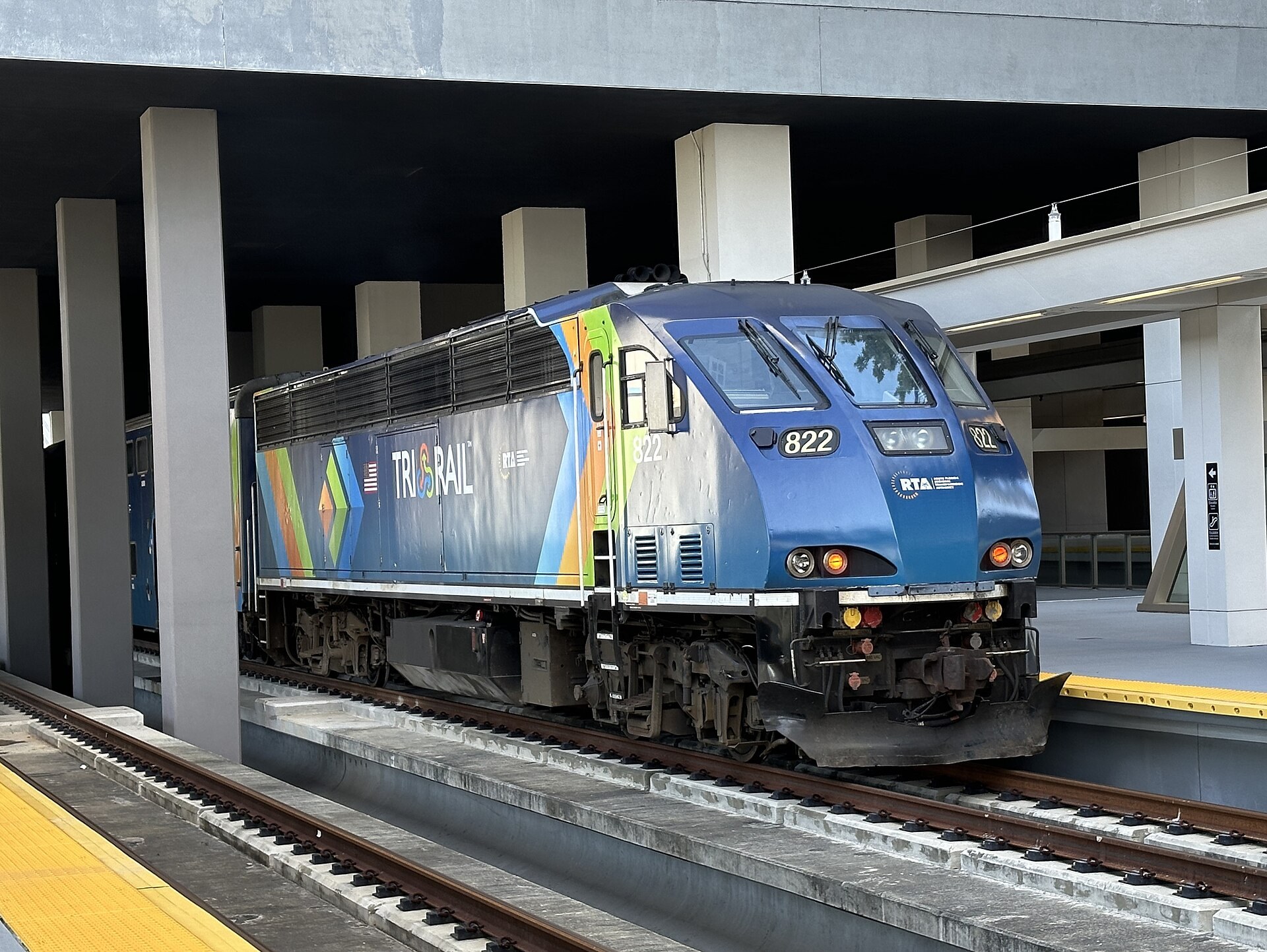
Hialeah is one of the few Miami-Dade suburbs with real rail service.
| Station | System | What it serves |
|---|---|---|
| Hialeah | Metrorail Green Line | Hialeah Park, City Hall area, Palm Avenue |
| Okeechobee | Metrorail Green Line | Southwest Hialeah, Okeechobee Road corridor |
| Tri-Rail/Metrorail Transfer | Metrorail and Tri-Rail | Connection north to Broward and Palm Beach |
| Hialeah Market | Tri-Rail | Industrial southeast, Hialeah Market area |
The Green Line runs from Dadeland South through downtown Miami and ends at Palmetto station just past the city line. From downtown, the ride to Hialeah station takes roughly 25 minutes. Fares are paid with an EASY Card or the transit app, and the current fare is posted on the Miami-Dade Transit site.
The city also runs its own free Hialeah Transit bus routes that loop past City Hall, Westland Mall and the main parks. Schedules are on the city’s website under transportation. Miami-Dade Transit county buses cover the rest.
Local tip
Hialeah station sits a short walk from Hialeah Park’s main gate on East 4th Avenue. On race days the station lot fills slower than the track lot, and you skip the exit queue entirely.
Hialeah Park Racing & Casino
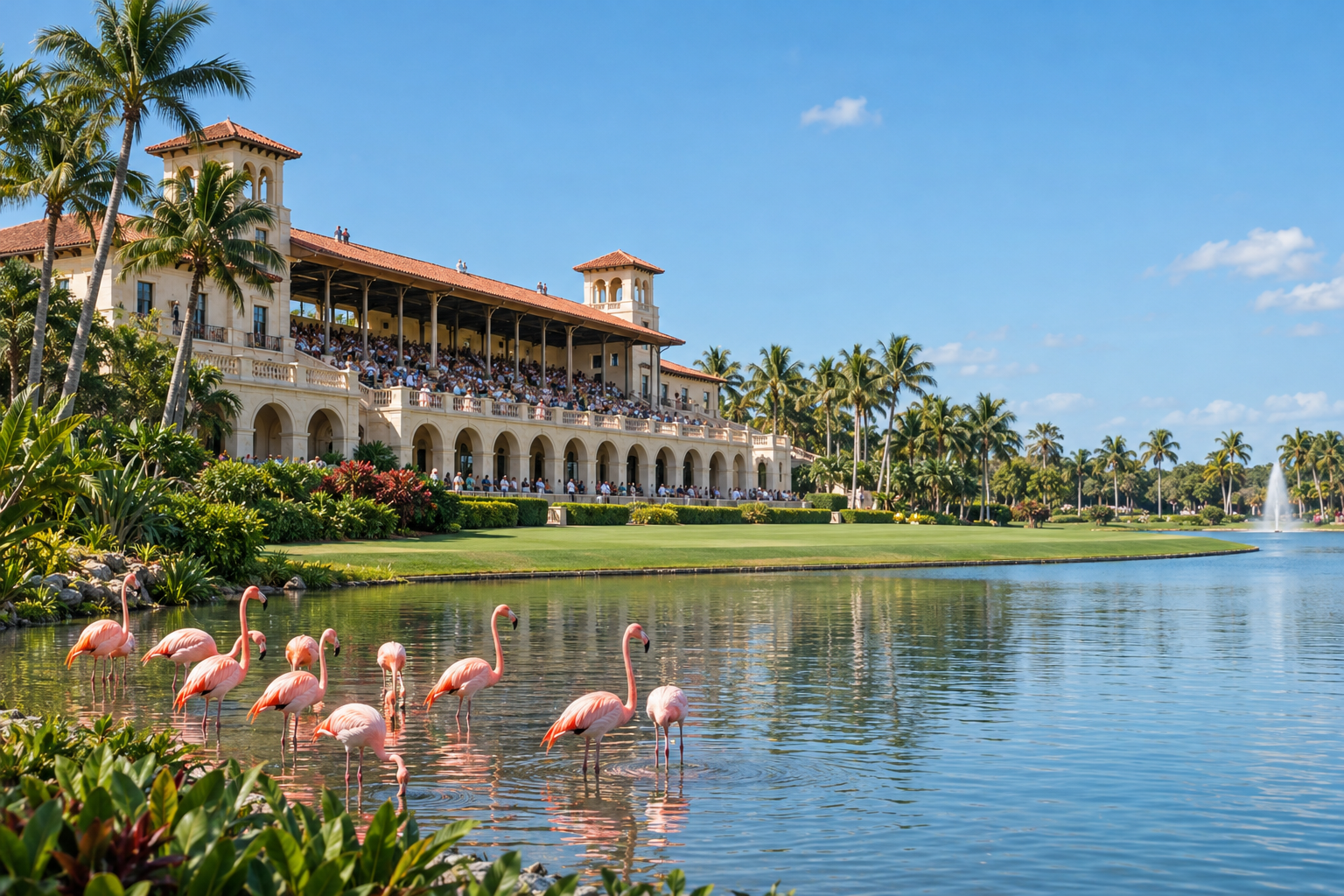
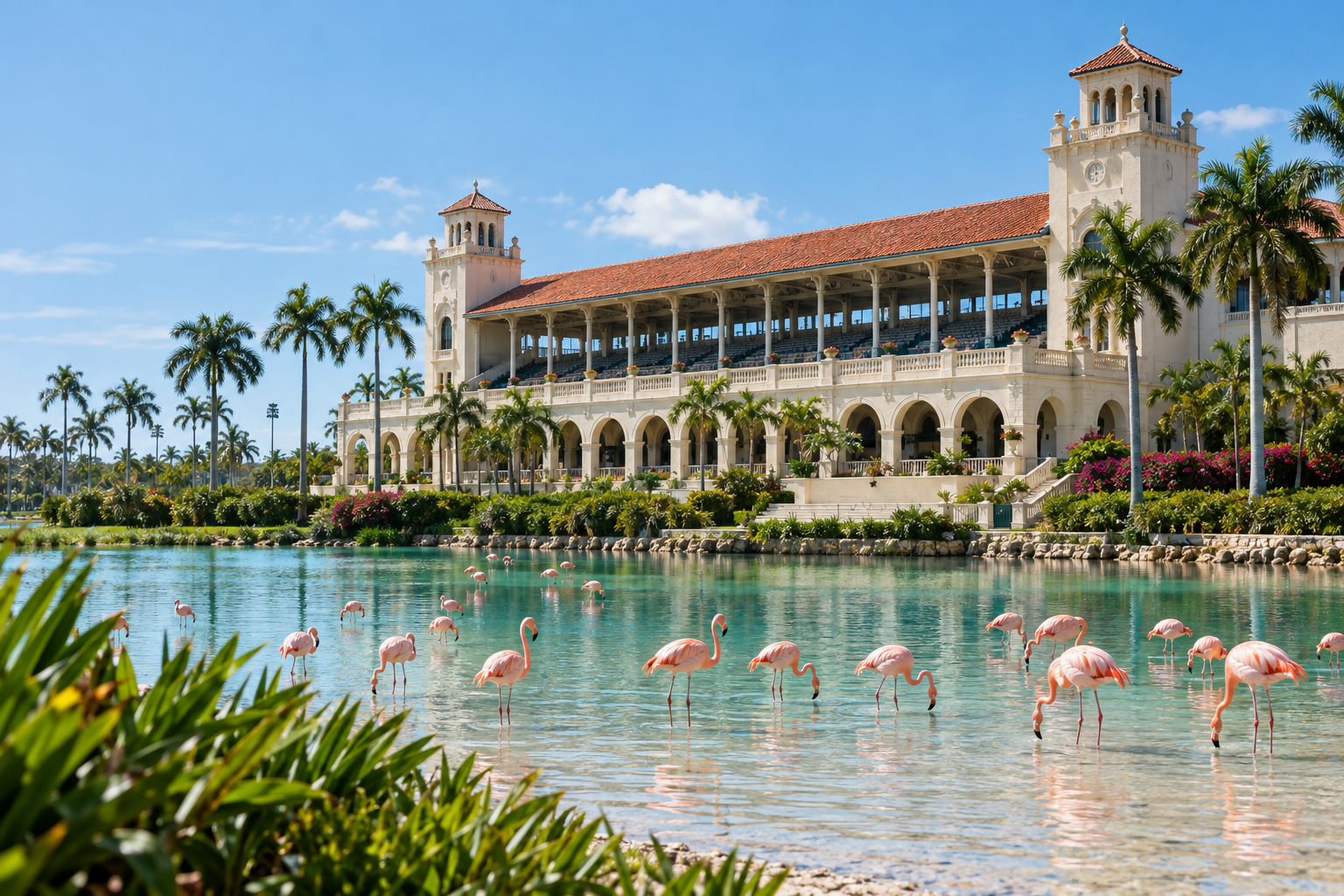
Hialeah Park is the reason most visitors come. The track opened in 1922 as a greyhound track, switched to thoroughbred racing in 1932 after a rebuild, and is listed on the National Register of Historic Places. The Mediterranean Revival clubhouse, the fountains and the flock of flamingos living on the infield lake are the main draws even on days with no racing.
The address is 2200 East 4th Avenue. Thoroughbred racing ended in 2001, and the track later reopened around quarter horse meets and a casino with slots and a poker room. Racing calendars in Florida have shifted several times in the past decade, so check the park’s own site for whether live racing is scheduled before planning around it.
The grounds are the real attraction. We tell first-time visitors to walk the grandstand, look at the paddock, and give the flamingos 20 minutes. The flock is an Audubon-recognized sanctuary and the birds breed here, which is rare for captive flamingos in the United States.
Good to know
The casino floor is 21 and over with ID checked at the door. The historic grounds and grandstand are open to all ages, but hours for the two differ. Confirm both on the park’s site before bringing kids.
Parks and outdoor space
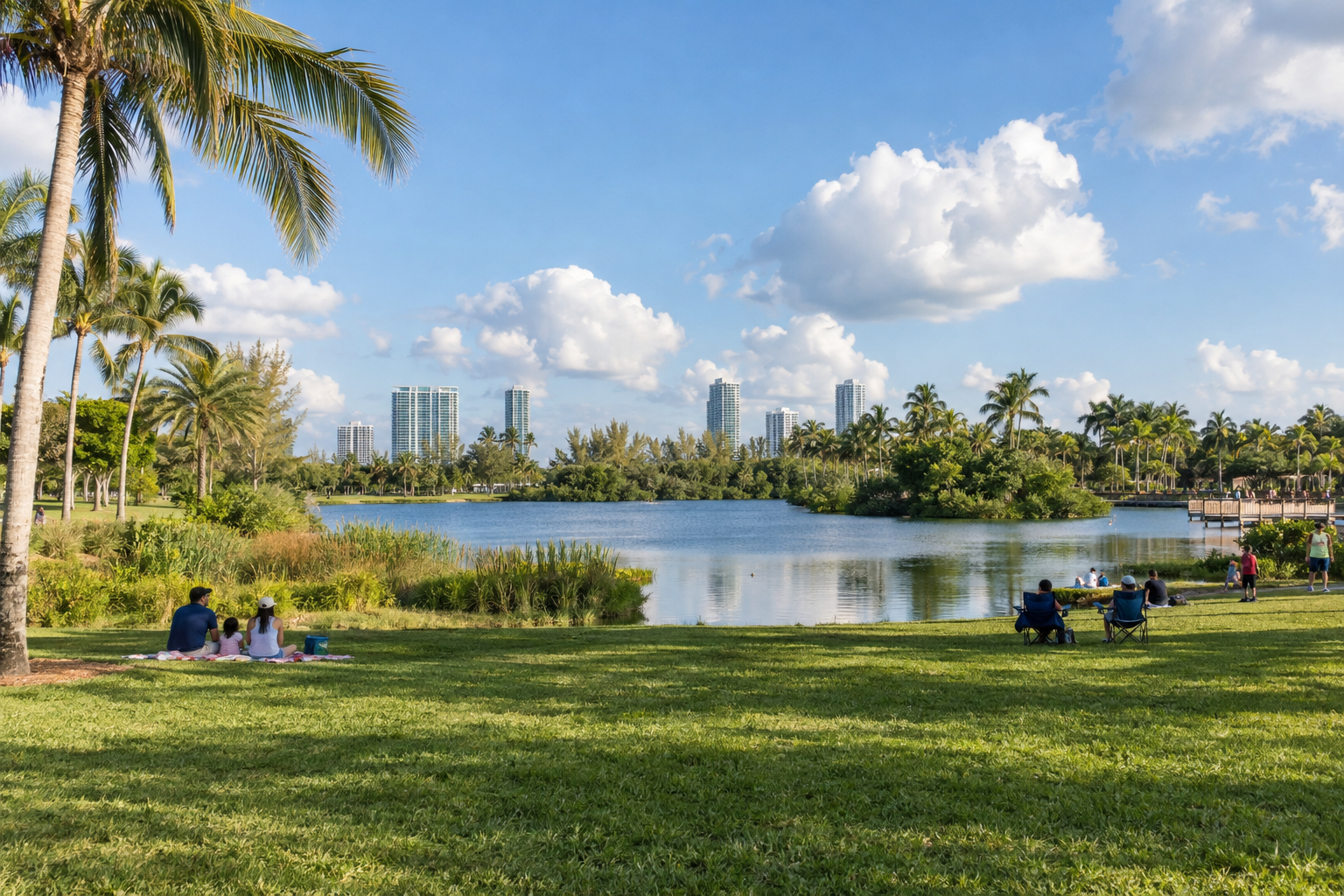
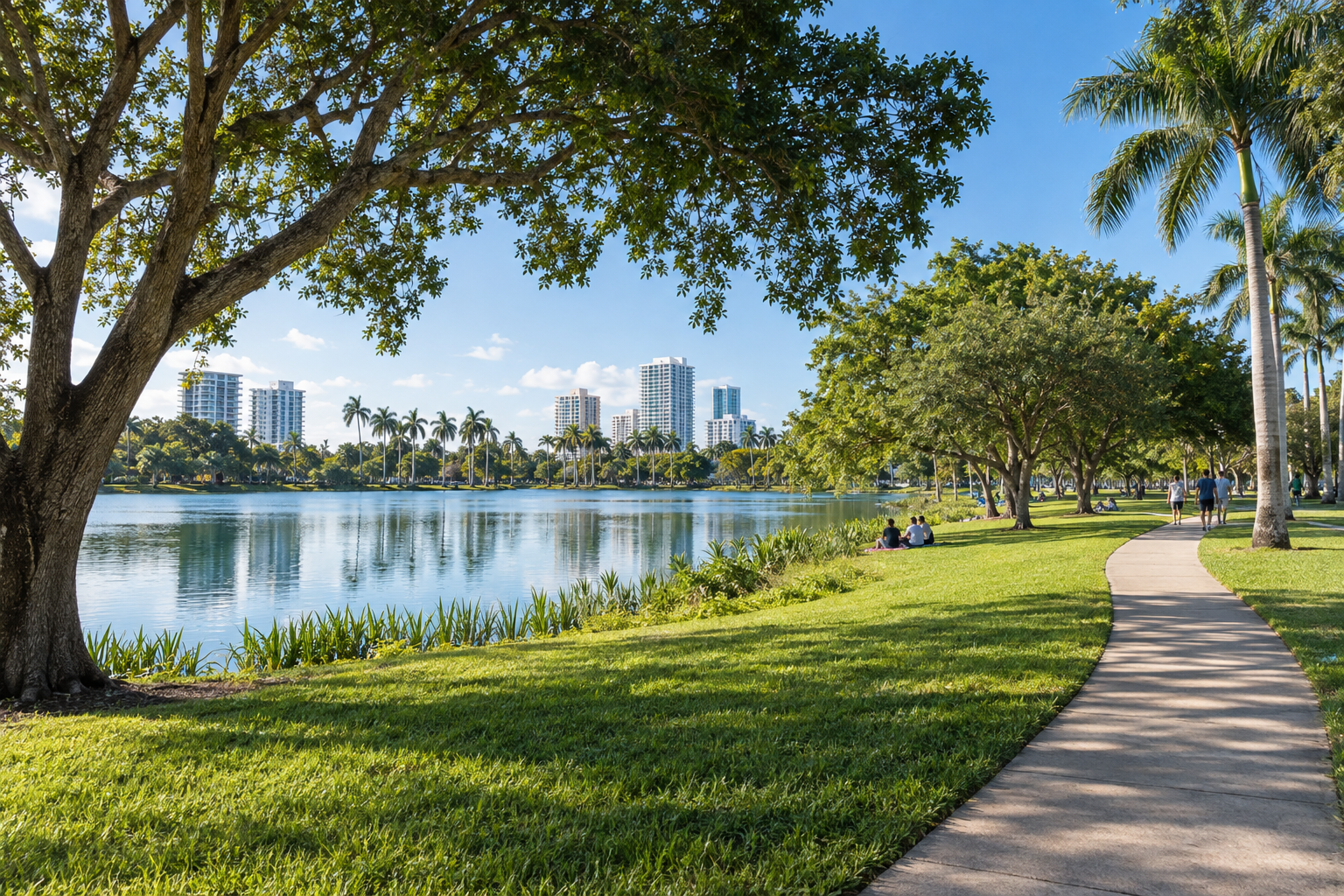
Hialeah is dense and built out, so its parks matter more than they would in a sprawling suburb. The city runs its own parks department, and Miami-Dade County runs the biggest green space in town.
| Park | Run by | Address | Highlights |
|---|---|---|---|
| Amelia Earhart Park | Miami-Dade County | 401 East 65th Street | Lake, cable wakeboarding, bike trails, dog park, farm village |
| Milander Park | City of Hialeah | Palm Avenue, 4700 block | Pool, fields, Milander Center for Arts & Entertainment |
| Goodlet Park | City of Hialeah | 4200 West 8th Avenue | Pool, tennis, baseball fields |
| Babcock Park | City of Hialeah | East side, near Hialeah Park | Pool, playground, community center |
Amelia Earhart Park
This is the one to pick for a full day. It is a large county park with a fishing lake, a cable wakeboard park operated by a concession, mountain bike trails, a fenced dog park and the Bill Graham Farm Village with farm animals for small kids. Picnic shelters are rentable through Miami-Dade Parks.
The county charges a per-vehicle parking fee on weekends and holidays. Weekdays are usually free. The current fee and gate hours are listed on the Miami-Dade Parks page for the park, and they do change, so check before you load the car.
Local tip
Enter Amelia Earhart from East 65th Street early on Saturday. The lot near the dog park and farm village fills by late morning, and the overflow lot adds a long hot walk.
City parks and pools
The city pools at Milander, Goodlet and Babcock are the cheapest way to cool off in summer. Resident and non-resident rates differ. Seasonal hours and swim lesson registration are posted by the city’s Parks and Recreation department, usually in spring.
Food: where locals actually eat
Hialeah’s food scene is Cuban first and everything else second. The best meals come from counters, not dining rooms.
The ventanita is the signature. These walk-up windows sell cafecito, cortaditos, pastelitos and croquetas from early morning until late. Any busy one on West 49th Street or Palm Avenue will do, and the line of workers in uniforms at 7 a.m. is your quality signal.
For sit-down Cuban, Molina’s Ranch Restaurant has been a family standard for decades. Morro Castle is where locals send visitors for a frita, the Cuban burger with shoestring potatoes. El Palacio de los Jugos sells fresh juice and cafeteria-style roast pork by weight, and its Hialeah location is as loud and good as the original.
Beyond Cuban, the city has deep Nicaraguan, Colombian and Dominican pockets. The strip plazas along West 49th Street and West 12th Avenue reward wandering. Menus are often Spanish only, so point and ask.
Good to know
Many smaller counters are cash preferred and close early on Sunday. Parking in the strip plazas along 49th Street is tight at lunch, and towing in private lots is enforced.
Shopping
Westland Mall at 1675 West 49th Street is the city’s enclosed mall, anchored by Macy’s and JCPenney with the usual mid-range chains and a large food court. It is smaller than the regional malls and busiest on weekend evenings.
The stretch of West 49th Street between the Palmetto and Red Road is called Palm Springs Mile, a long run of plazas with grocery stores, Cuban bakeries, pharmacies, discount clothing and cell phone shops. It is the city’s real main street for errands.
For bigger shopping trips, Dolphin Mall in Sweetwater is about 15 minutes southwest by Palmetto and Dolphin Expressway. Aventura Mall is a longer drive northeast. Both are covered in our separate guides.
Arts, culture and events
The Leah Arts District grew out of a few warehouse blocks on the east side where the city invited muralists to paint starting in 2015. Dozens of large murals now cover the walls, and the district hosts periodic art walks and festivals. Daytime visits are easy and free. Check the city’s events calendar for the next organized walk.
The Milander Center for Arts & Entertainment on Palm Avenue hosts concerts, theater and community events, and its calendar is where most city-sponsored festivals land. The city’s own site also lists recurring events like bilingual storytimes, homework help and computer workshops at the libraries.
Hialeah celebrates Cuban holidays loudly. The weeks around the Three Kings Day in January and the Cuban Independence Day period in May bring parades, street fairs and live music on Palm Avenue. Dates and street closures are announced on the city’s website and social accounts a few weeks ahead.
Government offices, courts and services
Hialeah handles more of its own services than most Miami-Dade cities. Knowing which office belongs to the city and which belongs to the county saves a wasted trip.
| Need | Who handles it | Where to start |
|---|---|---|
| Water and sewer account | City of Hialeah Water & Sewers | City Hall, 501 Palm Avenue |
| Building permits, business tax receipt | City of Hialeah | City Hall, 501 Palm Avenue |
| Police non-emergency | Hialeah Police Department | 5555 East 8th Avenue |
| Traffic tickets, small claims, misdemeanors | Miami-Dade Clerk of Courts | Hialeah Courthouse, 11 East 6th Street |
| Property taxes, tags, titles | Miami-Dade County | County tax collector offices |
| Library cards | Hialeah Public Libraries | John F. Kennedy Library, 190 West 49th Street |
| Trash and recycling | City of Hialeah | City Hall or the city’s sanitation page |
The Hialeah Courthouse is a branch of the Miami-Dade County court system. It handles traffic, small claims and misdemeanor matters for the area. Hours, docket lookups and payment options are on the Miami-Dade Clerk of Courts site, not the city’s.
The city library system is separate from Miami-Dade Public Library. A Hialeah library card does not work at county branches and vice versa, though residents of the city are eligible for both. The JFK Library on West 49th Street is the main branch and the easiest place to sign up.
When to get help
Call the city’s main number listed on its website for utility billing, permits and sanitation. For anything on a court docket, call the Miami-Dade Clerk of Courts or hire a Florida-licensed attorney. For county parks, property taxes or vehicle tags, start with Miami-Dade County, not City Hall.
Living in Hialeah
People who move here usually do it for family, price or proximity. Housing costs less than Miami Beach, Coral Gables or Doral, and the city is 15 minutes from the airport, 20 from downtown and 25 from the beach in light traffic.
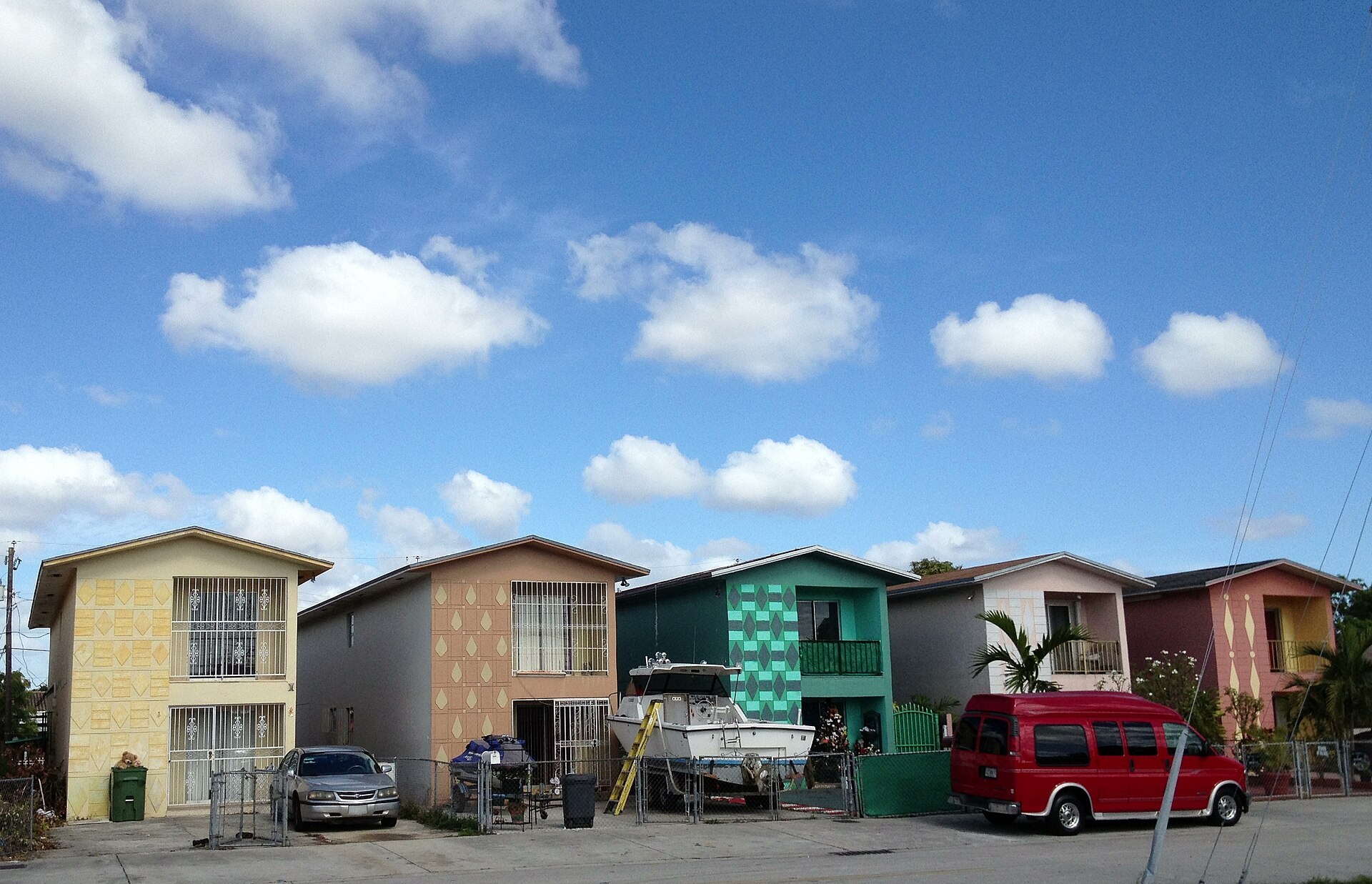
The tradeoffs are density, traffic and heat. Hialeah is one of the most densely populated cities in Florida. Streets are a grid of duplexes, small apartment buildings and strip plazas, with limited tree cover. Summer afternoons are regularly in the low 90s with daily storms from June into October.
Schools belong to Miami-Dade County Public Schools. Hialeah High, Hialeah-Miami Lakes High and American Senior High serve most of the city, with several charter options nearby. Miami Dade College’s Hialeah Campus on West 49th Street and Florida National University on West 20th Avenue cover higher education in town.
Hospitals include Hialeah Hospital and Palmetto General Hospital, both inside the city. Jackson Memorial and the University of Miami health campus are a short drive southeast.
Hurricane season runs June 1 through November 30. Most of the city is outside the county’s evacuation zones because it sits inland, but flooding from heavy rain is common on low streets. Check your address against the Miami-Dade evacuation map when you move in.
Nearby places worth the drive
| Destination | Direction | Rough drive time |
|---|---|---|
| Miami International Airport | South | 10 to 15 minutes |
| Downtown Miami | Southeast | 20 to 30 minutes |
| Hard Rock Stadium | Northeast | 15 to 25 minutes |
| Dolphin Mall | Southwest | 15 minutes |
| Haulover Beach | East | 30 to 40 minutes |
| Fort Lauderdale | North | 35 to 50 minutes |
Hard Rock Stadium in Miami Gardens is close enough that many Hialeah residents drive to Dolphins games and the Miami Open rather than fight I-95 from downtown. Miami International Airport is the closest major airport by a wide margin, and Metrorail’s Orange Line connects to the airport’s rail station.
Best time to visit
November through April is the sweet spot. Highs sit in the 70s and low 80s, rain is rare, and the Hialeah Park grounds are pleasant to walk. This is also festival season.
May through October is hot, humid and wet. Plan outdoor time before 11 a.m. or after 5 p.m., and treat afternoon thunderstorms as a daily given. Amelia Earhart’s lake and the city pools are the best bets in these months.
Weekday mornings are the quietest time for City Hall, the courthouse and the library. Avoid the first and last business days of the month for utility and permit counters.
FAQ
Is Hialeah, FL a good place to live?
For many families it is. Housing is cheaper than most of eastern Miami-Dade, the airport and downtown are close, and the Cuban community makes daily life easy for Spanish speakers. The costs are heavy traffic, high density and limited green space outside the big parks. Visit on a weekday afternoon before you commit.
What is Hialeah, FL known for?
Hialeah is known for its Cuban-American community, the largest share of any U.S. city, and for Hialeah Park, the racetrack that opened in 1922 and is home to a flock of resident flamingos. Ventanita coffee windows, the Leah Arts District murals and Amelia Earhart Park round out the list.
How close is Hialeah to Miami?
Hialeah City Hall is about 10 miles northwest of downtown Miami. The drive takes 20 to 30 minutes outside rush hour, and the Metrorail Green Line connects the two in roughly 25 minutes. The city borders the airport area to the south.
Is Hialeah considered part of Miami?
No. Hialeah is a separate incorporated city with its own mayor, council, police, libraries and water utility. It sits inside Miami-Dade County, so county services like property taxes, public schools and the court system are shared with Miami, but the two cities are distinct governments.