Miami is a city in Miami-Dade County at the southeastern tip of Florida, USA, set on Biscayne Bay about 30 miles south of Fort Lauderdale and roughly 160 miles by road from Key West. The name covers both the City of Miami, with about 442,000 residents at the 2020 census, and a three-county metro area of more than 6 million people that runs north through Broward and Palm Beach counties. This guide covers where things are, how to get around, which beaches and neighborhoods suit which trip, and the first errands you need to run if you are moving here.
Plan your visit
- Pick a base: Brickell, South Beach or Coral Gables.
- Price flights into MIA and Fort Lauderdale (FLL).
- Decide on a car or transit before you land.
- Check the event calendar for hotel price spikes.
- Plan beach mornings and indoor afternoons.
- Keep one day for the Everglades or the Keys.
- Check beach flags and the forecast each morning.
Where Miami is, and which Miami you mean
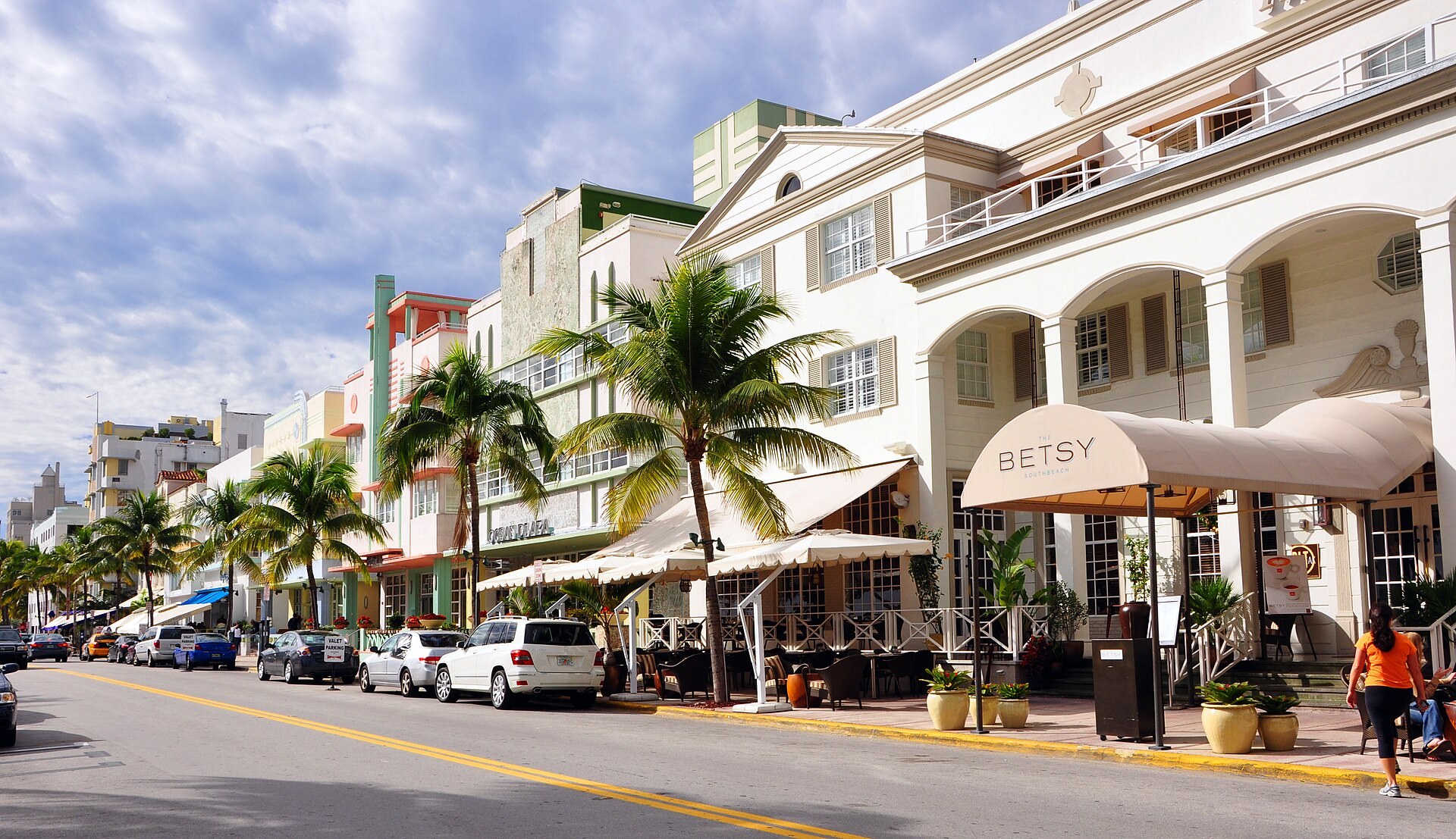
People search “Florida or Miami” because the two get used as if they were interchangeable, and they are not. Florida is the state; Miami is one city inside it, located in the far south of the peninsula between the Everglades to the west and the Atlantic Ocean to the east. When you see “Miami, FL, US” on a booking site or “Miami, United States” on a flight board, it refers to this city or its airport, MIA.
There are other Miamis in America, which explains a lot of confused searches. Miami University is in Oxford, Ohio, not Florida, and there is a small city called Miami in northeastern Oklahoma. If a ticket, school letter or shipping label says Miami without a state, check the ZIP code: South Florida Miami ZIPs start with 331, and Miami Beach uses 33139, 33140 and 33141.
City of Miami, Miami Beach and Miami-Dade are three different things
This is the single most useful fact for a new resident and the one most guides skip. The City of Miami is a municipality with its own mayor, commission, police department and garbage service. Miami Beach is a separate city on a barrier island across Biscayne Bay, with its own police, parking rules and resort taxes. Miami-Dade County is the government above both, running the airport, the seaport, the public transit system, the library system and services for the large unincorporated areas that belong to no city at all.
Your postal address can mislead you. Hundreds of thousands of people in unincorporated neighborhoods such as Kendall, Westchester and parts of Kendale Lakes have “Miami, FL” on their mail but live outside the City of Miami. That decides who picks up your trash, who answers a non-emergency police call, which office issues your building permit and whose commission meetings set your local rules.
| Your address is in | Who runs local services | Example neighborhoods |
|---|---|---|
| City of Miami | City of Miami government | Brickell, Wynwood, Little Havana, Coconut Grove |
| Miami Beach | City of Miami Beach | South Beach, Mid-Beach, North Beach |
| Another municipality | That city (Coral Gables, Doral, Hialeah and others) | Coral Gables, Doral, Hialeah |
| Unincorporated Miami-Dade | Miami-Dade County directly | Kendall, Westchester, Ives Estates |
Local tip
To confirm which jurisdiction you live in, look up your address on the Miami-Dade Property Appraiser’s property search. The record lists the municipality, or shows unincorporated Miami-Dade if there is none.
Miami by the numbers
You do not need demographic data to enjoy a weekend, but a handful of figures explain how the place works, from the language you hear at the counter to the tax on your receipt.
| Fact | Detail |
|---|---|
| City of Miami population | About 442,000 (2020 census) |
| Miami-Dade County population | About 2.7 million (2020 census) |
| Metro area | Miami, Fort Lauderdale and West Palm Beach, over 6 million |
| Sales tax in Miami-Dade | 7% (6% state plus 1% county) |
| State income tax | None in Florida |
| Hurricane season | June 1 to November 30 |
| Time zone | Eastern |
| Main languages | English and Spanish; Haitian Creole widely spoken |
Miami-Dade is roughly two-thirds Hispanic or Latino, and more than half of county residents were born outside the United States. In practice, you will hear Spanish at the bakery counter, on local radio and in county offices, and most public information from the county and the larger cities is published in English, Spanish and Haitian Creole. You can get by entirely in English, but a few words of Spanish go a long way in Little Havana, Hialeah and Westchester.
Getting to Miami
Airports
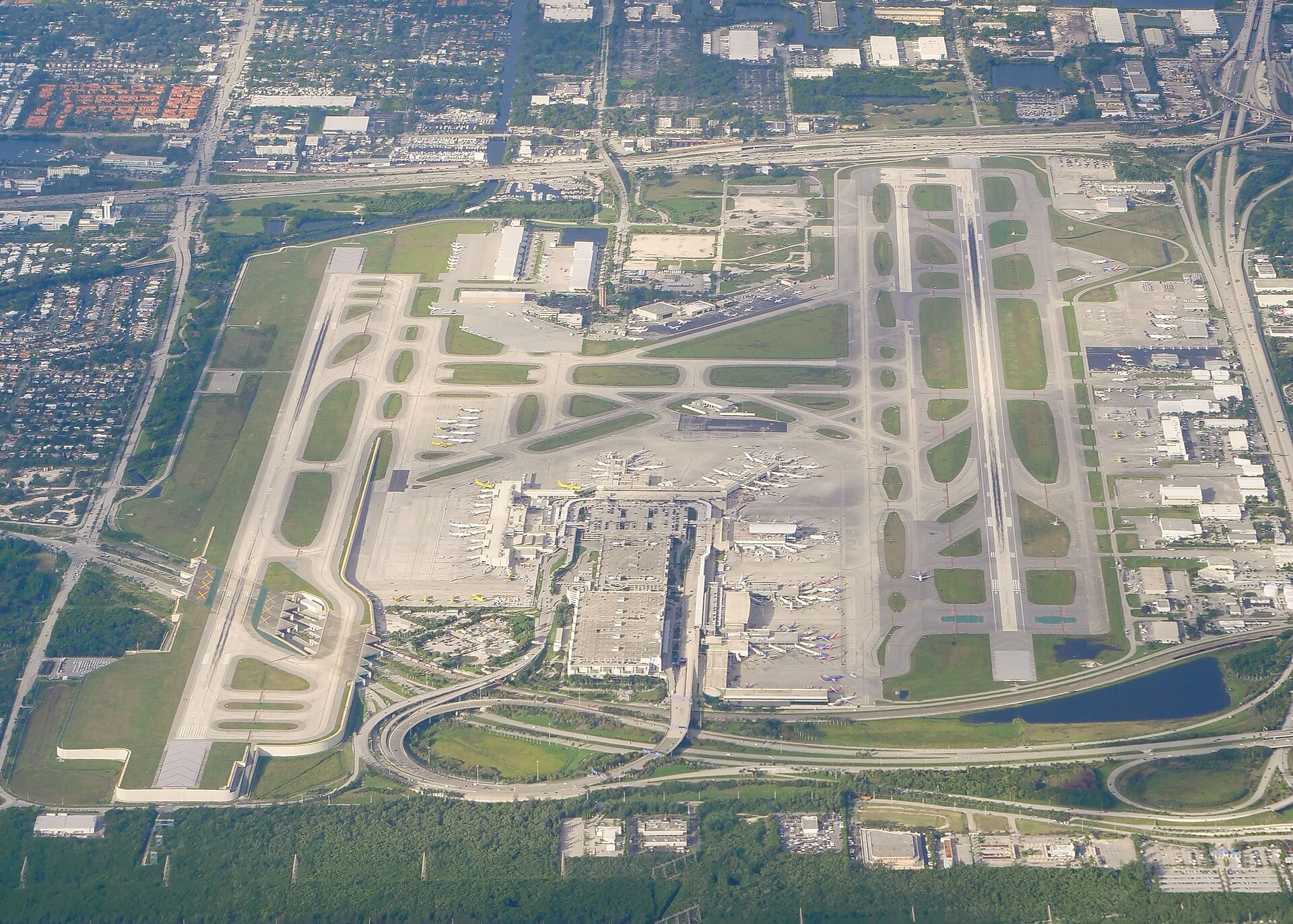
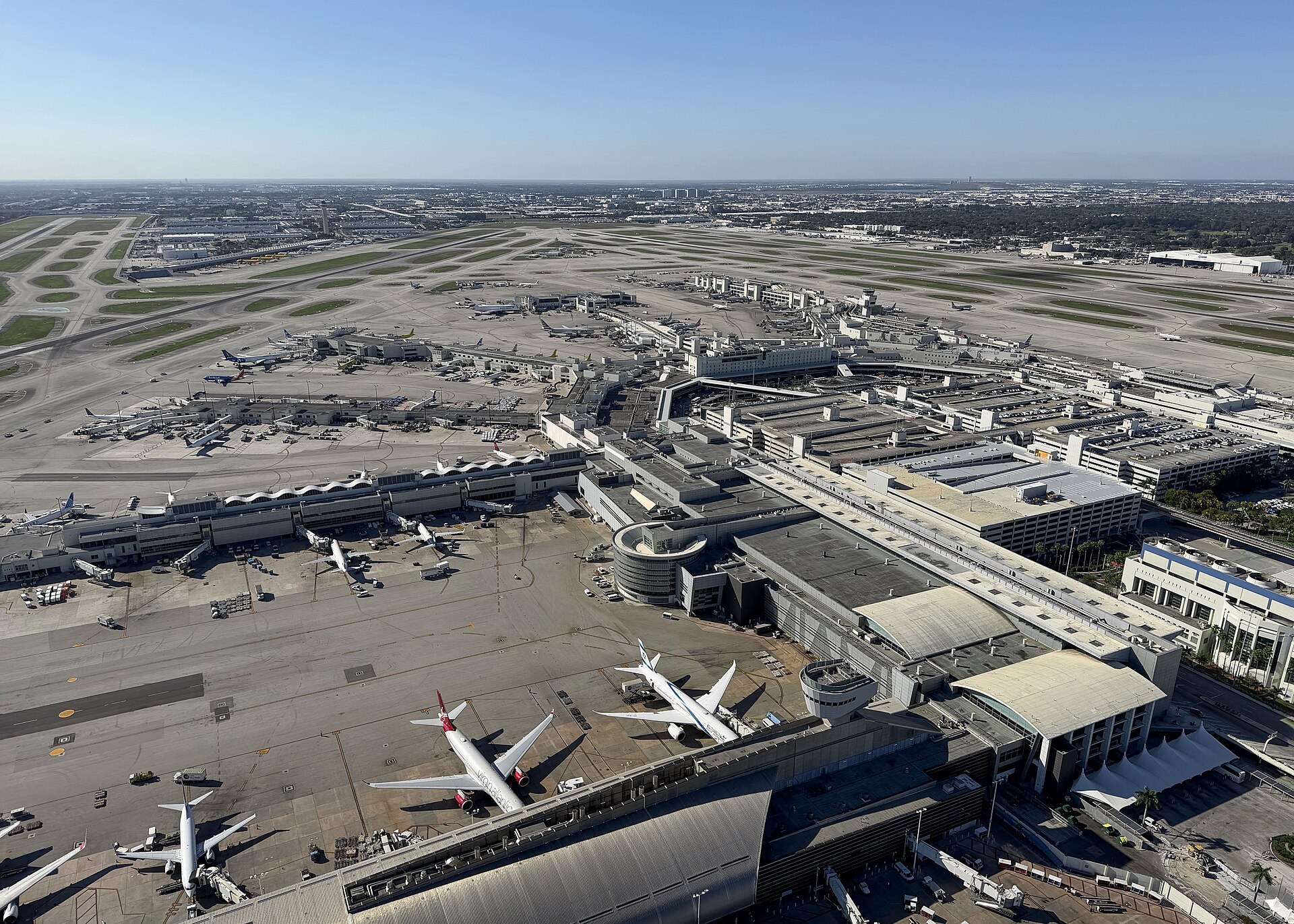
Miami International Airport (MIA) sits about 8 miles west of downtown and is the main gateway, with especially deep service to Latin America and the Caribbean. Fort Lauderdale-Hollywood International (FLL), about 25 miles north, often has cheaper domestic fares and lower-cost carriers, and Palm Beach International (PBI) suits you if your trip leans toward Palm Beach County. Compare total cost, including the ride from the airport, because a cheap FLL fare can lose its edge once you add an hour on I-95 at rush hour.
From MIA, the free MIA Mover people mover links the terminal to the Miami Intermodal Center, where you can catch the Metrorail Orange Line toward downtown, Tri-Rail north toward Broward and Palm Beach, or the rental car center. Taxis and rideshare pickups use designated areas outside arrivals; follow the airport signs rather than accepting a ride from someone who approaches you inside the terminal.
Rail and road
Brightline, the private intercity train, runs from its MiamiCentral station downtown to Aventura, Fort Lauderdale, Boca Raton and West Palm Beach, then on to Orlando International Airport. It is the most comfortable way to link Miami with Orlando without driving the Florida Turnpike, and fares vary by date and class, so check Brightline’s booking page for current prices.
Tri-Rail is the cheaper commuter train between Miami-Dade, Broward and Palm Beach counties, and some trains now continue into MiamiCentral downtown; others end at the Miami Airport station. Confirm on the Tri-Rail schedule which trains serve which Miami stop before you plan a connection.
By car, Miami is reached on I-95 along the coast and Florida’s Turnpike to the west. Many major roads carry tolls, including express lanes on I-95 and parts of State Road 836 (the Dolphin Expressway). Tolls are collected electronically with SunPass, compatible transponders or toll-by-plate billing; there are no cash booths on most routes.
Good to know
Rental companies bill tolls through their own programs, often with a daily convenience fee on top of the tolls themselves. Read the toll terms at the counter, or bring a compatible transponder if the rental agreement allows it.
Getting around Miami
Miami is spread out, and most residents drive. As a visitor, though, you can manage without a car if you base yourself in Brickell, downtown or South Beach and accept rideshare for the longer hops.
Miami-Dade transit
Miami-Dade County runs the public transportation network, and the GO Miami-Dade Transit app handles trip planning and mobile fares. The main pieces are:
- Metrorail. An elevated rail line in two branches. The Green Line runs from Dadeland South through South Miami, the University of Miami station, Coconut Grove, Vizcaya, Brickell and downtown to Palmetto. The Orange Line shares that track through the core and branches to the airport. A standard fare is $2.25 at the time of writing; confirm on Miami-Dade Transit’s fares page.
- Metromover. A free, automated people mover looping through downtown, Brickell and Omni. It is the easiest way to reach Bayside Marketplace, the Kaseya Center, the Pérez Art Museum and the Adrienne Arsht Center without parking.
- Metrobus. The county bus network, including routes across the causeways to Miami Beach. Service frequency varies a lot by route, so check real-time arrivals in the app.
You pay with an EASY Card, the app, or a contactless bank card on many services. Transfers between bus and rail are available within a set window; the transit website lists the current rules.
Free trolleys and on-demand rides
Several cities run free trolleys on their own networks. The City of Miami Trolley covers routes through Little Havana, Wynwood, Coconut Grove, Brickell and other neighborhoods. Coral Gables and Miami Beach run their own free trolleys. In many municipalities, Freebee operates small electric vehicles you can book through an app for short trips within set zones, often free and occasionally with a tip expected. Each city publishes its own routes and hours, so check the specific city’s transportation page.
Driving and parking
If you drive, plan around traffic rather than distance. A 10-mile trip from Kendall to Brickell can take 20 minutes at midnight and an hour at 5:30 p.m. The causeways to Miami Beach (MacArthur, Venetian, Julia Tuttle and others) clog on weekends and event nights. The Rickenbacker Causeway to Key Biscayne carries a toll.
Street parking in Miami and Miami Beach is mostly paid through meters or pay-by-phone apps, and each zone posts its rates and hours on signs. Miami Beach in particular enforces parking strictly, raises rates in busy areas, and can impose special restrictions during spring break and major events. Towing is fast and expensive, so read every sign, including the ones on private lots behind restaurants.
Local tip
For South Beach, park in a municipal garage such as the ones along Collins Avenue and near Lincoln Road instead of circling for a meter. You lose fewer minutes and avoid most of the towing risk.
Neighborhoods worth knowing
Miami is best understood as a set of very different districts. Here is where you will spend most of your time.
Downtown and Brickell
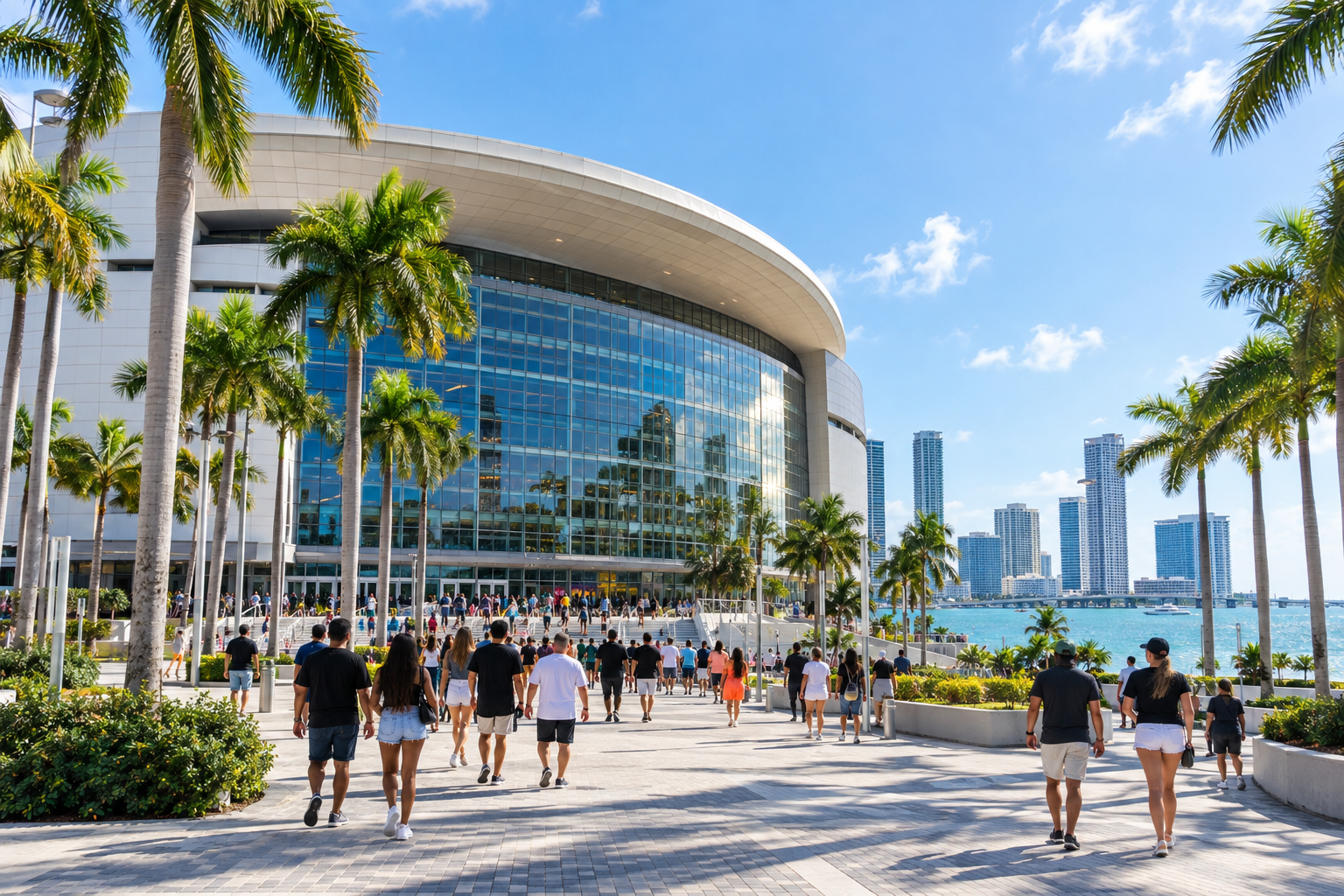
Downtown holds the government center, Bayfront Park, Bayside Marketplace, the Kaseya Center (home of the Miami Heat) and Museum Park, where the Pérez Art Museum Miami and the Phillip and Patricia Frost Museum of Science sit side by side on the bay. The main branch of the Miami-Dade Public Library System is downtown at 101 W. Flagler St. in the Cultural Plaza.
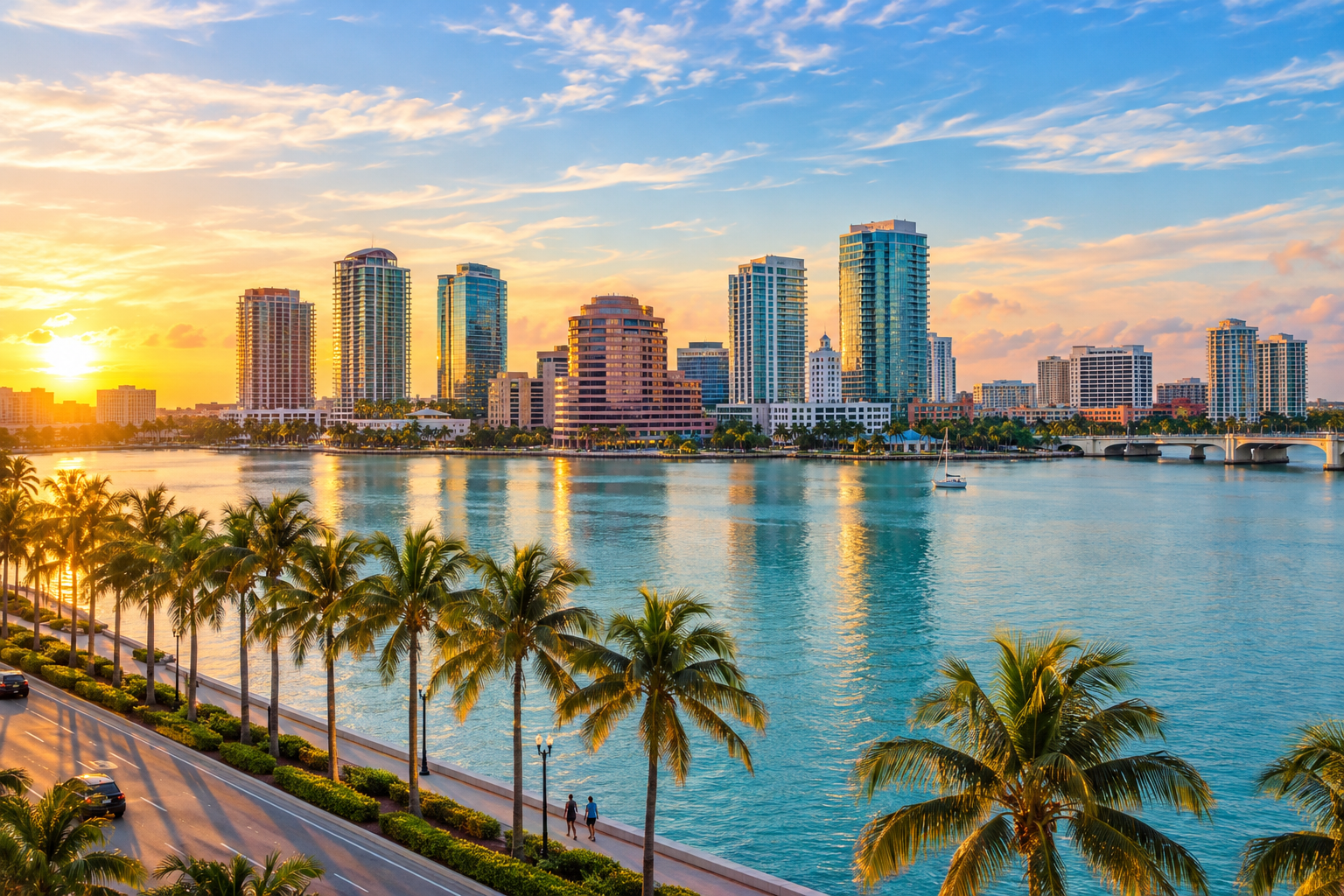
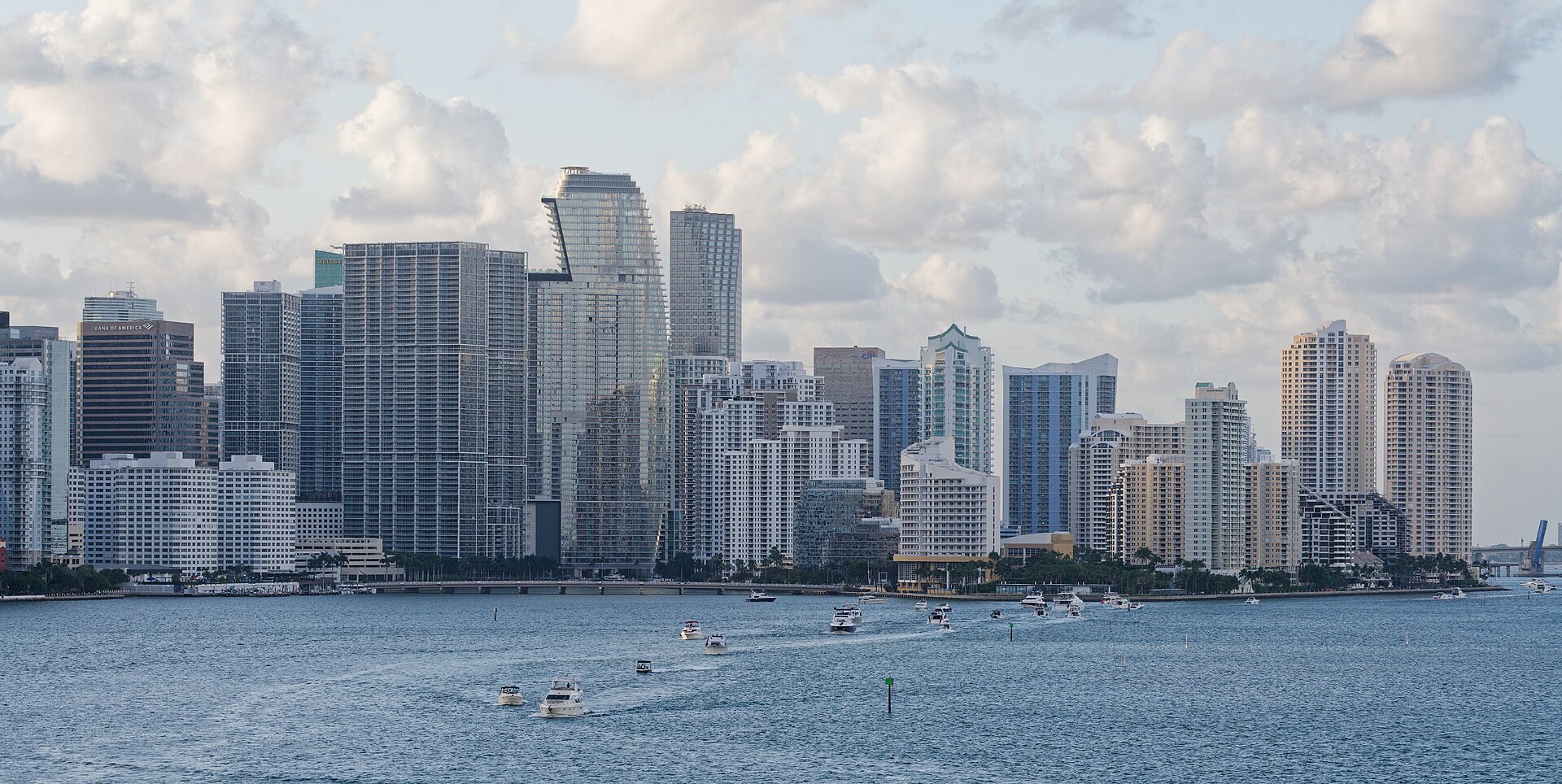
Brickell, just south across the Miami River, is the financial district and the densest residential neighborhood in the city, with high-rises, restaurants along Brickell Avenue and the Brickell City Centre shopping complex. It is the best base for a car-free visit because Metromover and Metrorail both run through it. North of downtown, the Park West nightlife strip includes E11even Miami, the round-the-clock club that draws a lot of out-of-town visitors.
Wynwood and the Design District
Wynwood is a former warehouse district turned into an outdoor gallery. The Wynwood Walls, opened in 2009, charge admission for the curated core, but the murals on the surrounding streets are free to walk. Expect breweries, galleries, street food and heavy weekend crowds. Daytime is better for photos; Saturday night is better for bars.
The Miami Design District, a few blocks north, is a planned luxury shopping area with designer flagships, public art installations and the Institute of Contemporary Art, Miami, which has historically offered free admission with an online reservation. Garages in the district make parking simpler than in Wynwood.
Little Havana
Little Havana centers on Calle Ocho (SW 8th Street) west of Brickell. Walk the stretch around SW 15th Avenue to see older men playing dominoes at Máximo Gómez Park, known locally as Domino Park, and stop for a cafecito at a ventanita (a walk-up coffee window). Versailles, farther west on 8th Street, is the best-known Cuban restaurant in the city. Evenings bring live music at venues such as Ball & Chain. loanDepot park, the Miami Marlins’ retractable-roof ballpark, is in the neighborhood on the former Orange Bowl site.
Coconut Grove and Coral Gables
Coconut Grove is the leafy bayfront neighborhood south of Brickell, with marinas, sailing clubs, Peacock Park and Vizcaya Museum and Gardens, the Italian Renaissance-style estate built for industrialist James Deering on South Miami Avenue. Metrorail’s Vizcaya and Coconut Grove stations bring you within walking distance or a short trolley ride of both.
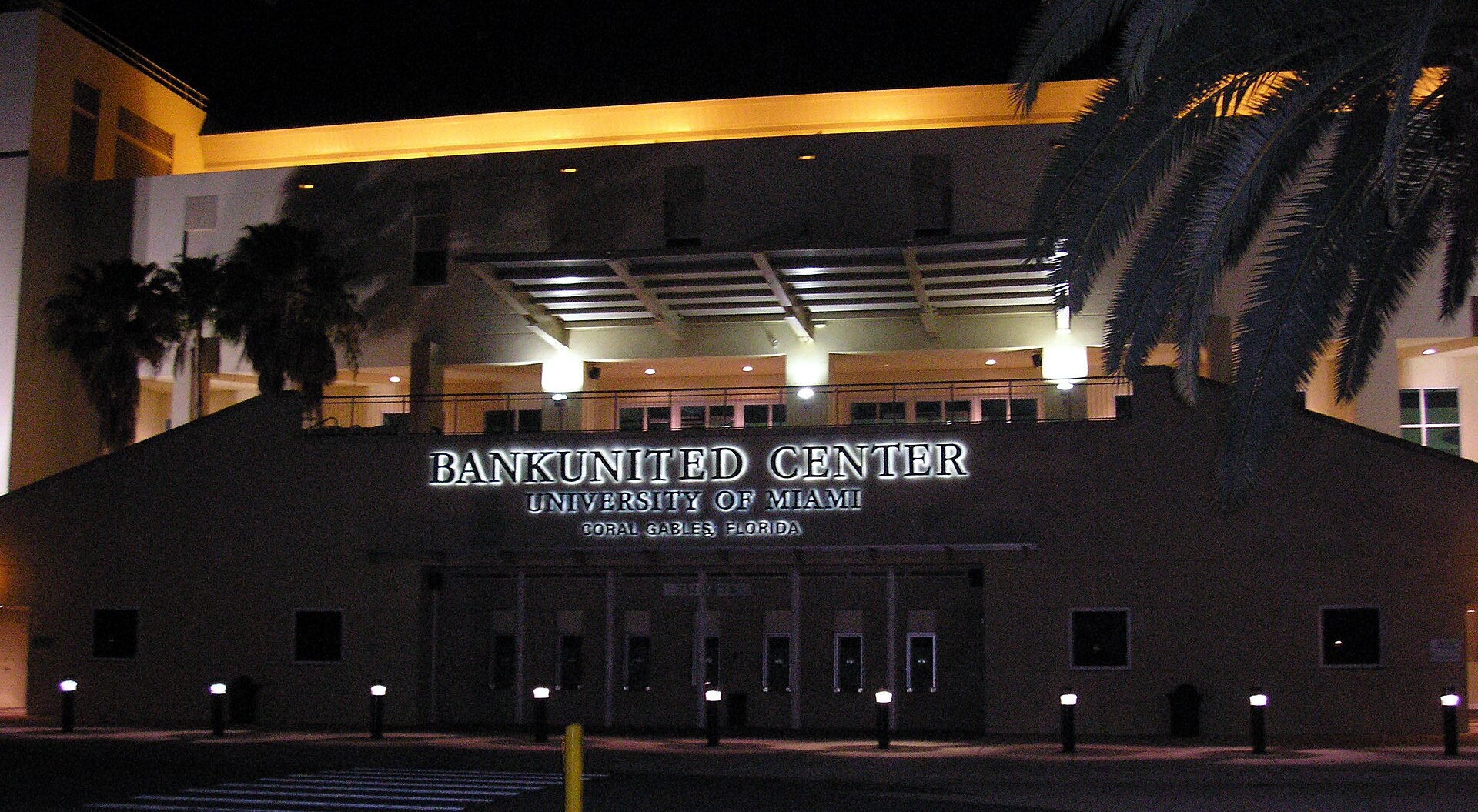
Coral Gables is a separate city just west, planned in the 1920s with Mediterranean Revival architecture, banyan-lined streets and strict design codes. Its highlights include the Venetian Pool, a spring-fed public pool built in an old coral rock quarry, the historic Biltmore Hotel, Miracle Mile for shopping, and Fairchild Tropical Botanic Garden at its southern edge. The University of Miami’s main campus sits in Coral Gables as well.
Little Haiti and Allapattah
Little Haiti, north of the Design District, is the heart of Miami’s Haitian community, anchored by the Little Haiti Cultural Complex and its regular cultural programming. Allapattah, west of Wynwood, has the large Miami Produce Center markets, Dominican restaurants and the Rubell Museum, a major contemporary art collection. Both neighborhoods are changing fast, and both reward a visit by daylight with an appetite.
Miami Beach
Miami Beach is the separate island city most first-time visitors picture when they say “Miami.” South Beach (south of roughly 23rd Street) contains the Miami Beach Architectural District, with hundreds of Art Deco and Mediterranean Revival buildings along Ocean Drive and Collins Avenue. The Art Deco Welcome Center on Ocean Drive, run by the Miami Design Preservation League, offers walking tours. Lincoln Road is a pedestrian mall for shopping and people-watching, and South Pointe Park at the island’s southern tip has a fishing pier and the best view of cruise ships leaving PortMiami.
Mid-Beach and North Beach are quieter, with long stretches of boardwalk and fewer late-night crowds. Farther north, Surfside, Bal Harbour and Sunny Isles Beach are separate towns with their own beaches and high-rise condos.
Find your beach
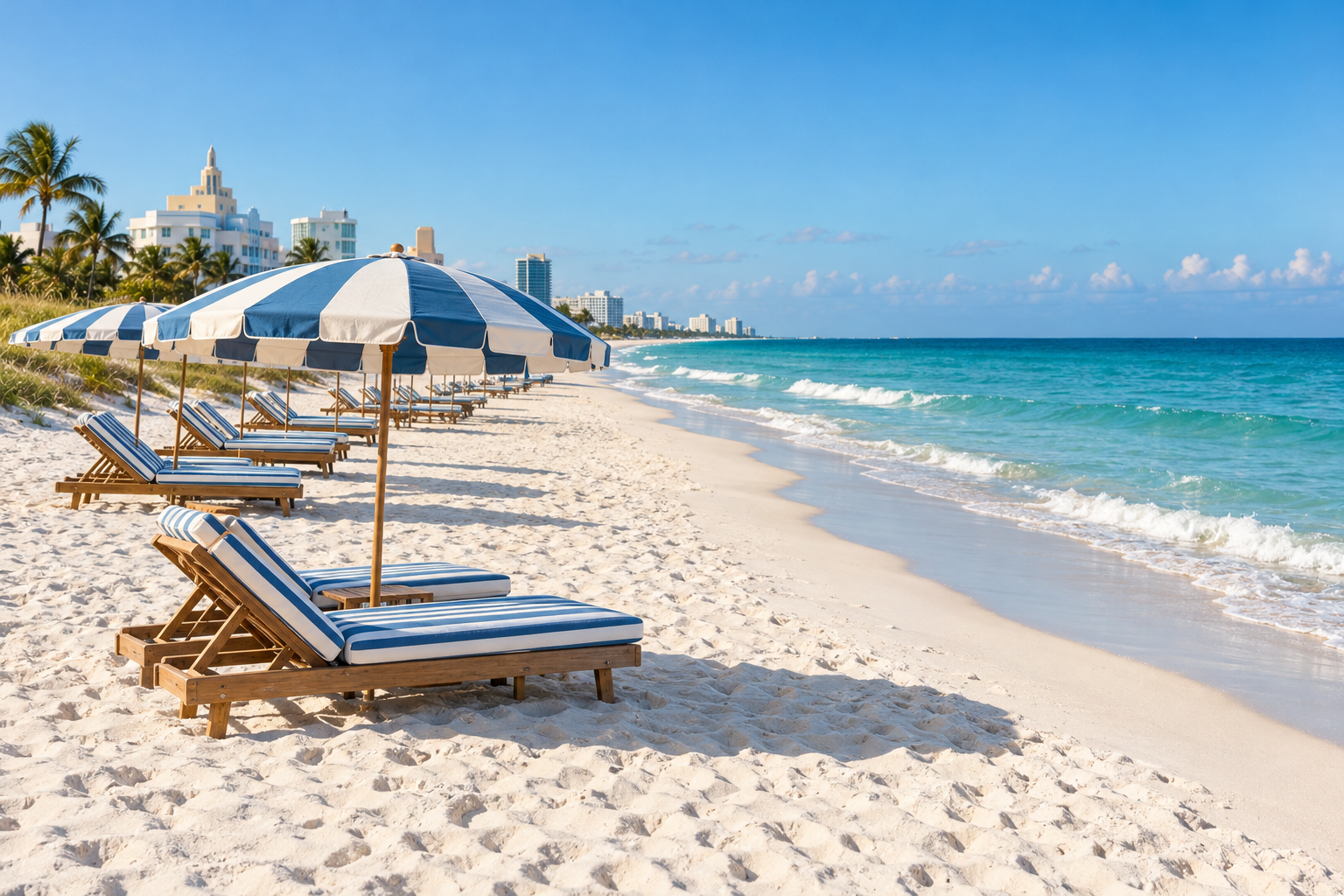
Miami-Dade’s coastline runs from Sunny Isles in the north to Key Biscayne in the south, with sand facing the Atlantic and calmer shores facing Biscayne Bay. The right beach depends on whether you want scene, calm water or space.
| Beach | Where | Best for | Parking |
|---|---|---|---|
| Lummus Park | South Beach, along Ocean Drive | Classic Miami scene, people-watching | Metered streets and city garages |
| South Pointe Park | Southern tip of Miami Beach | Families, pier, shade, quieter mornings | Paid lots and garages |
| North Beach / 72nd to 85th St | Northern Miami Beach | Fewer crowds, boardwalk walks | Easier street parking |
| Haulover Beach | Between Bal Harbour and Sunny Isles | Wide sand, kite flying; northern section is clothing-optional | Paid county lots |
| Crandon Park | Key Biscayne | Shallow, calm water for kids | Paid county lots, Rickenbacker toll |
| Bill Baggs Cape Florida State Park | Southern Key Biscayne | Lighthouse, nature trails, uncrowded sand | State park vehicle fee |
| Matheson Hammock Park | Coral Gables, on the bay | Atoll pool safe for toddlers | Paid county lot |
The Cape Florida Lighthouse in Bill Baggs, dating to 1825, is the oldest standing structure in Miami-Dade County, and the park offers lighthouse tours on a set schedule. Check Florida State Parks for current tour times and the vehicle entry fee.
Read the flags
Lifeguarded beaches fly Florida’s standard warning flags. Green means low hazard, yellow means medium hazard with moderate surf or currents, red means high hazard, and double red means the water is closed to the public. A purple flag means dangerous marine life, usually jellyfish or Portuguese man o’ war, which wash in on east winds.
Good to know
Rip currents can pull strong swimmers away from shore even on sunny days. Swim near a staffed lifeguard tower, and if you get caught, swim parallel to the beach until you are out of the current, then head in.
Summer also brings sargassum seaweed to some Atlantic beaches; it is harmless to touch but smells as it rots. Miami-Dade and Miami Beach post beach conditions on their websites, and the National Weather Service Miami office publishes daily rip current risk.
What to bring to the beach
- Reef-safe sunscreen (SPF 30 or higher) and a hat
- More water than you think you need
- Cash or a card for parking and drinks
- Water shoes for rocky bay-side spots
- A light cover-up for walking into shops and restaurants
Places to go and things to do
Museums and culture
The cultural core is compact. The Pérez Art Museum Miami (PAMM) focuses on modern and contemporary art, with an emphasis on the Americas and the Caribbean, and its hanging gardens frame the bay. Next door, Frost Science combines a planetarium with a multilevel aquarium. The Adrienne Arsht Center for the Performing Arts, a short Metromover ride north, hosts Broadway tours, the Florida Grand Opera and the Miami City Ballet’s seasons.
Beyond downtown, Vizcaya in Coconut Grove and the Wolfsonian–FIU design museum in South Beach reward slower visits. The Rubell Museum in Allapattah and the ICA in the Design District cover contemporary art. Admission prices and free days change, so confirm on each museum’s official site before you go; several offer reduced admission or free days for Miami-Dade residents with proof of address.
Parks and nature
Miami’s parks run from small pocket parks to two national parks within an hour’s drive.
- Bayfront Park and Maurice A. Ferré Park in downtown host concerts, festivals and open lawn along the water.
- Fairchild Tropical Botanic Garden in Coral Gables has a large collection of palms and tropical plants, a butterfly conservatory and seasonal events, including a well-known mango festival in summer.
- Oleta River State Park in North Miami is Florida’s largest urban state park, with mountain biking trails and kayak rentals through the mangroves.
- Everglades National Park begins west of the city. Shark Valley, off Tamiami Trail (US 41), has a 15-mile paved loop you can walk, bike or tour by tram, with alligators often visible from the path. The Ernest F. Coe Visitor Center near Homestead is the gateway to the southern section. Check the National Park Service site for the current vehicle entrance fee and seasonal tram schedules.
- Biscayne National Park, south near Homestead, is about 95 percent water. The Dante Fascell Visitor Center at Convoy Point is free, and the park’s concessioner runs boat, snorkel and paddling trips; book ahead in winter.
Sports
Professional sports give you a clear reason to plan a trip around the calendar, and every major team plays within an hour’s drive.
| Team | League | Venue | Season |
|---|---|---|---|
| Miami Heat | NBA | Kaseya Center, downtown | October to April, plus playoffs |
| Miami Marlins | MLB | loanDepot park, Little Havana | Late March to September |
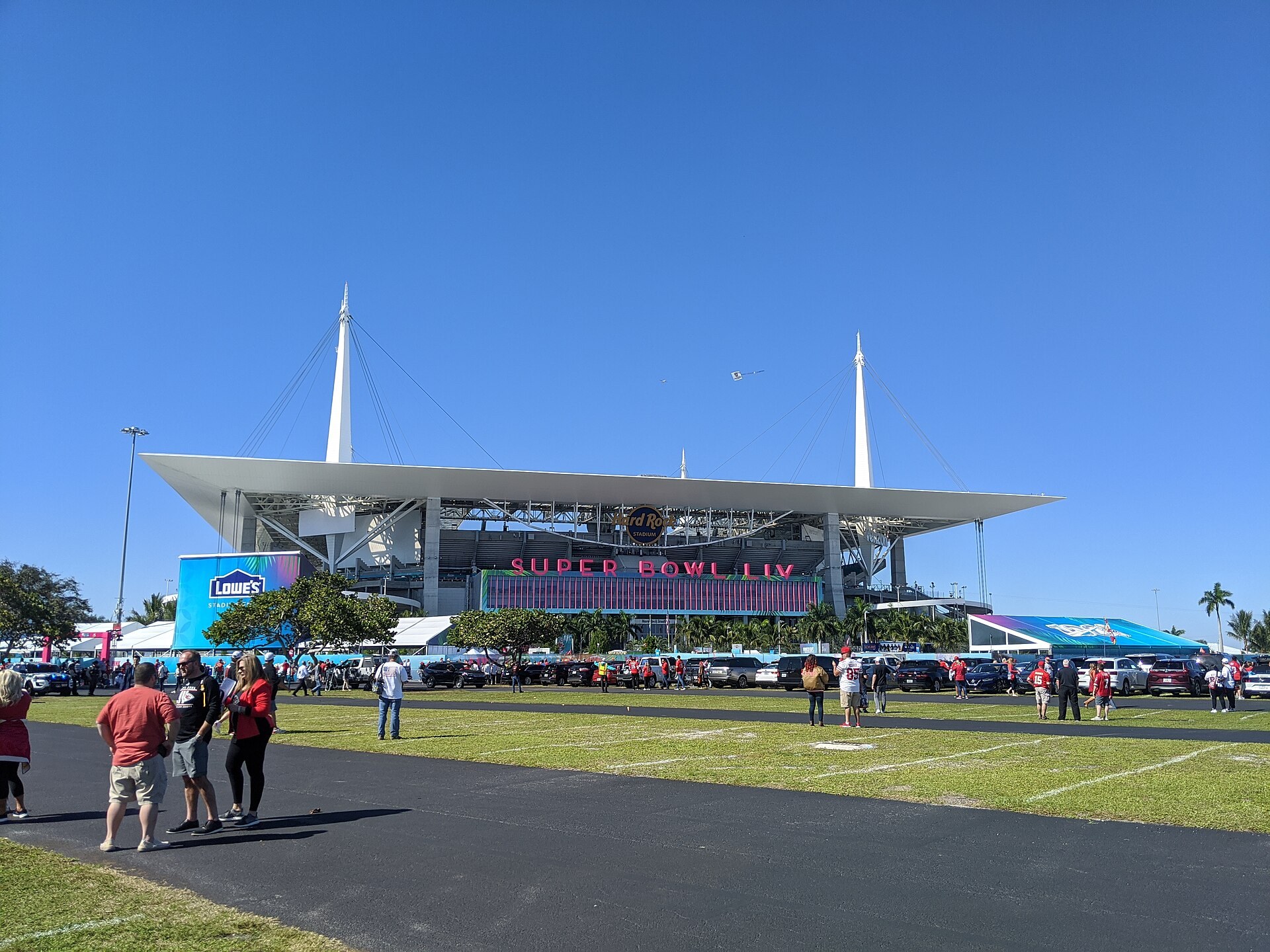
| Miami Dolphins | NFL | Hard Rock Stadium, Miami Gardens | September to January |
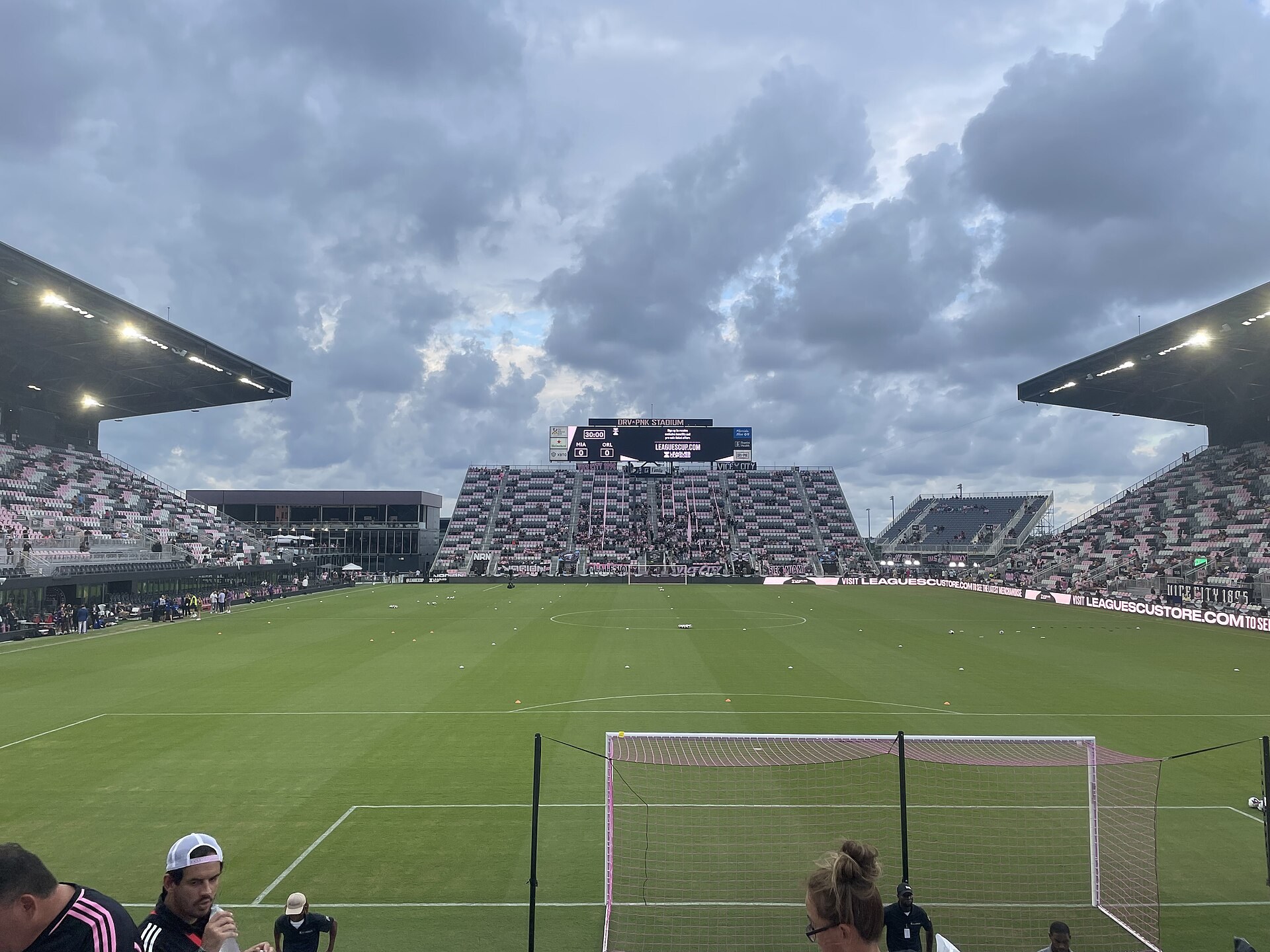
| Inter Miami CF | MLS | Chase Stadium, Fort Lauderdale | Late February to October |
| Florida Panthers | NHL | Amerant Bank Arena, Sunrise | October to April, plus playoffs |
| Miami Hurricanes | NCAA football | Hard Rock Stadium | Fall |
Inter Miami is building a new stadium, Miami Freedom Park, near the airport; check the club for the timing of the move before you book. Hard Rock Stadium also hosts the Miami Open tennis tournament and the Formula 1 Miami Grand Prix, which runs on a temporary circuit around the stadium.
Buy tickets through each team’s official ticket office or the league’s authorized resale platform. Kaseya Center is the easiest venue to reach by transit, with Metromover stops right outside. Hard Rock Stadium in Miami Gardens is largely a drive-and-park venue, so pre-pay parking and budget time for traffic on the Turnpike and Florida’s 826 (Palmetto Expressway).
Food and nightlife
Cuban food is the baseline, from a $2 cafecito to a full plate of ropa vieja, but Miami’s restaurant scene draws on Peru, Venezuela, Colombia, Haiti, Nicaragua and the wider Caribbean. Stone crab season, which runs from mid-October into May under Florida’s harvest rules, is a local event in itself. Miami Spice, the area’s annual restaurant program, offers prix-fixe menus at participating restaurants through August and September, the slow season.
Nightlife is concentrated in South Beach, Brickell, Wynwood and Park West, and it starts late. Many clubs do not get busy until after midnight, cover charges and table minimums can be steep, and dress codes are enforced. Confirm the policy directly with the venue rather than through third-party promoters.
Miami with kids
Families tend to do best mixing one big outing a day with pool or beach time, because the heat drains small children fast from May onward.
- Zoo Miami in southwest Miami-Dade is a large, cageless zoo organized by geographic region. Arrive at opening; the walking distances are long and shade is limited by midday.
- Frost Science downtown pairs the aquarium and planetarium with hands-on exhibits that work for school-age kids.
- Miami Children’s Museum and Jungle Island sit on Watson Island along the MacArthur Causeway, between downtown and South Beach.
- Venetian Pool in Coral Gables has waterfalls, grottoes and a sandy entry, though it sets minimum age and height rules for young swimmers, so check before you go.
- Crandon Park and Matheson Hammock offer calm, shallow water for toddlers.
- Gold Coast Railroad Museum near Zoo Miami suits train-obsessed kids, with historic railcars and a miniature train.
Local tip
Pair Zoo Miami with a stop at a fruit stand in the Redland agricultural area to the south. Fresh tropical fruit shakes are the local reward after a hot zoo morning.
Miami events through the year
Major events push hotel prices sharply higher and fill restaurants, so check the calendar before you book. Exact dates shift each year; confirm on each event’s official site.
| When | Event | Where |
|---|---|---|
| Around New Year’s | Orange Bowl (college football) | Hard Rock Stadium |
| February | Miami International Boat Show; South Beach Wine & Food Festival; Coconut Grove Arts Festival | Various |
| March | Calle Ocho Music Festival; Ultra Music Festival and Miami Music Week; Miami Open begins | Little Havana; Bayfront Park; Hard Rock Stadium |
| Spring (often May) | Formula 1 Miami Grand Prix | Miami Gardens |
| August to September | Miami Spice restaurant program | Countywide |
| Early December | Art Basel Miami Beach and Miami Art Week | Miami Beach Convention Center and citywide |
Spring break, mostly in March, brings large crowds to South Beach. Miami Beach has responded in recent years with parking restrictions, security checkpoints and, in some years, curfews in the entertainment district. If you want a quieter March trip, stay in Coral Gables, Coconut Grove or Key Biscayne.
Best time to visit
The dry season, roughly November through April, brings highs in the mid-70s to low 80s Fahrenheit, low humidity and very little rain. It is also peak season, with the highest hotel rates around Christmas, New Year’s, Art Basel and Presidents’ Day weekend.
The wet season, roughly May through October, is hot and humid, with highs around 90°F and heat index values that often top 100°F. Afternoon thunderstorms are close to a daily event; they usually last under an hour, so plan outdoor activities for the morning and museums for the afternoon. Hotel prices drop, and restaurant deals like Miami Spice run in this period.
Hurricane season officially runs June 1 to November 30, with the greatest risk from mid-August through October. Most days in the season are fine, but buy travel insurance that covers named storms if you visit then, and follow the National Hurricane Center and Miami-Dade Emergency Management if a system develops.
In the fall, king tides (the highest tides of the year, mostly September through November) can flood low-lying streets in parts of Miami Beach and Brickell even on dry, sunny days. Avoid driving through standing water; salt water damages cars quickly.
Where to stay
Your base shapes the whole trip, because crossing the bay at the wrong hour can eat an evening.
- South Beach for walkable beach access, Art Deco hotels and nightlife. Expect resort fees and higher prices, and check whether parking is extra.
- Mid-Beach and North Beach for big resort hotels and quieter beaches, at the cost of a longer ride to the mainland.
- Brickell and downtown for transit access, business travel, rooftop bars and easy trips to Wynwood and Little Havana.
- Coconut Grove and Coral Gables for a calmer, greener stay close to Vizcaya, Fairchild and the University of Miami.
- Key Biscayne for a beach-and-nature stay with little nightlife.
- Near MIA or in Doral for early flights or cruise transfers on a budget.
Always compare the final price, not the nightly rate. Resort fees, parking and hotel taxes can add a large share to the bill, especially on Miami Beach.
Day trips from Miami
Miami makes a good base for South Florida day trips, and three directions cover most of what visitors want.
West: the Everglades. Shark Valley is under an hour from downtown on Tamiami Trail. Along the way, privately run airboat operators line US 41; choose one with good recent reviews and a clear safety record, and know that airboats are not permitted in most of the national park itself.
South: the Keys. The Overseas Highway (US 1) runs from Florida City through Key Largo and on to Key West, about three and a half to four hours without traffic. Key Largo works as a day trip for snorkeling at John Pennekamp Coral Reef State Park; Key West needs at least one night. If the national park 70 miles past Key West is on your list, our guide to getting to Dry Tortugas covers the ferry and seaplane options.
North: Broward and Palm Beach. Fort Lauderdale’s beach and Las Olas Boulevard are about 45 minutes away by car or a short Brightline ride. West Palm Beach, about 70 miles north, works as a train day trip, with the Norton Museum of Art, Clematis Street and a direct connection to Palm Beach island. Closer in, Hialeah, FL, the second-largest city in Miami-Dade, is worth an afternoon for Cuban bakeries and the historic Hialeah Park racetrack grounds.
Moving to Miami: first tasks for new residents
If you are relocating, a handful of deadlines and offices will shape your first month. Start with the ones that carry penalties.
Quick steps: first month in Miami-Dade
- Find your city or unincorporated area on the Property Appraiser site.
- Get a Florida driver license within 30 days.
- Title and register your vehicle within 10 days of residency triggers.
- Register to vote with the Miami-Dade Elections Department.
- Get a library card at any Miami-Dade branch.
- Check your flood zone and hurricane evacuation zone.
- File for homestead exemption by March 1 if you own.
What you need for a Florida driver license
- Primary proof of identity (U.S. passport or certified birth certificate)
- Proof of Social Security number
- Two documents proving your Florida residential address
- Name-change documents if your name differs
- Your out-of-state license
Driver license and vehicle registration
Florida requires new residents to get a Florida driver license within 30 days of establishing residency. Vehicles must be titled and registered in Florida within 10 days of starting a job, enrolling children in public school or establishing residency. Book appointments through the Florida Department of Highway Safety and Motor Vehicles (FLHSMV) or the Miami-Dade Tax Collector’s offices; locations differ in which services they offer, so confirm before you go. You need Florida insurance first, including personal injury protection, and a vehicle previously titled out of state needs a VIN verification, which a law enforcement officer, licensed dealer or notary can complete on the state form.
Voting
Register through the state’s online voter registration system or the Miami-Dade County Elections Department. Florida’s registration deadline is 29 days before an election, and you can update your address at any time.
Library card
Miami-Dade Public Library System cards are free to people who live, work, own property or attend school in the county (with a few municipalities that run their own libraries handled separately), and the system has roughly 50 branches. A card gets you e-books, streaming, museum passes at some branches and free computer and printing access. If you are a visitor or snowbird outside those categories, our guide to the non-resident library card explains what each of the three South Florida systems charges.
Garbage, recycling and 311
Who collects your trash depends on where you live. In unincorporated Miami-Dade and several contract cities, the county’s Department of Solid Waste Management handles pickup and bulky trash appointments. The City of Miami, Miami Beach, Coral Gables and other cities run their own services. To replace a broken, lost or stolen garbage or recycling cart, or to schedule a bulky trash pickup, use Miami-Dade 311 by phone, app or online if you are in a county service area, or your city’s own 311 or solid waste office if not. Have your address and a description of the damage ready.
Watching city and county meetings
Local government decisions on zoning, transit and taxes happen in public meetings you can watch from home. The Miami-Dade Board of County Commissioners broadcasts on Miami-Dade TV and streams online, and the City of Miami streams its commission meetings through its own TV channel and online platforms, including YouTube. Agendas, minutes and public comment rules are posted on each government’s meeting calendar, so check there for streaming links and the deadline to sign up to speak.
Property, flood and hurricane prep
If you buy a home you live in as your primary residence, file for the homestead exemption with the Miami-Dade Property Appraiser by March 1 of the tax year. It can reduce your assessed value by up to $50,000 and caps annual increases in that assessed value.
Before you sign a lease or buy, check the property’s FEMA flood zone and Miami-Dade’s hurricane evacuation zone through the county’s Know Your Zone tool. Flood insurance is a separate policy from homeowners or renters insurance, and new policies often have a waiting period, so do not wait for a storm in the forecast. Build a hurricane kit early in the season with water, nonperishable food, medications, flashlights, batteries and copies of key documents.
Starting a business or clearing old paperwork
If you plan to form an LLC or check out a landlord, contractor or employer, a Sunbiz search on the Florida Division of Corporations site shows registered entities, officers and filing status. Contractors also need the right licenses, which you can verify through the state’s Department of Business and Professional Regulation. While you are sorting paperwork, check the state’s official unclaimed property database too; old deposits and refunds from previous moves sometimes turn up there.
Common problems and how to fix them
| Problem | Likely cause | What to do |
|---|---|---|
| Surprise toll charges after a rental | Rental company toll program fees | Ask about the toll plan at pickup; dispute errors with the rental company |
| Car towed on Miami Beach | Private lot or restricted zone | Call the city’s non-emergency police line to locate it; read signs next time |
| Hotel bill higher than booked rate | Resort fee, parking and taxes | Check total cost before booking; ask what the resort fee covers |
| Beach closed or water off-limits | Double red flag or marine life | Move to a bay-side beach or come back the next morning |
| Garbage not collected | Holiday schedule or wrong provider | Confirm your provider, then report through 311 or your city |
| Unsure which police or permit office to call | Mailing address says Miami | Look up your municipality on the Property Appraiser site |
| Missed homestead deadline | Filed after March 1 | Contact the Property Appraiser about late filing rules |
When to get help
For licenses and vehicle issues, call or visit the FLHSMV or Tax Collector office before you queue. For property tax disputes, contact the Miami-Dade Property Appraiser, and consider a real estate attorney for title or insurance claims. Librarians at the Main Library downtown can help you find county records and forms for free.
FAQ
Is Miami in the USA?
Yes. Miami is a city in the state of Florida in the United States of America, located in Miami-Dade County on the southeastern coast. Searches for “Miami, America” or “Miami, United States” refer to the same place, served by Miami International Airport (MIA).
Is Miami a state or a city?
Miami is a city, not a state. Florida is the state, and Miami is its best-known city, though Jacksonville is the state’s most populous city and Tallahassee is the capital.
Is Miami Beach the same as Miami?
No. Miami Beach is a separate city on a barrier island across Biscayne Bay from the City of Miami. Both are in Miami-Dade County, and you cross a causeway to get between them, but each has its own government, police and parking rules.
Do I need a car in Miami?
You can manage without one if you stay in Brickell, downtown or South Beach and use Metromover, Metrorail, free trolleys and rideshare. For the Everglades, the Keys, Zoo Miami or suburban errands, a car makes life much easier.
What is the best month to visit Miami?
March and April offer warm, mostly dry weather with slightly lower prices than the winter holidays, though March brings spring break crowds on Miami Beach. For the lowest prices, try late May or early November, just outside the wettest and busiest periods.
Is Miami safe for visitors?
Most tourist areas are busy and well policed, and the usual city precautions apply: lock your car, keep valuables out of sight on the beach, and use licensed taxis or rideshare. The bigger day-to-day risks for visitors are heat, sun, rip currents and traffic.
How far is Miami from Orlando and Key West?
Orlando is about 235 miles north, roughly three and a half to four hours by car or about the same by Brightline train. Key West is about 160 miles south on the Overseas Highway, typically a three-and-a-half to four-hour drive depending on traffic.
Do people in Miami speak English?
Yes, English is used everywhere in business and government. Spanish is spoken widely, and Haitian Creole is common in parts of the city, so you will hear several languages in a single afternoon, but you do not need Spanish to visit or live here.