
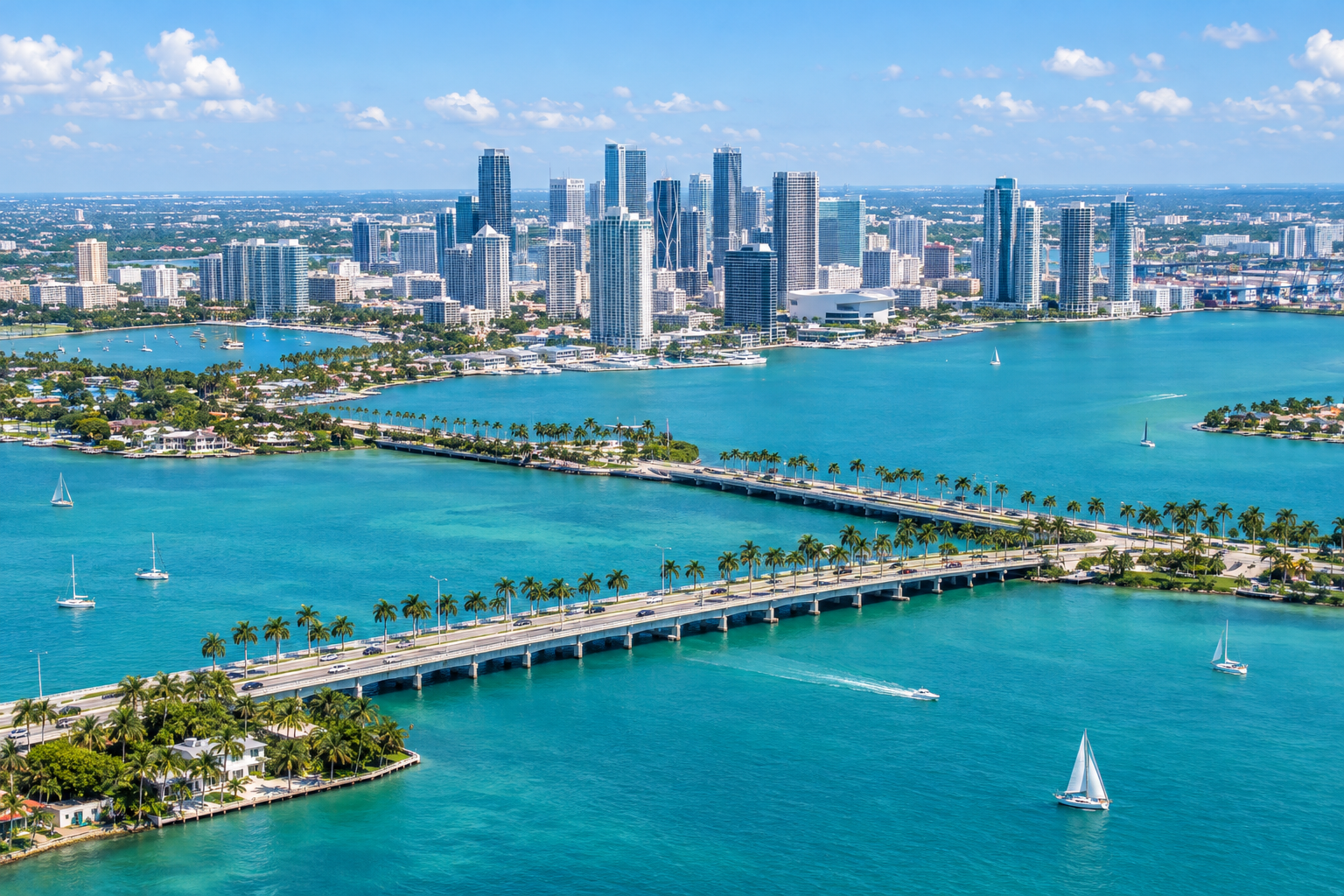
Area code 305 covers Miami-Dade County and the Florida Keys (Monroe County) in southeast Florida, and nowhere else. It shares that territory with overlay codes 786 and, most recently, 645, so a Miami number can start with any of the three and every local call takes all ten digits.
Area code 305 location, in one table
If you only need the basics, here they are. Everything below this table is detail: which cities, which neighbors, how to dial, how to tell a real 305 call from a spoofed one, and how to get a 305 number yourself.
| Fact | Detail |
|---|---|
| State | Florida |
| Counties | Miami-Dade County and Monroe County (the Florida Keys) |
| Largest city | Miami |
| Other major cities | Hialeah, Miami Gardens, Miami Beach, Homestead, Coral Gables, Doral, Key West |
| Overlay codes | 786 (added in 1998) and 645 (newest overlay) |
| Time zone | Eastern Time (ET), UTC-5 in winter, UTC-4 in summer |
| Local dialing | 10 digits (area code + number) on every call |
| Created | 1947, one of the original North American area codes |
| Original coverage | The entire state of Florida |
| Northern neighbor | 954 and 754 (Broward County) |
| Western neighbor | 239 (Collier and Lee counties) |
That last row trips people up. Fort Lauderdale is about 25 miles up I-95 from downtown Miami, but it is not in the 305. If someone gives you a 954 number, they are across the county line in Broward.
Counties covered by the 305 area code


The 305 covers exactly two Florida counties, and one of them is mostly water and mangroves.
| County | County seat | Approximate population | Codes in use |
|---|---|---|---|
| Miami-Dade | Miami | About 2.7 million (2020 Census) | 305, 786, 645 |
| Monroe | Key West | About 82,000 (2020 Census) | 305, 786, 645 |
Miami-Dade is the big one. It runs from the Broward County line in the north to Florida City and the entrance of Everglades National Park in the south, and from Biscayne Bay and the Atlantic beaches in the east to the Everglades in the west. Nearly every phone in the 305 rings in Miami-Dade.
Monroe County is the chain of islands from Key Largo to Key West, plus a large slice of the mainland Everglades that has almost no residents and very few phone lines. For practical purposes, “Monroe County” in the 305 means the Keys. Key West, Marathon, Islamorada, Tavernier and Key Largo all sit under 305, and have since the code was created.
Two things worth knowing about the county split:
- Calls between Miami and Key West are both inside the 305, but they are not necessarily “local” on an old-style landline plan. Mobile plans and bundled VoIP plans treat the whole United States as one calling area, so this only matters if you still pay per-call tolls on a copper line. Check your carrier’s plan details if you do.
- The Keys got the 786 overlay later than Miami-Dade did. The overlay launched in Miami-Dade in 1998 and was extended down the island chain a few years afterward. That is why 786 numbers were rare in the Keys for a while and 305 still dominates there.
Cities and communities in the 305
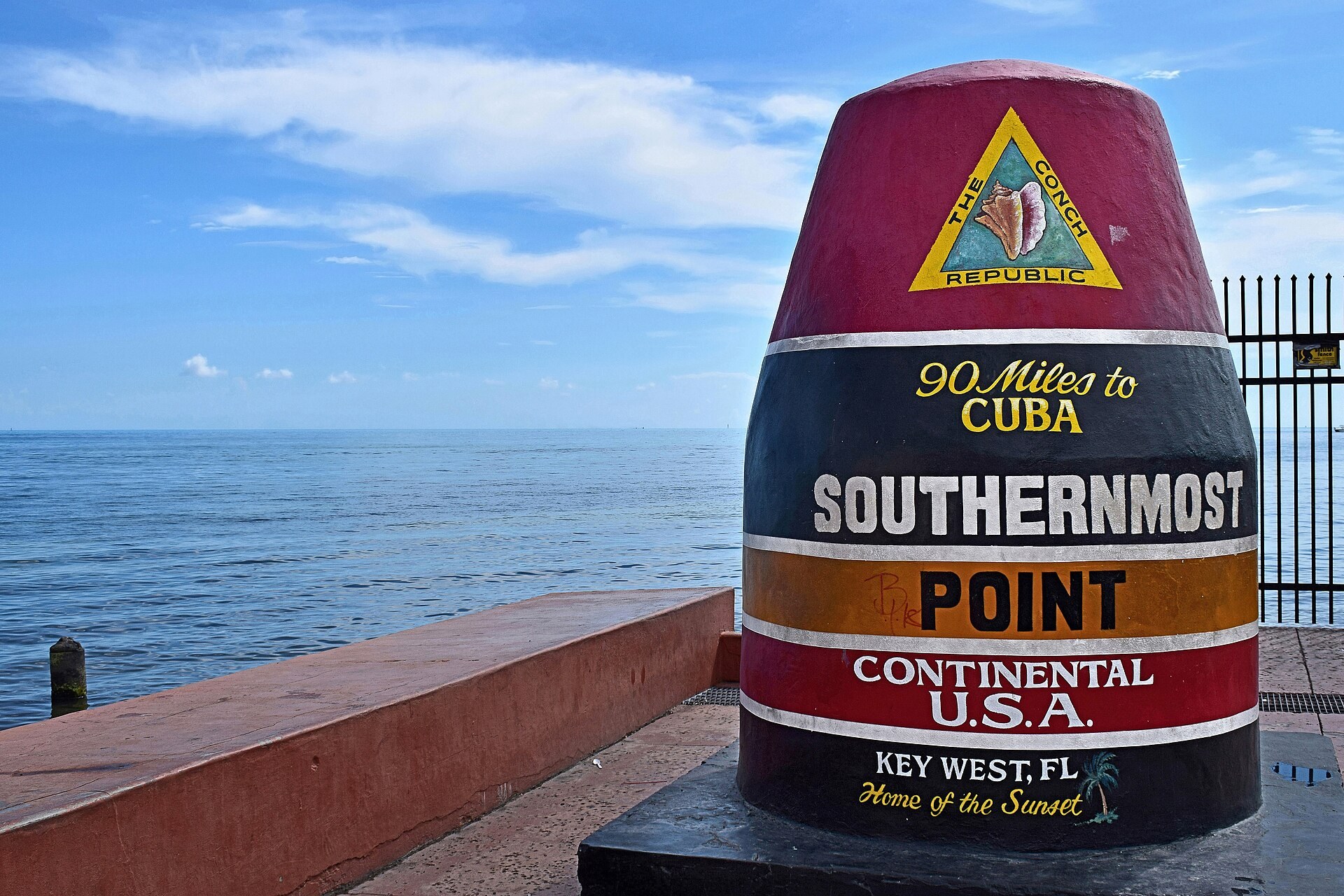
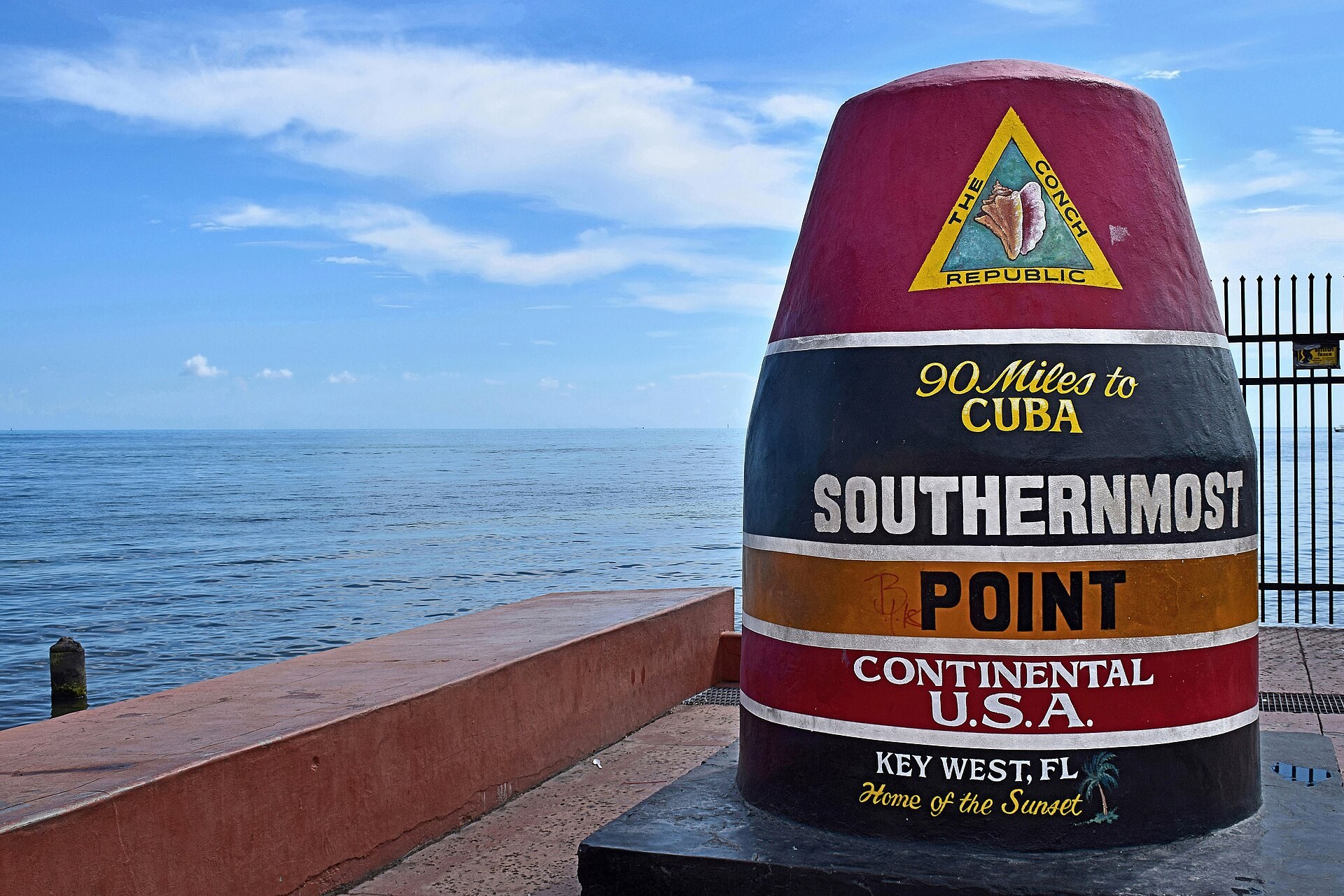
Miami-Dade has 34 incorporated municipalities and a long list of unincorporated neighborhoods that most people treat as towns. All of them use 305 (with 786 and 645 mixed in). Here is how the territory breaks down, roughly north to south, then down the Keys.
Northern Miami-Dade
| Community | Type | Notes |
|---|---|---|
| Aventura | City | Northeast corner, borders Hallandale Beach (954) |
| Golden Beach | Town | Last Miami-Dade town on the beach before the Broward line |
| Sunny Isles Beach | City | High-rise beachfront strip on Collins Avenue |
| North Miami Beach | City | Inland despite the name |
| North Miami | City | Home to the FIU Biscayne Bay campus |
| Miami Gardens | City | Largest majority-Black city in Florida, Hard Rock Stadium |
| Opa-locka | City | Moorish-style city hall, general aviation airport |
| Miami Lakes | Town | Planned community west of Opa-locka |
| Hialeah | City | Second-largest city in the county, heavily Cuban-American |
| Hialeah Gardens | City | Small city on Hialeah’s western edge |
| Medley | Town | Industrial town along the Miami River canal |
| Miami Shores | Village | Residential village on Biscayne Bay |
| Biscayne Park, El Portal | Villages | Tiny residential villages inside the NE 2nd Avenue corridor |
| North Bay Village | City | Islands on the 79th Street Causeway |
| Bal Harbour, Surfside, Bay Harbor Islands | Village, town, town | Small beach and bay communities north of Miami Beach |
Central Miami-Dade
| Community | Type | Notes |
|---|---|---|
| Miami | City | County seat, downtown, Brickell, Little Havana, Wynwood, Coconut Grove, Little Haiti |
| Miami Beach | City | South Beach, Mid-Beach, North Beach; a separate city from Miami |
| Key Biscayne | Village | Island reached by the Rickenbacker Causeway |
| Coral Gables | City | University of Miami, Miracle Mile |
| South Miami | City | Small city around Sunset Drive |
| West Miami | City | Tiny city west of Coral Gables |
| Miami Springs, Virginia Gardens | City, village | Next to Miami International Airport |
| Doral | City | West of the airport, large Venezuelan community |
| Sweetwater | City | Beside FIU’s main campus |
| Westchester, Fontainebleau, Tamiami, Olympia Heights | Unincorporated | Big residential areas along SW 8th Street and Bird Road |
| Kendall, The Hammocks, Kendale Lakes | Unincorporated | Sprawling suburbs south and west of Dadeland |
| Pinecrest | Village | Leafy, low-density village along Old Cutler Road |
| Palmetto Bay | Village | Bayside suburb south of Pinecrest |
Southern Miami-Dade
| Community | Type | Notes |
|---|---|---|
| Cutler Bay | Town | Formerly Cutler Ridge |
| Richmond Heights, Goulds, Princeton, Naranja, Leisure City | Unincorporated | Communities along US-1 and the Busway |
| Homestead | City | Largest city in the south, next to Homestead Air Reserve Base |
| Florida City | City | Last city before the Keys and Everglades National Park |
| Redland | Unincorporated | Agricultural area, nurseries, fruit stands |
The Florida Keys (Monroe County)
| Community | Type | Notes |
|---|---|---|
| Key Largo | Unincorporated | First major key, John Pennekamp Coral Reef State Park |
| Tavernier | Unincorporated | Between Key Largo and Islamorada |
| Islamorada | Village | “Village of Islands,” sportfishing hub |
| Layton | City | Tiny city on Long Key |
| Marathon | City | Middle Keys, Seven Mile Bridge starts here |
| Big Pine Key | Unincorporated | Key deer refuge |
| Key West | City | Southernmost city, county seat of Monroe |
If an address is on US-1 south of Florida City, it is in the 305. If it is on Biscayne Boulevard north of the Aventura mall, check whether you have crossed into Hallandale Beach, because that is where the 954 area code begins.
The 305 area code map, described in words
Picture a rough L shape. The vertical stroke is Miami-Dade County, about 40 miles tall and 30 miles wide at its widest. The horizontal stroke, bending southwest, is the 120-mile chain of the Keys hanging off the bottom.
The borders work like this:
- North: the Miami-Dade/Broward county line. On the ground it runs roughly along County Line Road and NW 215th Street in the west, and between Aventura and Hallandale Beach near the coast. North of it is 954/754.
- East: the Atlantic Ocean. Miami Beach, Key Biscayne and the barrier islands are all 305.
- West: the Everglades and the Collier County line. Everything west of Krome Avenue is mostly water conservation area with very few numbers, and once you reach Naples you are in 239.
- South: Key West and the Dry Tortugas. There is nothing further south with a US area code.
A real map helps when you are deciding whether a business is local, but the county boundary is really all you need. If the address says Miami-Dade or Monroe, the area code is 305, 786 or 645. If it says Broward or Palm Beach, it is not.
What the 305 does not cover
Searches for “florida area code 305” often come from people assuming it covers all of South Florida, or all of Florida. It once did. Today the rest of the region uses its own codes.
| Area | Codes | Notes |
|---|---|---|
| Broward County (Fort Lauderdale, Hollywood, Pembroke Pines) | 954, 754 | Split from 305 in 1995; 754 overlay added later |
| Palm Beach County (West Palm Beach, Boca Raton) | 561 | Moved from 305 to 407 in 1988, then to 561 in 1996 |
| Treasure Coast (Port St. Lucie, Vero Beach) | 772 | Split from 561 in 2002 |
| Southwest Florida (Naples, Fort Myers) | 239 | Formerly 305, then 813, then 941 |
| Orlando | 407, 689 | Split from 305 in 1984 |
| Tampa Bay | 813, 727, 656 | 813 was the first code carved out of 305 in 1953 |
| Jacksonville and North Florida | 904, 850, 386 | 904 split from 305 in 1965 |
The one that confuses the most people day to day is Broward. Hollywood, Hallandale Beach, Miramar and Pembroke Pines all feel like part of greater Miami, and many Broward residents work in Miami-Dade. None of them have 305 numbers. The 954 area code and its 754 overlay cover the whole of Broward, from the Miami-Dade line to the Palm Beach line.
Same story heading north: Boca Raton and West Palm Beach use the 561 area code. If you grew up in West Palm before 1988, your family’s number started with 305. That history is why older residents still think of 305 as a regional code rather than a Miami one.
305, 786 and 645: how the overlays work
An overlay is an extra area code laid on top of the same territory instead of splitting it in two. Miami-Dade got its first overlay, 786, in 1998, when 305 was close to running out of assignable prefixes. The Florida Public Service Commission has since approved a third code, 645, which has started to appear on new lines as the supply of 305 and 786 numbers runs down.
| Code | Status | Where | What it tells you |
|---|---|---|---|
| 305 | Original, 1947 | Miami-Dade and Monroe | Older landlines, long-established businesses, government, many long-time residents |
| 786 | Overlay, 1998 | Miami-Dade, later extended to Monroe | Most mobile numbers issued from the late 1990s through the 2010s |
| 645 | Overlay, newest | Miami-Dade and Monroe | New assignments once 305 and 786 blocks are exhausted |
All three codes are equal. A 786 number is just as “Miami” as a 305 number, and there is no cost difference to call one versus another. The only practical consequences are:
- You must dial 10 digits for every local call. Miami-Dade was one of the first places in the country to require this, back in 1998. There is no seven-digit dialing anywhere in the 305, 786 or 645.
- You cannot choose your code with certainty. When you get a new line, the carrier assigns a number from whatever block it has in your rate center. More on how to improve your odds below.
- Phone systems need all three codes whitelisted. If your office phone system, alarm panel or fax machine was programmed years ago to treat only 305 and 786 as local, add 645. Otherwise calls to the newest numbers can fail or route as long distance.
Timing for the 645 rollout, including when carriers in a particular rate center start issuing it, is published by the North American Numbering Plan Administrator and the Florida Public Service Commission. Check either of those if you need an exact date for a filing or a phone system change, because carrier blocks run out at different times.
How to dial to and from the 305
Quick steps: Dial a 305 number
- From anywhere in the 305, 786 or 645: dial the full 10 digits, no 1 needed.
- From elsewhere in the US or Canada: dial 1, then 305, then the seven-digit number.
- From abroad: dial your country’s exit code, then 1 305 and the number.
- Giving your number to someone overseas: write it as +1 305 followed by the number.
- Calling out of the US from a 305 phone: dial 011, the country code, then the local number.
Local and domestic calls
Inside the three-code region, dial all ten digits. Dialing 1 first is harmless on most lines and required on some older landlines for calls that are billed as toll, so if a call fails, add the 1 and try again.
To reach the 305 from the rest of the United States, Canada or the other countries in the North American Numbering Plan (the Bahamas, Jamaica, the Dominican Republic and most of the English-speaking Caribbean), dial 1-305 and the number. No 011 is needed between NANP countries, which surprises a lot of first-time callers from the Caribbean.
International calls, both directions
Miami is the main US gateway to Latin America and the Caribbean, so international dialing comes up here more than almost anywhere else in the country. Country codes do not change often, but call rates do. Confirm per-minute pricing or international plan details with your carrier before a long call to Havana or Caracas.
| Calling from a 305 phone to | Dial | Notes |
|---|---|---|
| Cuba | 011 53 + number | Not in the NANP; rates are typically high, check your plan |
| Colombia | 011 57 + number | |
| Venezuela | 011 58 + number | |
| Haiti | 011 509 + number | |
| Dominican Republic | 1 809, 1 829 or 1 849 + number | NANP country, dial like a US call |
| Jamaica | 1 876 + number | NANP country |
| Bahamas | 1 242 + number | NANP country |
| Mexico | 011 52 + number | |
| Brazil | 011 55 + number | |
| Argentina | 011 54 + number | |
| Peru | 011 51 + number | |
| Nicaragua | 011 505 + number | |
| Honduras | 011 504 + number | |
| Spain | 011 34 + number |
On a mobile phone you can replace 011 with the plus sign (+) on the keypad, which works from any country.
Coming the other way, someone in Bogotá or Madrid reaches a Miami number by dialing their international exit code (00 in most of Latin America and Europe), then 1, then 305 and the number. Written as +1 305 XXX XXXX, the number works from any phone on earth.
Good to know
A phone showing a 305 number does not prove the call started in Miami. Caller ID can be set to almost anything, and many overseas call centers deliberately display a 305 number so you answer. Treat the number as a hint, not proof.
Time zone and local time in the 305
The whole 305 is on Eastern Time, the same as New York, Atlanta and Washington. Florida observes daylight saving time, so clocks move forward in March and back in November along with the rest of the eastern US. Legislators in Tallahassee have voted to make daylight time permanent, but that cannot take effect without an act of Congress, so for now the clocks still change.
| When it is noon in Miami | Local time |
|---|---|
| Los Angeles (Pacific) | 9:00 a.m. |
| Chicago (Central) | 11:00 a.m. |
| Havana | Noon, year-round (Cuba shifts with the US) |
| Nassau | Noon, year-round |
| Bogotá and Lima | Noon in winter, 11:00 a.m. in summer |
| Caracas and Santo Domingo | 1:00 p.m. in winter, noon in summer |
| Buenos Aires and São Paulo | 2:00 p.m. in winter, 1:00 p.m. in summer |
| London | 5:00 p.m. most of the year |
| Madrid | 6:00 p.m. most of the year |
Colombia, Peru, Venezuela and the Dominican Republic do not observe daylight saving time, which is why the gap to those countries changes twice a year. If you run a business that calls Latin America from Miami, the spring and autumn clock changes shift your calling window by an hour.
History: when 305 covered the entire state
In 1947 AT&T carved North America into 86 numbering plan areas and gave all of Florida a single code: 305. Jacksonville, Tallahassee, Tampa, Orlando and Miami all shared it. That lasted six years.
| Year | Change | Area affected |
|---|---|---|
| 1947 | 305 created for the entire state | All of Florida |
| 1953 | 813 split off | Tampa Bay and west central Florida |
| 1965 | 904 split off | Jacksonville, Tallahassee, North Florida |
| 1980 | Southwest coast moved to 813 | Fort Myers, Naples area |
| 1984 | 407 split off | Orlando and east central Florida |
| 1988 | Palm Beach and Treasure Coast moved to 407 | West Palm Beach, Boca Raton, Stuart, Vero Beach |
| 1995 | 954 split off | Broward County |
| 1998 | 786 overlay added | Miami-Dade (Keys added a few years later) |
| 2000s | 645 approved as third overlay | Miami-Dade and Monroe |
Every one of those splits shrank the 305 a little more, until it reached its current footprint of two counties. The pattern explains a lot of local trivia: why a 1970s Fort Lauderdale phone book lists 305 numbers, why your grandmother in Naples still says “it used to be 305,” and why the Keys ended up tied to Miami rather than to the Gulf coast.
The exact dates matter if you are tracing an old number or a historical document. Older business cards, legal filings and directories from before 1995 will show 305 for places that now use 954, 561 or 239. If you find a 305 number on a Broward document from 1990, the current equivalent is almost always the same seven digits under 954.
What it means when someone calls you from 305
A 305 call means the number was assigned to a line in Miami-Dade or the Keys. Who is actually on the line falls into a few recognizable groups.
Local people and businesses. The obvious case. Restaurants, contractors, schools, doctors’ offices, property managers. Many established Miami businesses hold onto 305 numbers deliberately because customers read them as local and long-standing.
Government and courts. Miami-Dade County offices, the Miami-Dade Clerk of Courts, the public library system and municipal city halls all operate from 305 numbers. The county’s general line for services is 311 inside the county. If a caller claims to be from the county or a court, the safest check is to hang up and call back using the number printed on an official letter or on the county’s own website.
Tourism and hospitality. Hotels, cruise lines, charter captains and tour operators. Miami is home to PortMiami, one of the busiest cruise ports in the world, so confirmation calls about sailings and transfers commonly come from 305 numbers.
Family in the diaspora. A huge share of 305 numbers belong to people with family in Cuba, Haiti, Colombia, Venezuela, Nicaragua and across the Caribbean. If a relative abroad has a US contact, odds are good it is a 305 or 786 number.
Spoofed and scam calls. Because the 305 is well known and densely populated, it is a popular code for spoofers to imitate. More on that next.
Culturally, “305” also works as shorthand for Miami itself. Locals say “the 305” the way New Yorkers say “the city.” You will see it on T-shirts, in rap lyrics, on restaurant menus and in Miami Heat marketing. Pitbull built his early brand as “Mr. 305” before upgrading to “Mr. Worldwide,” and March 5 (3/05) is celebrated locally as 305 Day. So if someone texts “305 forever,” they are claiming Miami, not giving you a phone number.
Is a 305 call legit? Spam, scams and how to check
The code itself is legitimate. Whether the specific call is legitimate is a separate question, and the honest answer is that a 305 number on your screen is one of the easier things for a scammer to fake.
Quick steps: Check whether a 305 call is legit
- Do not call the number back from your recent calls list.
- Search the full 10-digit number; legitimate businesses and agencies usually appear.
- Compare it with the number on the organization’s own website or your paperwork.
- Call that published number instead and ask if they contacted you.
- If the caller wanted gift cards, wire transfers, crypto or “verification codes,” it was a scam.
- Block the number and report it to the FTC at donotcall.gov or the FCC.
The common patterns
Neighbor spoofing. The call shows a 305 number with the same prefix as yours, so it looks like a neighbor or your kid’s school. The scammer is usually overseas. The giveaway is that the voice asks you to “confirm” information they should already have.
Government impostors. Callers claiming to be Medicare, the Social Security Administration, the IRS, Miami-Dade police or a court threatening arrest over a missed jury summons. Miami has a long history as a hub for Medicare fraud, so Medicare-themed calls are especially common here. Real agencies do not demand payment by gift card and do not threaten immediate arrest over the phone.
Utility and toll scams. Callers posing as FPL saying power will be cut in 30 minutes unless you pay, or texts claiming unpaid SunPass tolls with a link. FPL and SunPass both have published channels for checking your account; use those.
One-ring callbacks. Your phone rings once and stops. The number looks American but is actually a Caribbean code like 268 or 876, which bills international rates when you call back. These are not 305 numbers but they get mixed up with them because of the single-leading-digit resemblance.
Jury duty and warrant calls. A caller claiming to be with the Miami-Dade Sheriff’s Office or the courts says you missed jury duty and must pay a fine now. The real Miami-Dade Clerk of Courts does not take payment for jury fines over the phone this way. If you are genuinely worried about a court matter, look up your case through the clerk directly.
How to verify a number that claims to be official
Use the organization’s own published number, not the one that called you. For county departments, miamidade.gov lists them by department. For the courts, the clerk’s site lists each courthouse location. For the library system, each branch page carries its own number; the Miami-Dade Main Library downtown is a good example of a public building whose number you can confirm in seconds on the system’s site. For any jail or inmate question, the county’s own search tool is the source, not a caller; a “miami dade inmate finder” search leads you to that official lookup rather than to a stranger’s phone.
Local tip
Real Miami-Dade County, City of Miami and clerk numbers almost always start with 305, not 786 or 645, because those lines were assigned decades ago. A “county” caller from a 786 number is a reason to pause, though not proof of anything on its own.
Blocking spam from 305 numbers
Every major carrier now ships a free spam filter, and the paid tiers add reverse lookup and tighter controls. Check each carrier’s site for current pricing on the premium versions.
| Carrier | Tool | Free tier | What it does |
|---|---|---|---|
| AT&T | ActiveArmor | Yes, with a paid Advanced tier | Labels and blocks suspected spam, lets you block by category |
| Verizon | Call Filter | Yes, with a paid Plus tier | Spam labeling, blocking, risk meter |
| T-Mobile (and Metro) | Scam Shield | Yes | Scam ID, Scam Block, free second number on some plans |
| Any phone | Built-in iOS or Android filters | Yes | Silence unknown callers, block individual numbers |
| Any phone | Text 7726 (SPAM) | Yes | Forward spam texts to your carrier |
Beyond carrier tools:
- National Do Not Call Registry. Register at donotcall.gov or by calling 1-888-382-1222 from the phone you want to register. It stops legitimate telemarketers, not criminals.
- Florida Do Not Call list. Run by the Florida Department of Agriculture and Consumer Services (FDACS). It is separate from the federal list, and the FDACS consumer helpline, 1-800-HELP-FLA, handles complaints. Confirm current registration details on the FDACS site.
- Report, don’t just block. FTC reports at reportfraud.ftc.gov and FCC complaints feed the enforcement data that eventually shuts down call-center operations.
Good to know
Blocking individual 305 numbers one at a time is a losing game. Spoofers rotate numbers constantly. Turn on your carrier’s filter, silence unknown callers, and treat any call demanding urgent payment as a scam regardless of the number shown.
305 area code prefix and carrier lookup
The three digits after the area code are the prefix, or NXX. In the 305, the prefix tells you two things: which rate center the number was originally assigned to, and which carrier originally owned the block.
Rate centers in the 305 include Miami, North Dade, Hialeah, Kendall, Perrine, Homestead, Key Largo, Islamorada, Marathon, Big Pine Key and Key West, among others. A prefix assigned to the Homestead rate center will have been issued to a line in south Miami-Dade; a prefix assigned to Key West will have gone to a line in the lower Keys.
Here is why that is less useful than it sounds:
- Number portability. Since the early 2000s, people have been able to keep their number when they switch carriers, and mobile numbers travel with their owners. A prefix originally issued to a Hialeah landline block may now ring a cell phone in Doral or, after a move, in Austin.
- Mobile numbers go anywhere. A 305 mobile number assigned in 2005 might belong to someone who has lived in Atlanta since 2012. Nothing about the prefix changes.
- Carrier of record changes. The original block holder might be AT&T, but the current service provider could be anyone after a port.
So a prefix lookup gives you history, not current location. For a legitimate business purpose, such as checking whether a number is mobile or landline before sending texts, carrier lookup services exist and the North American Numbering Plan Administrator publishes the underlying block assignments. For “who is calling me,” a plain web search of the full number usually works better than a prefix table, because businesses, schools and agencies publish their numbers everywhere.
One thing the prefix can still tell you: whether a number is likely to be a long-established line. Prefixes that were in service in the 1980s and 1990s belong to blocks that predate mobile phones, which is why so many banks, hospitals and county offices in Miami have numbers that look “old.”
Get a 305 phone number
New numbers in Miami-Dade are drawn from whatever blocks a carrier has in your rate center, and today that often means 786 or 645. A 305 number is still possible, and for a business it can be worth the effort.
What you need
- A Miami-Dade or Monroe County service address for a landline or home internet line
- Government ID and account details for a new mobile line
- Your current number and account PIN if you plan to port
- A list of acceptable prefixes if you are asking a sales rep to search inventory
Quick steps: Get a 305 number
- Decide whether you need a mobile, landline, or VoIP number.
- Ask the carrier rep to search available numbers by area code before activation.
- Try a different rate center (Homestead, North Dade, Keys) if Miami has no 305 inventory.
- Check VoIP providers, which often hold 305 blocks for business customers.
- Buy from a reputable number reseller only if a specific vanity 305 number matters.
- Port the number to your preferred carrier once it is active.
Where 305 numbers come from
Mobile carriers. AT&T, Verizon and T-Mobile all serve the 305, along with prepaid brands like Cricket, Metro by T-Mobile, Visible and Boost. In-store reps can usually see available numbers by area code. Inventory fluctuates, so the honest answer is “ask on the day.” Carrier stores are dense along major corridors such as Biscayne Boulevard, US-1 through Kendall, and Flagler Street; check each carrier’s store locator for the branch nearest you and its hours.
Landline and home phone. AT&T is the incumbent landline company in most of Miami-Dade and the Keys, and bundled home phone from Xfinity (Comcast) is widely available. Landline blocks were assigned decades ago, so these services sometimes have more 305 inventory than mobile carriers.
VoIP and virtual numbers. Services like Google Voice, RingCentral, Grasshopper and similar providers let you search by area code. Business VoIP providers in particular keep 305 blocks because customers request them. You do not need to live in Miami to hold one, which is also why plenty of “Miami” numbers belong to businesses with no Miami office.
Number resellers. A small market exists for memorable or repeating-digit 305 numbers. Prices vary enormously and the market is unregulated, so stick to resellers with a track record and make sure the number ports cleanly to your carrier before paying.
Why businesses care
Miami customers do read area codes. A 305 number on a van, a yard sign or a restaurant menu signals “we’ve been here,” and many long-time residents still associate 786 with newer arrivals. That is a perception, not a rule, but perception drives phone calls. If your business serves Hialeah or the Keys, a 305 number is an easy credibility win.
For individuals, it matters less. Your 786 number is every bit as local, and the newest 645 numbers will become ordinary within a few years, just as 786 did.
Internet, wireless and coverage in the 305
Miami-Dade is one of the best-covered mobile markets in the country. All three national carriers run 5G across the urban core, Miami Beach, the airport and the main highways. Coverage thins in the far western suburbs toward Krome Avenue and in the Everglades, and it gets patchy on parts of the Overseas Highway between Marathon and Key West, especially on bridges and in the stretches with few towers.
For home internet:
- Cable. Xfinity is the dominant cable provider across Miami-Dade and much of the Keys.
- Fiber. AT&T Fiber is available in many Miami-Dade neighborhoods but not all; it is a street-by-street question. Some newer condo towers and gated communities are served by building-wide providers such as Hotwire instead.
- 5G home internet. T-Mobile and Verizon both sell fixed-wireless home internet in the 305, which is useful in rental situations and in parts of south Miami-Dade with limited wired options.
- The Keys. Expect fewer choices. Cable is the main wired option, with satellite and fixed wireless filling gaps on the smaller keys.
Availability and pricing change constantly. Enter your address on each provider’s site rather than relying on a general coverage map, and ask neighbors; in Miami condo buildings, the building’s exclusive provider arrangement often decides the question before you do.
Two local practicalities that come up every year:
- Hurricane season (June through November). Cell networks are built to ride through storms, but power outages drain tower batteries and generators over several days. Keep a car charger, write down key 305 numbers on paper, and sign up for Miami-Dade County’s emergency alerts so you are not depending on a single app.
- Spring Break and major events. Networks on South Beach and around Hard Rock Stadium slow down badly during big events. Texting gets through when calls do not.
305 as an identity: more than a number
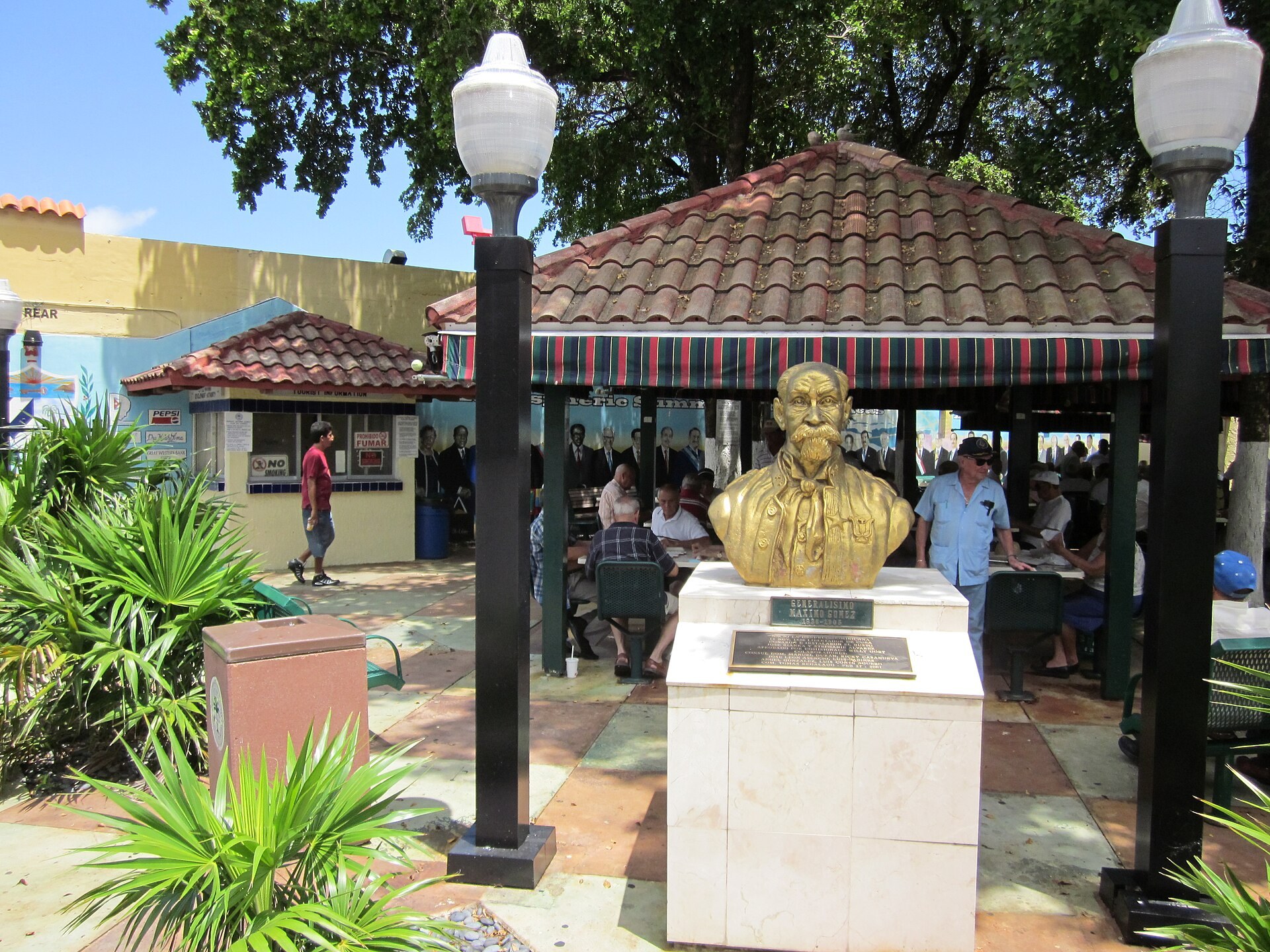
No other area code in Florida carries the weight that 305 does. Part of that is history: it was the original statewide code, so it predates every rival. Part of it is Miami’s self-image as a place apart from the rest of the state.
A few places you will run into the 305 brand:
- Music. Pitbull’s “Mr. 305” era put the number on the global map. Miami hip-hop, reggaeton and Latin pop reference it constantly.
- Sports. The Miami Heat, Dolphins, Marlins and Inter Miami all lean on 305 imagery in merchandise and social media, even though Hard Rock Stadium is in Miami Gardens and Inter Miami’s stadium is in Fort Lauderdale (954 territory, which locals never let them forget).
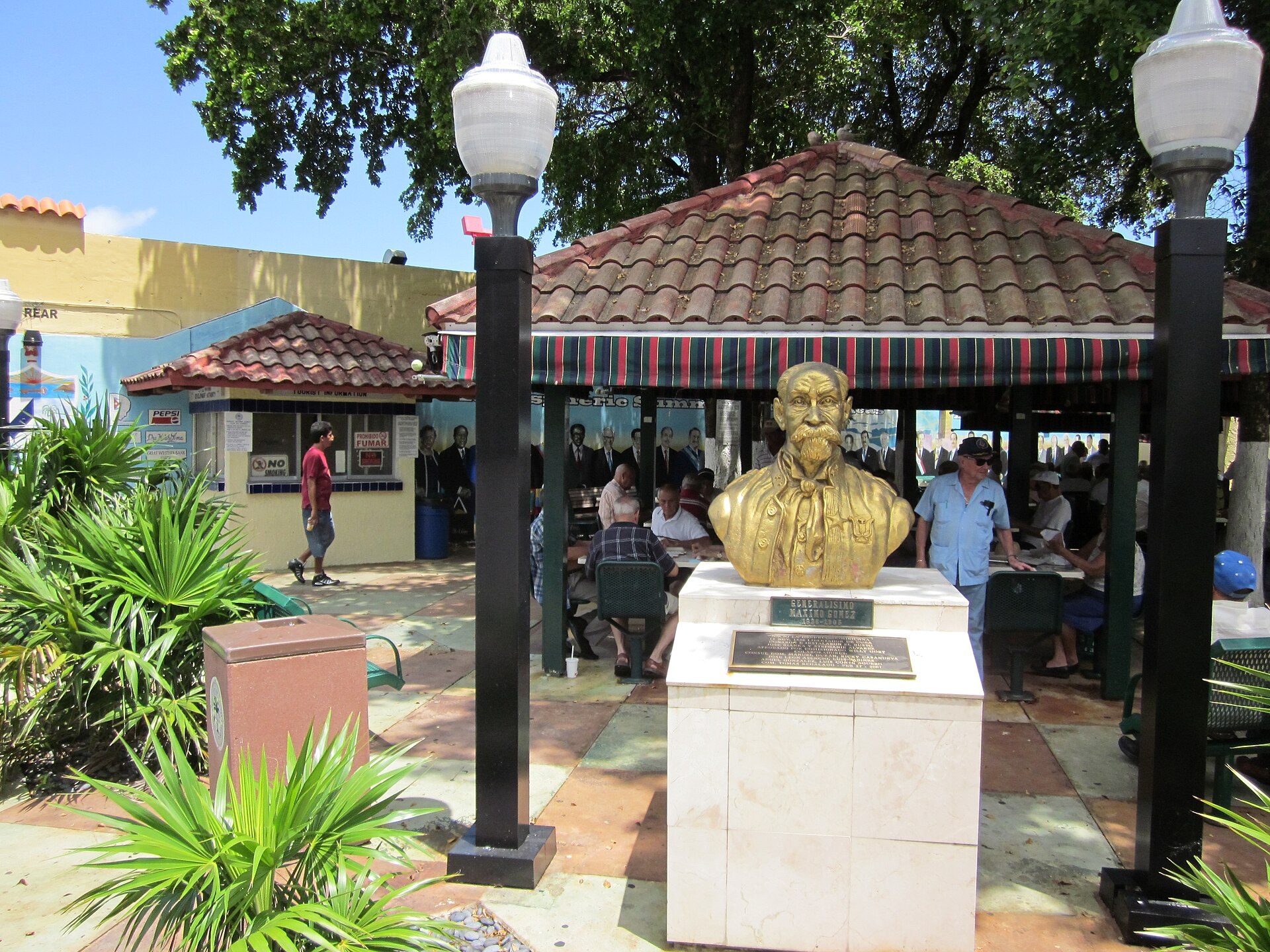
- Food. Restaurants, coffee windows and food trucks use 305 in names and slogans. Calle Ocho in Little Havana is the most obvious place to see it, and if you are hunting for Cuban food while you are there, you will find the number painted on more than one wall.
- 305 Day. March 5 has become an informal city holiday with concerts, deals and a lot of civic pride on social media.
- The Keys. Key West residents are 305 too, and some are proud of it; others would rather you knew they are 160 miles from Miami.
The number also carries the city’s darker history. The 1980s Miami of the Cocaine Cowboys, the era of Griselda Blanco and the Dadeland Mall shootout, was a 305 Miami, before Broward and Palm Beach got their own codes. When older residents talk about “the old 305,” they often mean that whole stretch of South Florida and that whole era.
If you are visiting rather than living here, the practical takeaway is simple: a 305 number is a local number, and locals notice it. Use the full ten digits, and if you are trying to pick a beach, a 305 phone number on a lifeguard stand or a parking sign tells you nothing useful. Pick your spot from a proper rundown of Miami beaches instead.
Common problems with the 305 and how to fix them
| Problem | Likely cause | Fix |
|---|---|---|
| Local call fails on an office phone | System dialing 7 digits | Reprogram for mandatory 10-digit dialing |
| Calls to a new 645 number fail or bill as long distance | 645 not in your phone system’s local table | Add 645 alongside 305 and 786 |
| Fort Lauderdale contact “not in 305” | They are in Broward | Use 954 or 754 |
| Caller claims to be county or court but number looks wrong | Spoofing or impostor scam | Hang up, call the number on official paperwork |
| Relative abroad can’t reach your number | Dialing 011 instead of 00, or missing the 1 | Give them +1 305 and the number |
| Carrier offered only 786 or 645 for a new line | No 305 inventory in that rate center | Ask for other rate centers or use a VoIP provider |
| Old document shows 305 for a Naples or Boca address | Pre-split number | Same seven digits under 239 or 561 in most cases |
| One-ring missed call from a “305-looking” number | Caribbean callback scam (268, 876, 809) | Do not call back; block |
| No signal on the Overseas Highway | Tower gaps between keys | Download maps offline, expect dead zones on bridges |
When to get help
Call your carrier’s fraud line (the number on your bill, not one from a text) if someone has ported or hijacked your 305 number. Call the FDACS consumer helpline at 1-800-HELP-FLA for telemarketing complaints inside Florida. For a court or jury notice you cannot verify, contact the Miami-Dade Clerk of Courts through the number on its own website rather than the one that called you. For number-assignment disputes with a carrier, the Florida Public Service Commission takes consumer complaints.
Quick facts and dialing reference
For people who want the whole thing on an index card:
- Area code 305 location: Miami-Dade County and Monroe County (Florida Keys), Florida, USA.
- Overlay codes: 786, 645. All three cover the same area.
- Time zone: Eastern Time, with daylight saving.
- Local dialing: 10 digits, every call.
- Long distance within the US: 1 + 10 digits.
- International format: +1 305 XXX XXXX.
- Calling out: 011 + country code + number (or + on a mobile).
- Emergency: 911. County services: 311 inside Miami-Dade.
- Not in 305: Fort Lauderdale (954/754), Boca Raton and West Palm Beach (561), Naples (239), Orlando (407), Tampa (813).
- Where to confirm changes: the Florida Public Service Commission for area code decisions, the North American Numbering Plan Administrator for assignment dates, your carrier for plan and rate details.
FAQ
Is 305 area code legit?
Yes. Area code 305 is a real, active area code covering Miami-Dade County and the Florida Keys, in use since 1947. What may not be legitimate is a particular call showing a 305 number, because caller ID is easy to spoof. Verify any caller asking for money or personal information by hanging up and calling the organization’s published number.
What area code is 305 in Florida?
Area code 305 is the Miami area code. It covers all of Miami-Dade County, including Miami, Miami Beach, Hialeah, Coral Gables, Homestead and Doral, plus Monroe County, which is the Florida Keys from Key Largo to Key West. It shares that territory with overlays 786 and 645.
What does it mean when someone calls you 305?
A phone call from a 305 number means the number was assigned to a line in Miami-Dade or the Keys. It could be a local business, a county office, a relative, or a spoofed number from anywhere. If someone says “305” to you in conversation, they usually mean Miami itself; the number is local slang for the city.
Is area code 305 located in California?
No. Area code 305 is in Florida. California uses codes such as 310, 323, 415, 619, 818 and 916, none of which is 305. The confusion usually comes from 310, the West Los Angeles code, or from people assuming “3” codes cluster in one region. The 30x codes are actually scattered: 303 is Denver, 304 is West Virginia, 305 is Miami, 307 is Wyoming and 309 is central Illinois.
Does 305 cover Fort Lauderdale or West Palm Beach?
Not anymore. Fort Lauderdale and all of Broward County use 954 and 754. West Palm Beach, Boca Raton and Palm Beach County use 561. Both areas were part of the 305 decades ago, which is why older documents and long-time residents still associate them with it.
Do I need to dial 1 before a 305 number?
Within the 305, 786 and 645 region, no; dial the ten digits. From elsewhere in the United States or Canada, dial 1 first. From outside North America, dial your exit code (often 00) and then 1 305 plus the number.
Can I still get a 305 number, or only 786 and 645?
You can still get one, but it depends on carrier inventory in your rate center on the day you sign up. Ask the rep to search by area code, try a different rate center, or use a VoIP provider, which often holds 305 blocks. If none of that works, a 786 or 645 number is equally local.
Is a 305 number more “Miami” than 786 or 645?
Functionally they are identical. Socially, 305 carries a bit of old-Miami cachet, especially for businesses, because the code dates to 1947 while 786 arrived in 1998 and 645 is the newest. Nobody is going to charge you more or treat your call differently based on which one you have.
