Miami Vice was an NBC crime drama that ran from 1984 to 1989. It starred Don Johnson and Philip Michael Thomas as undercover detectives Sonny Crockett and Ricardo Tubbs. The show replaced Miami’s early-1980s reputation as a dangerous, faded retirement town with pastel suits, neon nights and Art Deco glamour. That image still shapes how the region markets itself, dresses its sports teams and sells South Beach.
Series info at a glance
| Detail | Info |
|---|---|
| Network | NBC |
| Original run | September 1984 to 1989 |
| Seasons | 5 |
| Creator | Anthony Yerkovich |
| Executive producer | Michael Mann |
| Pilot | “Brother’s Keeper” (two hours) |
| Theme | Jan Hammer, “Miami Vice Theme” |
There is an often-repeated origin story. NBC entertainment chief Brandon Tartikoff supposedly scribbled “MTV cops” on a note, and Yerkovich and Mann built the show around that idea. It may be partly legend, but it describes the result well. Each episode was cut like a music video, with full pop songs playing over long, dialogue-free driving and surveillance scenes.
Cast and crew
| Actor | Role |
|---|---|
| Don Johnson | Det. James “Sonny” Crockett |
| Philip Michael Thomas | Det. Ricardo Tubbs |
| Edward James Olmos | Lt. Martin Castillo |
| Saundra Santiago | Det. Gina Calabrese |
| Olivia Brown | Det. Trudy Joplin |
| Michael Talbott | Det. Stan Switek |
| John Diehl | Det. Larry Zito |
Olmos won an Emmy for playing the stone-faced Castillo, and Johnson won a Golden Globe for Crockett. The guest list reads like a 1980s time capsule: Phil Collins, Glenn Frey, Miles Davis, Bruce Willis, Julia Roberts and Liam Neeson all turned up before or during their peak years.
Crockett lived on a sailboat called the St. Vitus’ Dance with a pet alligator named Elvis. He drove a black Ferrari Daytona Spyder, which was a replica built on a Corvette chassis. Ferrari reportedly objected to the copy. It then supplied the white Testarossa that took over in season three.
The Miami that existed before the show
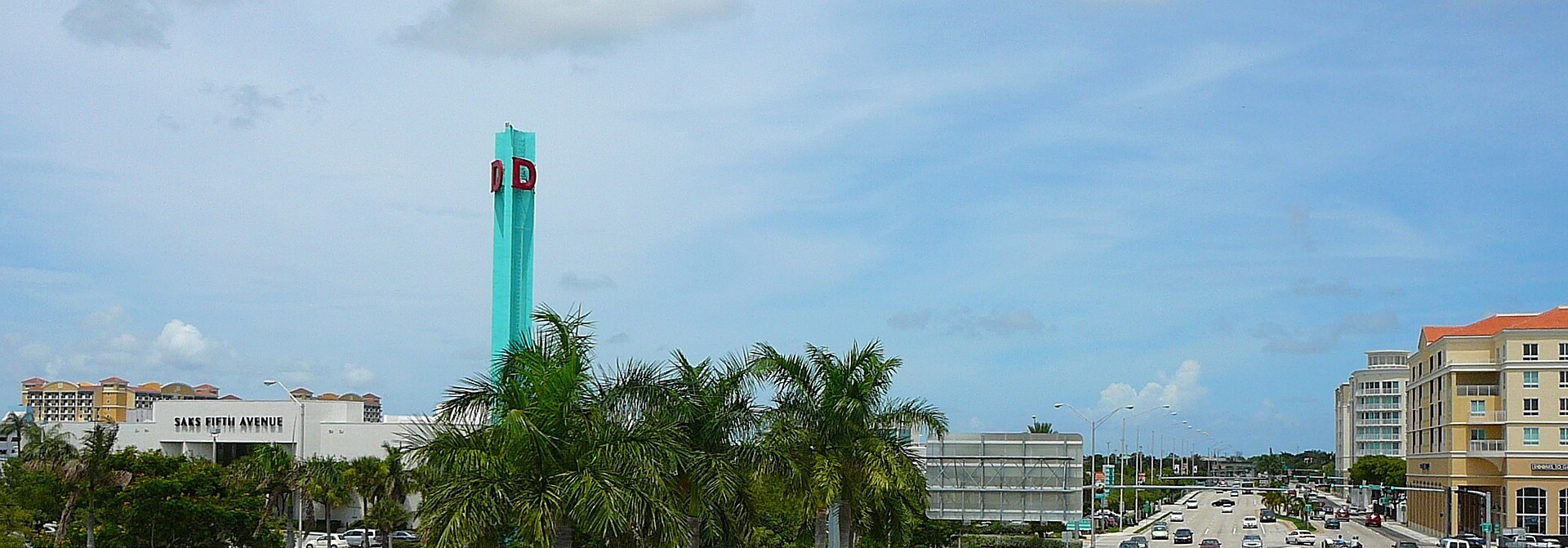
To see why the show mattered locally, you have to know what the rest of the country thought of Miami around 1984. In just a few years the city had absorbed the 1980 Mariel boatlift, the McDuffie riots and a cocaine trade so violent that the medical examiner’s office famously had to rent refrigerated trucks for the overflow. The 1979 Dadeland Mall shooting had already shown how far the drug war could spill into everyday life.
National magazines ran covers about paradise lost. Miami Beach was a sleepy collection of aging hotels, many of them filled with elderly residents, and South Beach’s Deco buildings were peeling and cheap. If you want the full story of that period, our piece on Griselda Blanco and Miami’s cocaine cowboy era covers the trafficking networks the show fictionalized.
Miami Vice did not hide that violence. It made it look stylish, and that is the key to how it changed the city’s image.
How Miami Vice changed the city’s image
Pastels, neon and the “no earth tones” rule
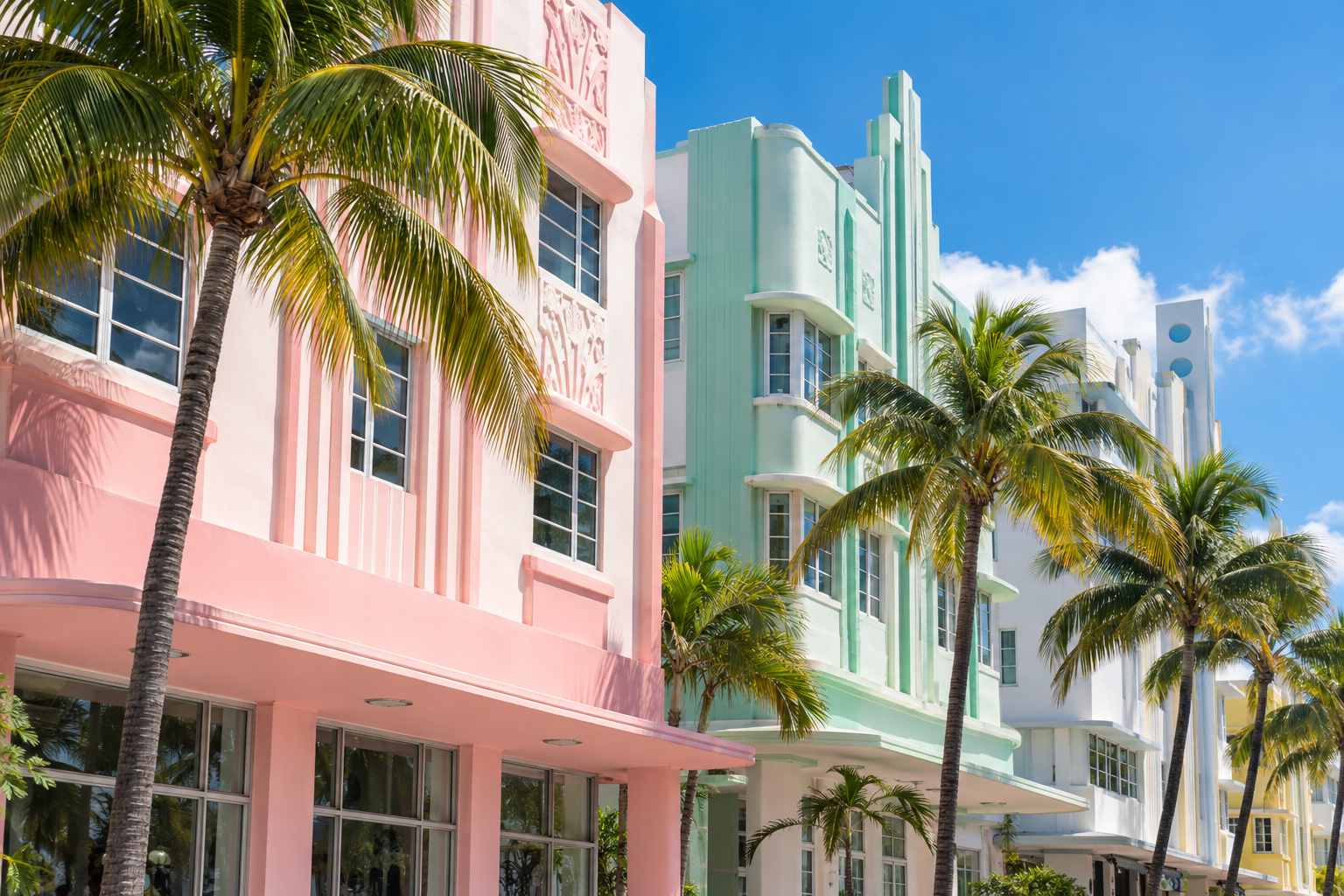
The production followed a strict color palette that is often credited to Michael Mann: no reds, browns or earth tones. Sets, cars and wardrobe leaned toward flamingo pink, aqua, lavender, seafoam and white. Night scenes glowed with neon.
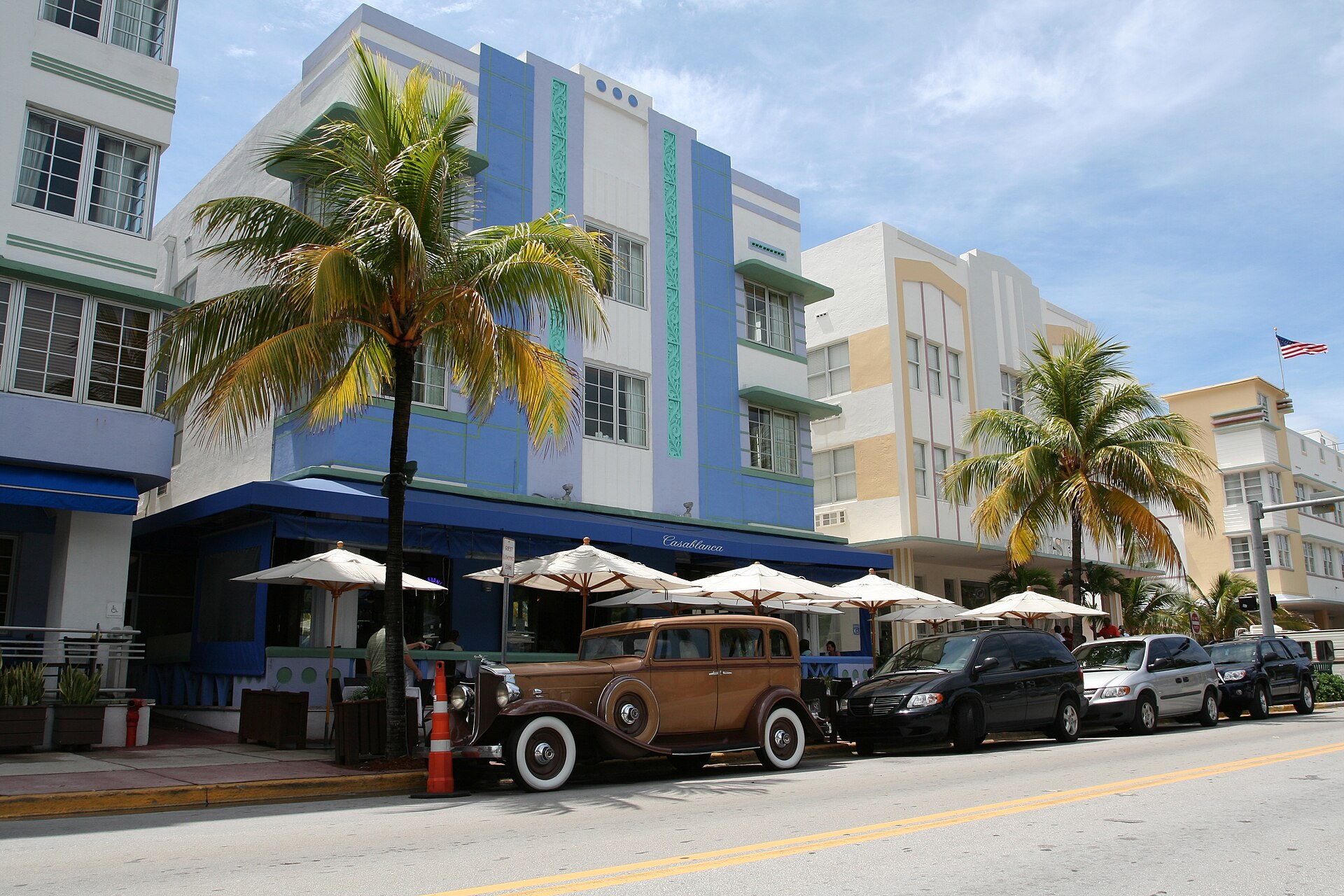
That palette matched the Art Deco buildings on Ocean Drive. Preservationists were already fighting for those buildings, and some had recently been repainted in pastel schemes. Television audiences who had never been to Florida suddenly pictured Miami as a place of sunsets, speedboats and candy-colored hotels.
Music that sold the city
The show spent heavily on licensed rock and pop at a time when most TV dramas used stock music. Phil Collins’s “In the Air Tonight” plays over a night drive in the pilot. That scene is still the shorthand for the entire series.
Jan Hammer’s synthesizer theme hit No. 1 on the Billboard Hot 100 in 1985, and the soundtrack album topped the Billboard 200. Glenn Frey’s “Smuggler’s Blues” became an entire episode, and his “You Belong to the City” was a hit off the show. For many viewers, the sound of Miami became synths, saxophones and drum machines.
Fashion that went national
Crockett wore an unstructured Italian-style jacket over a T-shirt, linen trousers and loafers with no socks, plus a few days of stubble. Within a couple of seasons, department stores across the country were selling the look. Men’s fashion coverage linked the show to sales of pastel blazers, slip-on shoes and Ray-Ban sunglasses. The style still turns up at 1980s theme parties in Miami Beach every winter.
Putting South Beach’s Art Deco on screen
The Miami Design Preservation League, founded in 1976 by Barbara Capitman, had already gotten the Miami Beach Architectural District onto the National Register of Historic Places in 1979. But a listing does not fill hotels. Miami Vice gave the district weekly national airtime. It filmed on Ocean Drive and nearby blocks, and it is widely credited with drawing photographers, fashion shoots and eventually investors to South Beach. By the 1990s the district had become one of the most famous strips in the country.
Miami Vice’s legacy in South Florida today
The show’s fingerprints are all over the region:
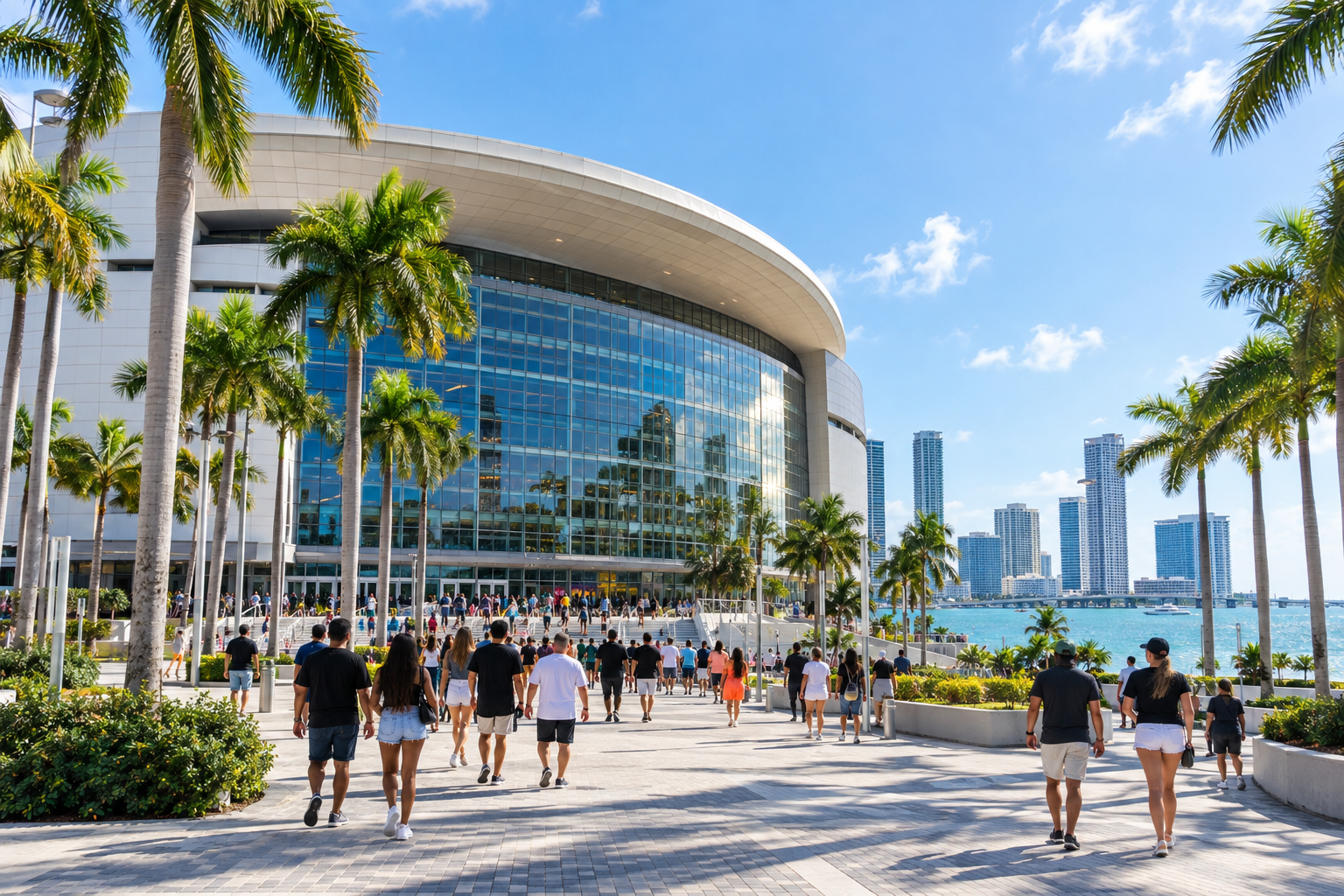
- The Miami Heat’s “Vice” uniforms. The Heat’s pink-and-blue City Edition jerseys borrow the show’s palette and became some of the NBA’s best-selling alternates. The team brings back Vice-themed nights and merchandise from time to time. If you want to catch one in person, our guide to buying Miami Heat tickets without overpaying explains how to time it.
- Grand Theft Auto: Vice City. Rockstar’s 2002 game recreated a neon, 1980s Miami and openly borrowed the show’s look and music. That introduced the aesthetic to a generation who never saw the series.
- The 2006 film. Michael Mann directed a darker big-screen Miami Vice with Colin Farrell and Jamie Foxx. It traded pastels for grainy digital night photography and filmed partly in Miami.
- A new film in development. Trade outlets including Variety and Deadline have reported that Universal is developing a new Miami Vice film with director Joseph Kosinski. This comes from studio announcements reported by established trade press, so treat the project as real. Release dates for films in development often move.
- Tourism branding. Pastel lifeguard towers, neon hotel signage on Ocean Drive and “Miami Vice” cocktails on beach-bar menus all lean on the image the show built.
Where to watch Miami Vice
NBCUniversal owns the series, so it usually streams on NBCUniversal platforms such as Peacock. It also cycles through free ad-supported services. Streaming rights change often, so check a current streaming listing before you subscribe.
You can also buy the complete series on DVD, and Blu-ray sets have been released. Physical discs are the safest way to get every episode with the original music. Licensed songs are the part most often swapped out when shows move between formats.
Visit Miami Vice filming locations
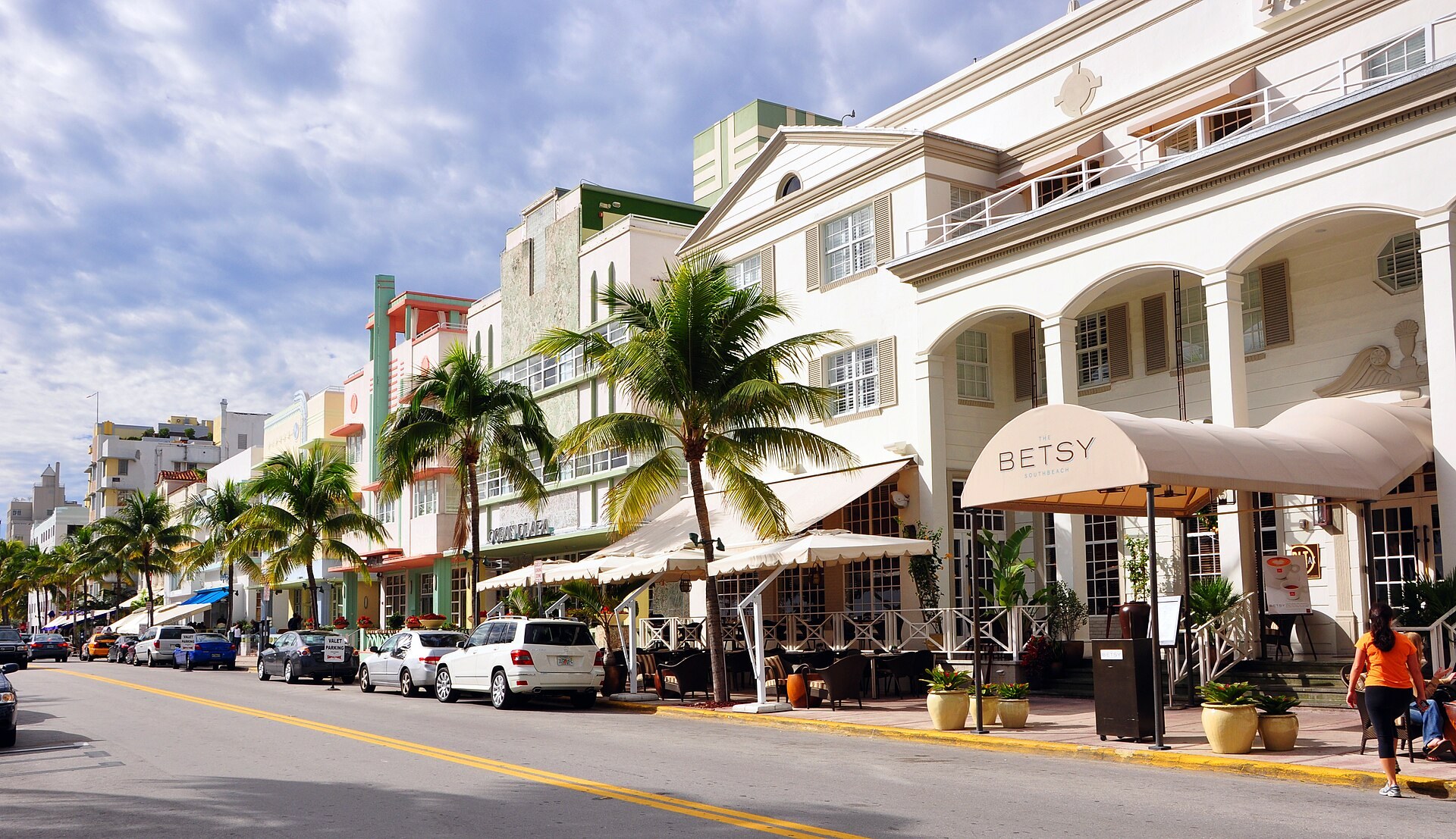
You can see the show’s Miami in a half day. Several of the most famous sites are private homes or closed structures, so you will be viewing them from public streets and parks.
Plan your visit
- Start at the Art Deco Welcome Center, 1001 Ocean Drive, Miami Beach.
- Walk Ocean Drive north and south of the center to see the Deco hotels.
- Drive the MacArthur Causeway back toward downtown Miami.
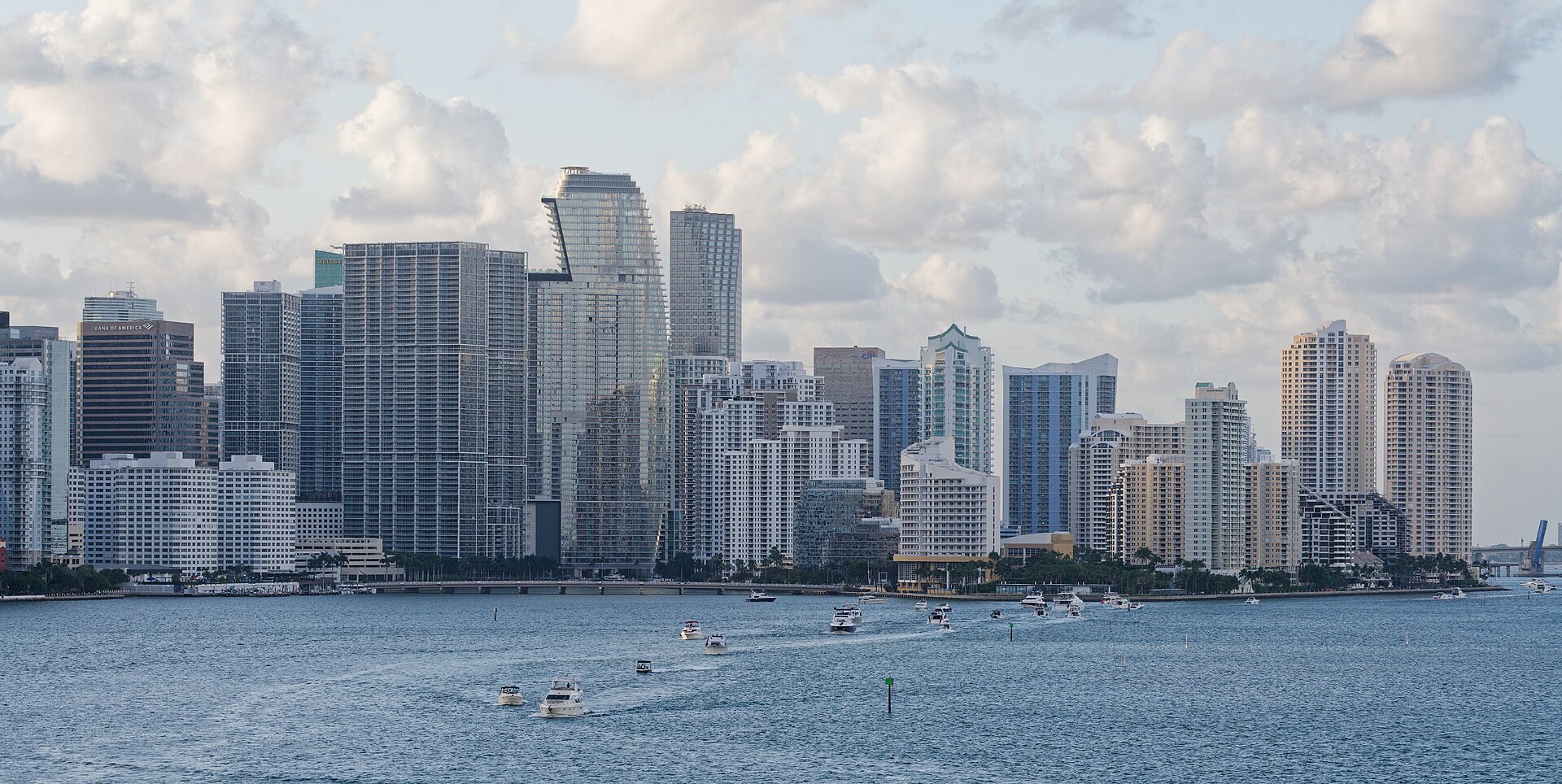
- View the Atlantis condominium at 2025 Brickell Avenue from the sidewalk.
- Cross the Rickenbacker Causeway to see Miami Marine Stadium from outside.
- Finish at Bill Baggs Cape Florida State Park for Stiltsville views at sunset.
The Atlantis is the building with the square hole and palm tree cut into its facade, seen in the opening credits. It was designed by the Miami firm Arquitectonica. Miami Marine Stadium on Virginia Key hosted powerboat scenes. It has been closed since Hurricane Andrew in 1992, and restoration plans are still working through the City of Miami. Stiltsville is the cluster of houses on pilings in Biscayne Bay that turns up in the series. It sits within Biscayne National Park and is reachable only by boat.
What you need
- Sunscreen, a hat and a refillable water bottle
- A phone with the Miami Beach pay-by-phone parking app
- Cash or card for the Rickenbacker toll and state park entry
- A zoom lens or good phone camera for Stiltsville
Good to know
The Atlantis is a private residence and the Marine Stadium is fenced off, so stay on public property. Miami Beach tows aggressively from residential and loading zones.
Getting there and parking
Miami Beach’s free trolley loops through South Beach, and city garages are usually easier than hunting for meters on Ocean Drive. For Brickell, Metrorail’s Brickell station is the closest rail stop, though the Atlantis is a long walk south from there. Key Biscayne really needs a car or bike. A toll applies on the Rickenbacker Causeway. Confirm the current rate with Miami-Dade County and the park entrance fee with Florida State Parks before you go.
Best time to go
November through April brings lower humidity and fewer afternoon storms. Art Deco Weekend, usually held in January along Ocean Drive, adds tours, vintage cars and talks. Check the Miami Design Preservation League’s site for this year’s dates and walking-tour times and prices.
Local tip
Hit Ocean Drive right after sunrise. The pastel facades photograph best in soft light, the sidewalks are empty, and you avoid the midday sidewalk-cafe hustle.
If you want a boat trip out to Stiltsville, ask Biscayne National Park about ranger-led or partner tours. Departures are seasonal and limited. If you have a free day afterward, Everglades National Park is an easy drive from Miami and shows you the wild side of South Florida the show only hinted at.
When to get help
For archival footage, local news coverage of the filming or old photos of the sets, ask a librarian at the Miami-Dade Public Library System’s main library downtown. You can also contact HistoryMiami Museum or the Wolfson Archives at Miami Dade College, which holds South Florida moving-image collections.
FAQ
When did Miami Vice air?
The series premiered on NBC in September 1984 with the two-hour pilot “Brother’s Keeper.” It ran five seasons, and the final episodes aired in 1989 and early 1990.
Was Miami Vice actually filmed in Miami?
Yes. Unlike many shows set in Florida, it shot on location across Miami-Dade, including Miami Beach, Brickell, Coconut Grove, Key Biscayne and Biscayne Bay. That local filming is a big reason the city itself became a character.
Who played Crockett and Tubbs?
Don Johnson played Sonny Crockett, a Vietnam veteran living on a sailboat. Philip Michael Thomas played Ricardo Tubbs, a New York detective who came to Miami hunting his brother’s killer.
What car did Crockett drive?
He first drove a black Ferrari Daytona Spyder replica. From season three he switched to a white Ferrari Testarossa.
Did Miami Vice really change Miami’s tourism?
It did not fix the city’s crime problems on its own. But it gave the country a glamorous picture of Miami just as preservationists were saving South Beach. Most local historians credit it with speeding up South Beach’s revival in the late 1980s and 1990s.
Can you visit Miami Vice locations today?
Ocean Drive, the Brickell skyline and the views from Key Biscayne are fully open to visitors. The Atlantis is private and the Marine Stadium is closed, so view both from public areas.