If you are weighing the best places to live in Florida, the short answer for most households is a South Florida suburb with A-rated schools and a road to the beach: Coral Gables if you want walkable and established, Parkland if you want space and quiet, Boca Raton if you want both plus a train station. This list ranks 15 places across Miami-Dade, Broward and Palm Beach counties on housing, schools, commute, flood exposure and daily life, then adds a few picks elsewhere in the state. Prices, insurance rates and school boundaries change often, so each entry tells you where to confirm them.
How we ranked these places
Every entry below was scored on the same six things. Nothing else moved the ranking, not nightlife, not “vibe,” not what a relocation company said.
- Housing reality. What a three-bedroom house or a two-bedroom condo actually costs relative to the rest of the region, plus HOA and CDD fees that catch newcomers off guard.
- Public schools. Florida grades every public school A through F each year through the Department of Education. We looked at the grades of the zoned elementary, middle and high schools, not a private rating site’s composite.
- Commute. Drive time to the nearest job center in traffic, plus whether you can reach Brightline, Tri-Rail or Metrorail without a car.
- Flood and storm exposure. FEMA flood zone, elevation, distance from the coast, and evacuation zone. South Florida is flat, and a beautiful block can sit in a zone that makes insurance painful.
- Daily life. Groceries, parks, a library branch, a place to eat dinner without a 25-minute drive.
- Who it fits. Families, remote workers, retirees, first-time buyers. A great town for one is wrong for another, and we say so.
Quick steps: Shortlist a place to live in South Florida
- Pick your job center first: downtown Miami, Brickell, Fort Lauderdale, Boca, West Palm.
- Draw a 35-minute rush-hour drive radius around it.
- Check the county property appraiser site for recent sales on three streets you like.
- Look up the zoned schools on the district’s school locator, then check their state grades.
- Pull the FEMA flood map for each address and ask for the current insurance quote.
- Visit on a weekday at 5:30 p.m. and on a Saturday morning.
- Rent for six months if you can; many people move once within the first two years.
What you need
- Your realistic monthly housing budget including insurance, HOA and taxes
- The address of your workplace or the nearest Brightline or Tri-Rail station
- A list of must-haves (yard, walkability, boat access, specific school)
- The county property appraiser and FEMA flood map websites open in two tabs
- A local insurance agent who writes both wind and flood policies
Quick comparison: the 15 places at a glance
Population figures are from the 2020 U.S. Census, rounded. Price tiers are relative to the South Florida market as a whole, not to Florida statewide. Confirm current sale prices through the county property appraiser or a licensed agent’s MLS search.
| Rank | Place | County | Population (2020) | Area type | Price tier | Best for |
|---|---|---|---|---|---|---|
| 1 | Coral Gables | Miami-Dade | ~49,000 | Established city | Premium | Walkable family life |
| 2 | Parkland | Broward | ~35,000 | Master-planned suburb | Premium | Families, space |
| 3 | Boca Raton | Palm Beach | ~97,000 | Mid-size city | High to premium | Schools plus rail |
| 4 | Jupiter | Palm Beach | ~61,000 | Coastal town | High | Beach, outdoors |
| 5 | Weston | Broward | ~68,000 | Master-planned suburb | High | Families, safety |
| 6 | Delray Beach | Palm Beach | ~67,000 | Beach city | Mid to high | Walkable downtown |
| 7 | Palm Beach Gardens | Palm Beach | ~59,000 | Suburban city | High | Golf, retirees |
| 8 | Pinecrest | Miami-Dade | ~19,000 | Residential village | Premium | Large lots |
| 9 | Fort Lauderdale | Broward | ~183,000 | Urban city | Wide range | Commute, boating |
| 10 | Coral Springs | Broward | ~134,000 | Planned suburb | Mid | Youth sports, value |
| 11 | Wellington | Palm Beach | ~62,000 | Suburban village | Mid to high | Equestrian, space |
| 12 | Key Biscayne | Miami-Dade | ~15,000 | Island village | Premium | Island life |
| 13 | Doral | Miami-Dade | ~76,000 | Newer city | Mid to high | Airport commuters |
| 14 | Pembroke Pines | Broward | ~171,000 | Large suburb | Mid | Value, schools |
| 15 | Aventura | Miami-Dade | ~40,000 | Condo city | Mid to high | Rail, no-yard living |
The three counties side by side
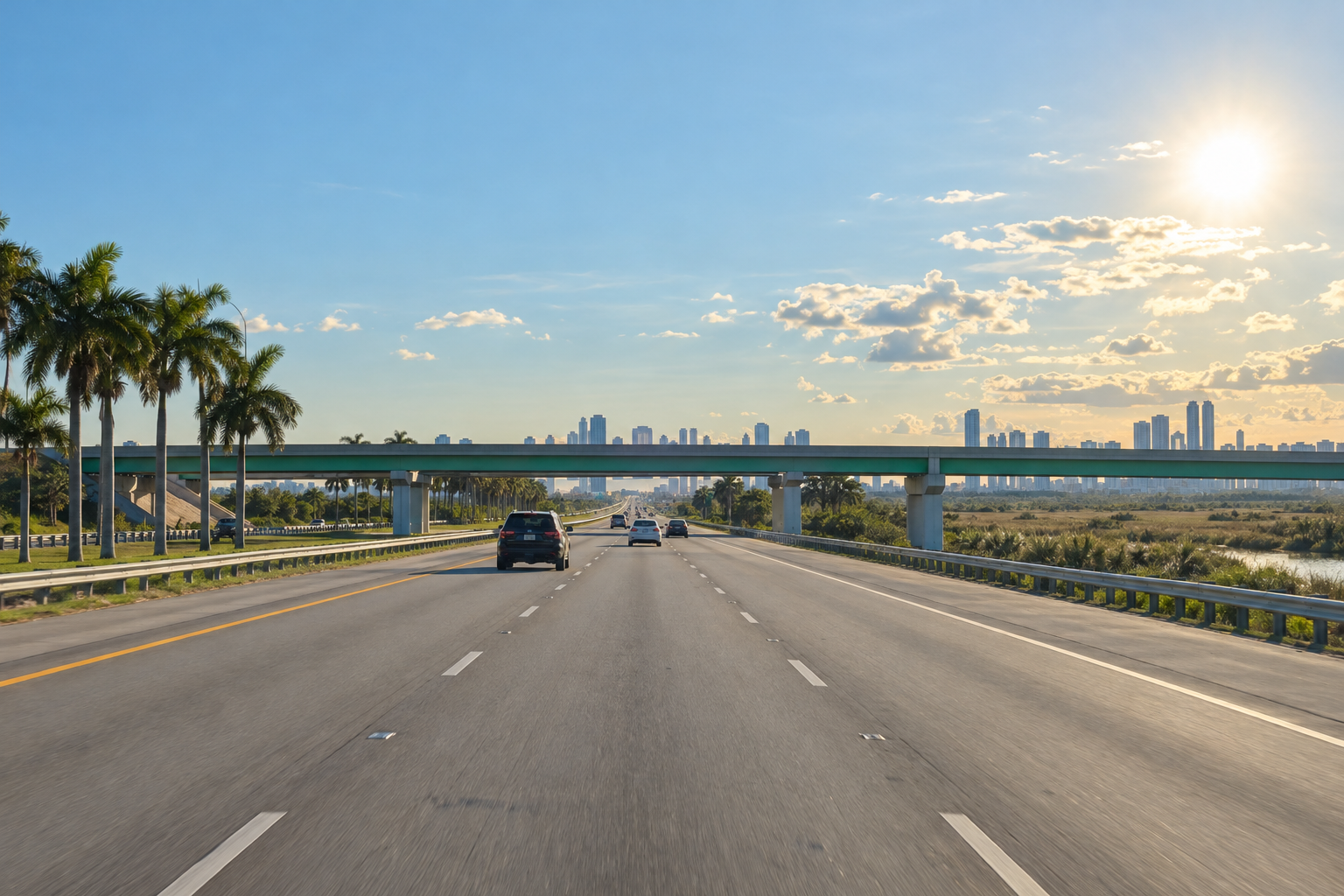
Before the list, orient yourself. South Florida is three counties stacked along I-95, each with its own school district, property appraiser, tax collector and transit agency. Picking a county is picking a bureaucracy.
| County | Population (2020) | County seat | School district | Main airport | Where to confirm taxes |
|---|---|---|---|---|---|
| Miami-Dade | ~2.7 million | Miami | Miami-Dade County Public Schools | Miami International (MIA) | Miami-Dade Property Appraiser |
| Broward | ~1.9 million | Fort Lauderdale | Broward County Public Schools | Fort Lauderdale-Hollywood (FLL) | Broward County Property Appraiser |
| Palm Beach | ~1.5 million | West Palm Beach | School District of Palm Beach County | Palm Beach International (PBI) | Palm Beach County Property Appraiser |
Florida has no state income tax. The state sales tax is 6% and each of these counties adds a local surtax on top; confirm the current combined rate on the Florida Department of Revenue’s county surtax chart, because surtaxes have sunset dates. Property tax is the one that varies most block to block, since every city, the county, the school district and special districts each levy their own millage.
1. Coral Gables (Miami-Dade): the top pick
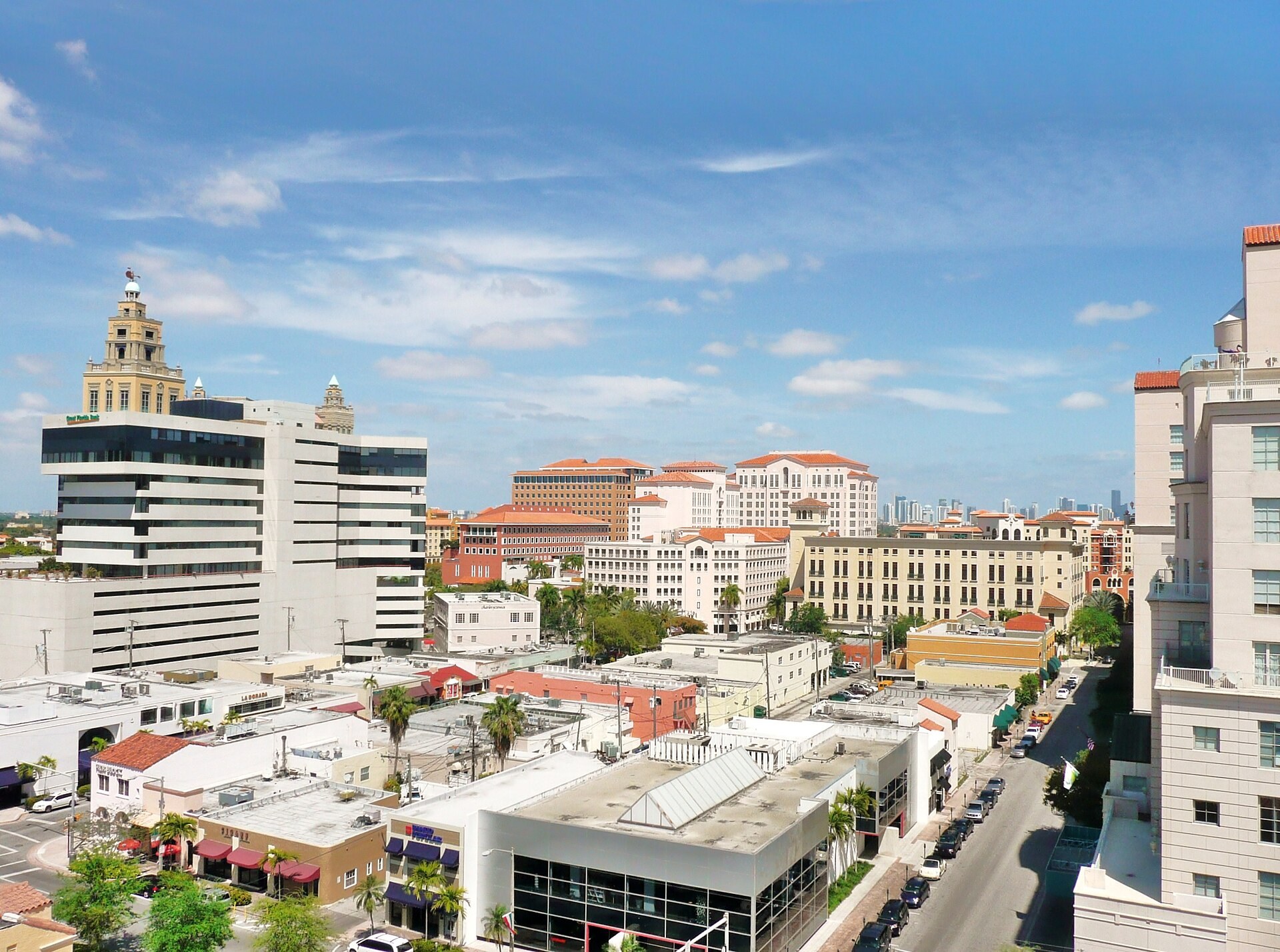
Coral Gables wins overall because it is the rare South Florida city where you can own a house with a yard, walk to dinner, and send your kids to public schools with consistently strong state grades, all within 20 minutes of downtown Miami and Brickell. The trade-off is price. You pay a clear premium over neighboring Miami neighborhoods, and the city’s architectural rules mean you will not be adding a modern box onto a Mediterranean Revival cottage without a hearing.
Who lives here. Professionals who work in Brickell, downtown or at the University of Miami, which sits inside the city limits. Many multi-generational Cuban-American families, plus a steady inflow of relocating executives. The population is older and wealthier than Miami as a whole.
Housing. Single-family homes dominate north of US-1 and in the Riviera and South Gables sections. Condos cluster along Ponce de Leon Boulevard and near Miracle Mile. Lots in Gables Estates and Cocoplum sit on the water and sell for the kind of money that makes the news. The city enforces strict design and landscaping standards, which keeps streets handsome and keeps permitting slow. Budget time, not just money, for any renovation.
Schools. Coral Gables is served by Miami-Dade County Public Schools, with Coral Gables Senior High as the main zoned high school. Several elementary schools in and around the city carry A grades. Check the district’s school locator for your exact address, because boundaries do not follow city limits neatly.
Commute. US-1 and the Metrorail stations at University, Douglas Road and South Miami put most of the city within reach of downtown without a car. By car, Brickell is 15 to 25 minutes depending on the hour. MIA is about 15 minutes up the Palmetto or Le Jeune Road.
Daily life. Miracle Mile and Giralda Plaza for restaurants, the Venetian Pool in summer, Matheson Hammock Park for a calm bayside beach, and the Coral Gables Branch Library on Segovia Street. The weekend beach run to Crandon Park on Key Biscayne is about 25 minutes.
Watch out for. Flooding in the low southeastern sections near the bay during king tides, and the Save Our Homes tax reset. A long-time owner’s tax bill tells you nothing about yours; the assessed value resets to market when the property changes hands.
2. Parkland (Broward)
Parkland is the best town in Florida to live in if your priority is a safe, spacious, school-focused suburb and you can live without walkability. The city was built around that promise. Commercial signage is restricted, big-box stores sit just outside the city line in Coral Springs and Coconut Creek, and most housing is in gated communities with lakes, trails and clubhouses.
Who lives here. Families with school-age kids, overwhelmingly. Many parents commute to Fort Lauderdale, Boca Raton or work remotely. The median home is a four- or five-bedroom house built after 2000.
Housing. Heron Bay, Parkland Golf & Country Club, Parkland Isles and the newer MiraLago and Parkland Bay communities make up most of the inventory. Older ranch-style homes on acre lots sit in the eastern “Ranches” section. Expect HOA dues, and in the newer communities a CDD assessment on the property tax bill. Ask the seller for both before you make an offer.
Schools. Parkland is zoned to Broward County Public Schools, with Marjory Stoneman Douglas High School and Westglades Middle at the center of the system. The zoned elementary schools have long records of A grades. Verify on the Broward district’s boundary tool, because growth on the west side has shifted lines more than once.
Commute. The Sawgrass Expressway runs along the city’s edge and connects to I-595 and Florida’s Turnpike. Fort Lauderdale is 35 to 50 minutes in rush hour. Boca Raton is 25 to 35 minutes via Glades Road. There is no rail station; the nearest Tri-Rail stops are in Pompano Beach and Deerfield Beach.
Daily life. Pine Trails Park for youth sports, the Parkland Library on Trails End, and the equestrian center for riding lessons. For a serious shopping trip you drive to Town Center at Boca Raton or Sawgrass Mills in Sunrise.
Watch out for. Distance from the coast is a plus for wind insurance but you are still in a hurricane-prone county. Check the FEMA map; parts of west Broward sit in AE zones even far from the ocean because of drainage canals.
3. Boca Raton (Palm Beach)
Boca Raton is the most complete package on this list. It has A-rated public schools, a Brightline station in the heart of downtown, a university with a stadium, five miles of public beach, and a job base that lets many residents skip the I-95 commute entirely. The cost is a housing market priced for people who have already noticed all that.
Who lives here. A real mix: corporate relocations drawn by employers in the office parks along Yamato Road and Congress Avenue, retirees in the country-club communities west of the Turnpike, FAU students and faculty, and families in the central neighborhoods between I-95 and the Intracoastal.
Housing. East Boca, roughly between Federal Highway and the ocean, is older, walkable and expensive. Central Boca between I-95 and Military Trail has 1970s and 1980s ranch houses and townhomes that represent the city’s best value. West Boca, outside the city limits in unincorporated Palm Beach County, is mostly gated communities with lower prices and higher HOA dues. Those addresses say “Boca Raton” but pay county, not city, taxes and services. Check the property appraiser’s parcel page for the taxing district.
Schools. Boca Raton Community High School and Spanish River High School both carry strong state grades, as do the zoned middle schools. Several city elementary schools are A-rated year after year. Confirm your zone on the School District of Palm Beach County’s locator.
Commute. Brightline’s Boca Raton station sits next to the downtown library and runs to Fort Lauderdale, Aventura, Miami, West Palm Beach and Orlando. Tri-Rail stops at Yamato Road. By car, Fort Lauderdale is 30 to 45 minutes, West Palm Beach 35 to 50.
Daily life. Mizner Park for restaurants and the amphitheater, Red Reef Park and Spanish River Park for beaches with parking, Gumbo Limbo Nature Center for kids, and Town Center at Boca Raton for the mall. The Boca Raton Public Library’s downtown branch is a genuinely good building.
Watch out for. Beach parking fees at the city parks for non-residents are steep enough that a resident beach permit pays for itself in a few visits. Confirm current fees on the city’s Recreation Services pages.
4. Jupiter (Palm Beach)
Jupiter is where South Florida starts to feel like the rest of coastal Florida: quieter, lower-rise, with a lighthouse, an inlet, and a beach where dogs are allowed on a long designated stretch. It ranks fourth rather than higher only because the commute to any big job center is long. If you work in Jupiter, Palm Beach Gardens or from home, move it up your list.
Who lives here. Scientists and staff at the research institutes near Donald Ross Road, medical professionals, pilots and flight crews, retirees, and families who chose the town for Jupiter High School and the beaches.
Housing. Abacoa is the walkable, planned neighborhood with a town center and a minor-league ballpark that hosts spring training. Older neighborhoods east of US-1 and along the Loxahatchee River have larger lots and water access. Jupiter Farms, west of the Turnpike, has acre-plus lots with no HOA, wells and septic, and a very different maintenance life. Admirals Cove and Jupiter Island are the premium tier.
Schools. Jupiter is zoned to the School District of Palm Beach County. Jupiter High School, Jupiter Middle and the local elementary schools have strong grade histories. The district operates several choice and career academy programs; check the current application windows on the district site each fall.
Commute. No rail. Tri-Rail’s northern terminus is Mangonia Park, about 20 minutes south. I-95 and the Turnpike are the only real options. West Palm Beach is 30 to 40 minutes, Boca Raton 45 to 60, Fort Lauderdale over an hour.
Daily life. Jupiter Beach Park and Carlin Park for the ocean, the Jupiter Inlet Lighthouse, Riverbend Park for kayaking and trails, and Harbourside Place for dinner on the water. The Jupiter Branch Library sits on Military Trail.
Watch out for. Much of the housing east of US-1 is in a coastal flood zone and a Category 1 or 2 evacuation zone. Get the flood quote before you fall in love with the view.
5. Weston (Broward)
Weston is the most tightly managed city in Broward, and it shows. Landscaping is uniform, the streets are clean, crime rates are among the lowest in the region, and nearly everyone lives in one of the planned villages built by Arvida from the 1980s onward. People either love the consistency or find it sterile. Families with young kids usually love it.
Who lives here. A large Latin American professional community, especially Venezuelan and Colombian families, plus corporate relocations and medical staff who work at Cleveland Clinic Florida’s Weston campus. The city has one of the higher median household incomes in Broward.
Housing. Single-family homes in Weston Hills, Savanna, The Falls, Bonaventure and similar communities, plus townhomes and some condos near Weston Town Center. HOA dues are universal and there are multiple layers of association in some villages. Houses tend to be 1990s and 2000s construction with concrete block and newer roofs, which helps on insurance.
Schools. Weston is served by Broward County Public Schools. Cypress Bay High School is one of the largest high schools in the state and carries an A grade. Falcon Cove Middle and the zoned elementaries have similar records. Boundaries are tight; confirm on the district tool.
Commute. I-75 and I-595 are the lifelines. Downtown Fort Lauderdale is 30 to 45 minutes. Miami is an hour or more. There is no rail, and the drive to the nearest Tri-Rail station at Fort Lauderdale is itself a commute.
Daily life. Weston Town Center for restaurants, the Weston Branch Library, Regional Park for sports fields, and Everglades Holiday Park a few minutes west for airboat rides and a reminder of what the land looked like before the drainage canals.
Watch out for. Weston was built on drained wetland. Parts of the city carry flood zone designations and insurance can run higher than you expect for a place 20 miles from the ocean. The Sawgrass Expressway toll and I-75 congestion add up if you commute daily.
6. Delray Beach (Palm Beach)
Delray Beach is the best choice on this list for people who want a beach town with a real main street. Atlantic Avenue runs from I-95 to the ocean, lined with restaurants, bars and galleries, and the municipal beach at the end of it is free to use with metered parking. Prices climbed hard after 2020 and the east side is no longer a bargain, but the city still beats Boca on cost for comparable walkability.
Who lives here. Younger professionals than Boca, a sizable retiree population in the communities west of I-95, a long-standing Haitian-American community, and artists and restaurant people who keep downtown lively.
Housing. East of the Intracoastal is the premium beach zone. Between Swinton Avenue and the Intracoastal you find 1920s to 1950s cottages, many renovated, some teardowns. Lake Ida has larger lots and a quieter feel. West of I-95 the market shifts to 55-plus communities and gated subdivisions, often listed with a Delray Beach address but outside city limits.
Schools. Delray is zoned to the School District of Palm Beach County. School grades here are more mixed than in Boca or Jupiter, and many families use the district’s choice programs or the International Baccalaureate program at Atlantic High School. Check each specific school’s current grade rather than assuming.
Commute. Tri-Rail stops at Delray Beach near Congress Avenue. Brightline does not stop here; Boca Raton is the nearest station, 15 minutes south. By car, Boca is 15 to 20 minutes and West Palm Beach 30 to 40.
Daily life. Atlantic Avenue and Pineapple Grove for dining, the Morikami Museum and Japanese Gardens just west of town, Wakodahatchee Wetlands for birding, and the Delray Beach Public Library on West Atlantic. The Delray Affair and the tennis tournament at the Delray Beach Tennis Center bring crowds in winter.
Watch out for. Downtown parking is tight on weekend nights, and the east side’s older housing stock often needs roof, electrical and window upgrades to qualify for affordable wind insurance. Ask for the four-point inspection report.
7. Palm Beach Gardens (Palm Beach)
Palm Beach Gardens is the quieter, more polished sibling of Jupiter, ten minutes closer to West Palm Beach and anchored by PGA National, the Gardens Mall and a cluster of hospitals and medical offices. It is a strong retirement pick and an underrated family choice because of its schools.
Who lives here. Retirees and semi-retirees in the country-club communities, medical professionals, and families in the neighborhoods along Military Trail and in Alton and Evergrene.
Housing. PGA National, BallenIsles, Frenchman’s Reserve and Mirasol dominate the premium end. Alton is a newer planned community near the research campuses with townhomes and smaller lots. Older neighborhoods near the Gardens Mall offer the closest thing to value in the city. Almost everything carries HOA dues; the club communities add mandatory membership on top.
Schools. Served by the School District of Palm Beach County. William T. Dwyer High School and Palm Beach Gardens High School are the zoned options, along with well-graded middle and elementary schools. Dwyer’s state grades have been consistently strong. Confirm zoning for your specific address.
Commute. I-95 and the Turnpike both run through the city. West Palm Beach is 20 to 30 minutes. Tri-Rail is reachable at Mangonia Park, about 15 minutes. No Brightline station; West Palm Beach is the nearest.
Daily life. The Gardens Mall and Downtown Palm Beach Gardens for shopping and restaurants, the PGA Tour event at PGA National each winter, and Juno Beach and its pier a few minutes east. The Gardens Branch Library sits on Burns Road.
Watch out for. Club membership requirements are real and non-negotiable in several communities. A listing price that looks fair can hide a six-figure initiation fee and annual dues. Ask before you tour.
8. Pinecrest (Miami-Dade)
Pinecrest is where Miami families go when they want a half-acre or more, a pool, and a canopy of oaks, within 25 minutes of Brickell. The village incorporated in 1996 largely to protect that character, and it has. There is almost no commercial development beyond the US-1 corridor, which is both the appeal and the limitation.
Who lives here. Physicians, attorneys, executives, and multi-generational Miami families. The village has one of the highest median household incomes in the county.
Housing. Nearly all single-family on lots of 20,000 square feet or more in the core, with newer construction replacing 1950s and 1960s ranch homes at a steady clip. There are no gated communities to speak of; the privacy comes from the lot size and the hedges. Condos are limited to a few buildings along US-1.
Schools. Pinecrest Elementary and Palmetto Elementary feed into Palmetto Middle and Miami Palmetto Senior High, all with long A-grade histories in the Miami-Dade system. These schools are a primary reason people buy here. Check boundaries, because the village line and the school zone line are not the same.
Commute. US-1 is the main artery, and the Dadeland South and Dadeland North Metrorail stations are just north of the village. Metrorail to Brickell takes roughly 25 minutes. Driving the same route in rush hour can take longer.
Daily life. Pinecrest Gardens, on the site of the original Parrot Jungle, is the village’s heart, with a farmers market and concerts. The Pinecrest Branch Library sits on Old Cutler Road. Deering Estate and Matheson Hammock are minutes away for the water. Dadeland Mall covers shopping.
Watch out for. The eastern edge near Old Cutler Road is lower and closer to Biscayne Bay. Flood zone designations vary house to house. The lots also mean serious landscaping and pool costs; budget for them.
9. Fort Lauderdale (Broward)
Fort Lauderdale is the best place on this list for someone who wants city life without Miami prices or Miami traffic. It has a downtown with a Brightline station, a Tri-Rail station at Broward Boulevard, an airport 10 minutes away, a public beach the length of the city, and more residential canal frontage than anywhere else in the region. It is a city of neighborhoods, so you choose by neighborhood, not by the city as a whole.
Who lives here. Everyone. Young professionals in Flagler Village and Downtown, families in Victoria Park, Coral Ridge and Rio Vista, boaters in Las Olas Isles and Harbor Beach, and a large LGBTQ community centered in Wilton Manors next door. Fort Lauderdale is the Broward County seat, so county government, the courts and the broward county clerk of courts offices are all downtown, and a lot of people who work there live within a few miles.
Housing. Victoria Park and Rio Vista offer 1920s to 1950s homes on walkable streets east of downtown. Coral Ridge, north of Sunrise Boulevard, has larger mid-century houses and deep-water lots. Flagler Village and Downtown are rental and condo towers. Tarpon River and Sailboat Bend are the affordable old neighborhoods close to downtown. West of I-95 the city becomes more suburban and more affordable, with mixed school grades.
Schools. Broward County Public Schools. Grades vary widely across the city. Bayview Elementary, Virginia Shuman Young Elementary and Harbordale Elementary are the names families chase on the east side. Fort Lauderdale High School and Stranahan High have improved; many families also use the district’s magnet programs. Check each school individually.
Commute. Brightline from the downtown station to Miami runs roughly 30 to 40 minutes. Tri-Rail at Broward Boulevard connects to the whole corridor. I-95, I-595 and US-1 cover driving. FLL airport is a genuine advantage if you travel for work.
Daily life. Las Olas Boulevard for dining, the Riverwalk and the Broward Center for the Performing Arts, Fort Lauderdale Beach with free sidewalk access and metered lots, Hugh Taylor Birch State Park, and the Broward County Main Library downtown.
Watch out for. The east side floods. King tides push water up the streets in the Isles and parts of Victoria Park each fall, and heavy rain events have swamped Edgewood and the areas near the airport. Elevation and flood zone matter more here than anywhere else on this list.
Local tip
In Fort Lauderdale, two blocks can mean the difference between a flood zone X and an AE. Pull the elevation certificate for the exact house, and talk to a neighbor about how the street handled the last October king tide before you commit.
10. Coral Springs (Broward)
Coral Springs is the practical pick. It was master-planned by Westinghouse starting in the 1960s, so the street grid is orderly, parks are everywhere, and housing stock is mostly single-family homes that cost noticeably less than in Parkland next door. The schools are solid, the sports programs are serious, and you are 25 minutes from the beach.
Who lives here. Middle-income families, teachers, nurses, first responders, and a growing number of buyers priced out of Parkland and Boca. The city is diverse and the median age is younger than the county’s.
Housing. Most homes are 1970s through 1990s concrete-block construction on quarter-acre lots, many with pools. Non-HOA neighborhoods exist, which is increasingly rare in west Broward. Newer gated communities sit along the western edge near the Sawgrass. Townhomes and condos cluster along University Drive and Wiles Road.
Schools. Broward County Public Schools. Coral Springs High, J.P. Taravella High, Coral Glades High and Marjory Stoneman Douglas (for some northern addresses) serve the city. Grades range from A to B depending on the school. Several elementaries are consistently A-rated. Boundaries matter a lot here; verify.
Commute. The Sawgrass Expressway on the west, the Turnpike on the east. Fort Lauderdale is 30 to 45 minutes. Boca Raton is 25 to 35. No rail station; Pompano Beach Tri-Rail is the closest.
Daily life. The Coral Springs Center for the Arts, Cypress Park and Mullins Park for youth leagues, the Northwest Regional Library on Coral Springs Drive, and the city’s own aquatic complex. Sawgrass Mills is 15 minutes south.
Watch out for. Older roofs and original windows on the 1970s houses. Insurers have become strict about roof age; a house with a 20-year-old shingle roof may be uninsurable through standard carriers until you replace it. Price that into your offer.
11. Wellington (Palm Beach)
Wellington is the equestrian capital of the East Coast each winter, when the show season brings riders, owners and money to the show grounds on the village’s south side. The rest of the year it is a large, leafy suburb west of West Palm Beach with good schools, big lots and a long commute to anywhere on I-95.
Who lives here. Equestrian families, people who work in the medical and professional offices around Wellington Regional Medical Center, and families who want a bigger house than they could afford in Palm Beach Gardens or Boca.
Housing. The Palm Beach Polo and Equestrian neighborhoods are premium. Olympia, Versailles and the Isles at Wellington are gated family communities. Original Wellington, closer to Forest Hill Boulevard, has 1980s homes at the village’s lower price tier. The equestrian preserve areas allow barns and paddocks, and lot sizes there are measured in acres.
Schools. School District of Palm Beach County. Wellington High School and Palm Beach Central High are the zoned schools, with grades in the A to B range. Elementary and middle schools in the village have strong records. Check the current grades on the state’s site.
Commute. Southern Boulevard (US-441/SR 80) and Forest Hill Boulevard are the routes east. West Palm Beach is 30 to 45 minutes in traffic, longer during show season. No rail. The Turnpike is reachable via Lake Worth Road or Southern.
Daily life. The Mall at Wellington Green, the show grounds for polo and jumping, Wellington Environmental Preserve, and the Wellington Branch Library on Forest Hill. The village runs a large aquatics complex and the amphitheater hosts free concerts.
Watch out for. Traffic on Southern Boulevard during the winter show season is real and adds 15 to 20 minutes to the drive. Wellington also sits on former Everglades farmland, so check drainage and flood zone designations.
12. Key Biscayne (Miami-Dade)
Key Biscayne is the best island living in Florida for someone who still needs to be in Brickell by 9 a.m. The village sits at the end of the Rickenbacker Causeway, 15 minutes from downtown in good traffic, with two large parks bookending it and a beach that locals rank among the best miami beaches for families. The price is premium, the island is in evacuation zone A, and a single causeway is your only road.
Who lives here. Wealthy professionals, a large Latin American expatriate community, diplomats and executives on assignment, and long-time families who bought decades ago. The village is small enough that people know each other.
Housing. Single-family homes on the island’s interior and canal streets, condos along the ocean on the east side, and a few larger estates on the bay. Nearly everything is expensive. Older condos are going through the state’s post-Surfside inspection and reserve requirements, so ask for the milestone inspection report and the structural integrity reserve study before buying into any building three stories or taller.
Schools. Key Biscayne K-8 Center is the zoned public school and carries an A grade. High school students are zoned to MAST Academy, a magnet, or to Coral Gables Senior High. Check the Miami-Dade district site for the current arrangement.
Commute. The Rickenbacker Causeway, which carries a toll for drivers heading onto the island. Brickell and downtown are 15 to 30 minutes depending on the hour. Causeway closures for events and weather happen; have a plan for them.
Daily life. Crandon Park on the north end, Bill Baggs Cape Florida State Park on the south, the Key Biscayne Branch Library, the Ritz-Carlton for a splurge, and a compact village center with groceries and restaurants. Boating from the island is as good as it gets in Miami.
Watch out for. Hurricane evacuation is mandatory in zone A for even moderate storms. Flood insurance is not optional on most of the island, and sea level projections matter for a 30-year mortgage here more than anywhere else on this list.
13. Doral (Miami-Dade)
Doral is the most purpose-built city in Miami-Dade for people who work near the airport, run a logistics or import-export business, or fly weekly. It incorporated in 2003 and has grown quickly, with new condos, townhomes and a downtown district built from scratch. It is also, by a wide margin, the most Venezuelan city in the United States, which shapes the restaurants and the social life.
Who lives here. Latin American business families, young professionals, airport and cargo industry workers, and a growing number of families drawn by the city-run charter schools.
Housing. Doral Isles, Islands at Doral and the Trump National Doral neighborhoods are the established single-family areas. Downtown Doral and CityPlace Doral are newer mid-rise condos and townhomes. Prices rose quickly through the 2020s but remain below Coral Gables and Pinecrest for comparable square footage. HOA dues are the rule.
Schools. Miami-Dade County Public Schools serve the city, and Doral also runs its own charter schools through the city, including Doral Academy campuses, which have A grades and long wait lists. Ronald W. Reagan/Doral Senior High is the zoned public high school. Apply early for the charters; lotteries are competitive.
Commute. MIA is 10 to 15 minutes. The Palmetto (SR 826), the Dolphin Expressway (SR 836) and the Turnpike all touch the city. Brickell and downtown are 25 to 40 minutes. Tri-Rail’s Miami Airport station is the nearest rail.
Daily life. Doral Glades Park, the Doral Branch Library, Downtown Doral’s restaurants, and dolphin mall on the city’s edge for discount shopping and a food court with plenty of parking. Golf at the Doral courses is the city’s calling card.
Watch out for. Doral sits next to the county’s landfill and several industrial zones. Some neighborhoods get odor complaints on hot, still days. Visit in August, not January, before buying.
14. Pembroke Pines (Broward)
Pembroke Pines is the best value among the best places to move in Florida if you want South Florida schools and amenities at a price that still makes sense for a household with one or two ordinary incomes. It is the second-largest city in Broward, which means traffic on Pines Boulevard is a daily fact, but it also means a hospital, a mall, a large park system and city-run charter schools that families line up for.
Who lives here. Working families, a large Caribbean and Latin American community, city and county employees, and first-time buyers moving up from rentals in Miramar and Hollywood.
Housing. The city runs west from Florida’s Turnpike almost to US-27. Eastern neighborhoods near University Drive are 1970s and 1980s houses on standard lots. Central Pembroke Pines has 1990s gated communities around Pembroke Lakes Mall. Western Pines, including Chapel Trail and Silver Lakes, is newer and more uniform. Condos and townhomes line Pines Boulevard. Many neighborhoods have no HOA, which keeps monthly costs down.
Schools. Broward County Public Schools plus the Pembroke Pines Charter School system, which the city operates with its own elementary, middle and high school campuses and consistently strong grades. Charles W. Flanagan High School and West Broward High are the main district high schools. Apply for the city charters early; residents get priority.
Commute. I-75 and the Turnpike. Fort Lauderdale is 25 to 40 minutes, downtown Miami 35 to 50. No rail; Tri-Rail at Hollywood or Sheridan Street is the nearest, 15 to 20 minutes east.
Daily life. C.B. Smith Park with its water park and campground, Pembroke Lakes Mall, Chapel Trail Nature Preserve, the Southwest Regional Library on Pines Boulevard, and the city’s own Frank Ortis arts center.
Watch out for. Pines Boulevard and Sheridan Street traffic at school dismissal and 5 p.m. is among the worst in Broward. If you work east, test the drive before signing. Western neighborhoods border the Everglades conservation area and carry flood zone designations; check each address.
15. Aventura (Miami-Dade)
Aventura is a small, dense city of condo towers on the Intracoastal at the Miami-Dade and Broward line. It has a Brightline station, a mall that is a destination in its own right, a city-run K-8 charter and high school, and a walkable core along Country Club Drive. If you want to live without a lawn and ride the train to Miami or Fort Lauderdale, it is the best place to do that between the two cities.
Who lives here. Retirees and snowbirds in the older towers, young families and professionals in the newer buildings, and a large international community, particularly from Latin America and Israel. The city’s median age is higher than the county’s.
Housing. Almost entirely condos. Waterways and Turnberry buildings on the water are premium. Older 1970s and 1980s towers along Biscayne Boulevard and Country Club Drive are the value end, but they are the buildings most affected by the state’s milestone inspection and reserve funding laws. Monthly assessments in older buildings have risen sharply; get the budget and the latest inspection before you offer. A few single-family enclaves exist in Aventura’s Lakes neighborhoods and in nearby Golden Beach.
Schools. The city operates Aventura City of Excellence School (K-8) and Don Soffer Aventura High School, both charters with A grades and resident priority. Miami-Dade County Public Schools cover the zoned options otherwise. Confirm enrollment windows on the city site each winter.
Commute. Brightline’s Aventura station is a few minutes from most buildings and reaches downtown Miami in about 20 minutes and Fort Lauderdale in similar time. Biscayne Boulevard and I-95 via Ives Dairy Road cover the drive. FLL and MIA are each 25 to 35 minutes.
Daily life. Aventura mall for shopping, dining and the art installations, Founders Park and Waterways Park, the Aventura Branch Library, and the three-mile walking loop around Country Club Drive that half the city uses every morning. Hallandale Beach and Sunny Isles are 10 minutes for the ocean.
Watch out for. Condo special assessments. Ask the association for the last three years of minutes, the reserve study and the milestone inspection status. A low list price in an older tower often has an assessment attached.
Places that nearly made the list
- Davie and Cooper City (Broward). Davie has larger lots, horses and Nova Southeastern University; Cooper City has a small-town feel and strong schools. Both are mid-priced and both are worth a look if Pembroke Pines feels too busy.
- Plantation (Broward). Central Broward location, solid schools in the eastern neighborhoods, and quick access to I-595. Housing from the 1960s and 1970s needs the usual roof and window scrutiny.
- Palmetto Bay (Miami-Dade). Pinecrest’s southern neighbor with lower prices, the Deering Estate and a village hall that runs good youth programs. Flood exposure near the bay is the trade-off.
- Hollywood Lakes (Broward). Older homes on wide streets a short walk from the Hollywood Beach Broadwalk and a Tri-Rail station. Grades at the zoned schools are mixed.
- Lake Worth Beach (Palm Beach). The most affordable coastal downtown in the county, with a Tri-Rail station and a growing arts scene. Older housing stock and variable school grades.
- Wilton Manors (Broward). A small, walkable city next to Fort Lauderdale with its own main street on Wilton Drive. Mostly 1950s homes; flood zones vary by block.
- Miramar (Broward). Big, diverse, and cheaper than Pembroke Pines for similar houses. Western Miramar has newer construction and long commutes.
Beyond South Florida: picks elsewhere in the state
If your job or family pulls you north or west, these are the places that keep showing up on best florida cities to live in lists for good reasons. Each has a different cost structure from South Florida and generally lower insurance premiums the farther you get from the coast.
- Tampa. Hyde Park and the Spanishtown Creek area for historic walkable streets near Bayshore Boulevard; Harbour Island for downtown condo living with a bridge to the Riverwalk. Riverview, southeast of the city, is where families go for new construction at prices well below South Florida, with a commute to downtown Tampa on I-75 and US-301 that has grown with the area.
- St. Petersburg. The best downtown on the Gulf side, a strong arts scene and beaches 20 minutes west. Flood and surge exposure is significant; the 2024 storms made that clear.
- Orlando. Audubon Park for a tree-lined, bikeable neighborhood with a farmers market; Delaney Park for 1920s bungalows near downtown; North Quarter for apartments and walkability. Orlando’s job base and the Brightline station at the airport make it the most practical inland city.
- Sarasota. Siesta Key beach, a real cultural calendar, and prices that rose sharply through the 2020s. Strong retiree draw.
- Naples. Expensive, orderly and beautiful, with the lowest crime rates in the state’s larger cities. Best for retirees with money.
- Gainesville. The University of Florida, a top-tier hospital system, low housing costs and a college-town pace. Best for academics, medical staff and remote workers.
- Jacksonville. The most affordable large city in Florida, with beaches, a Navy presence and a lot of land. Neighborhoods vary enormously; research by ZIP code, not by city.
What living in South Florida actually costs
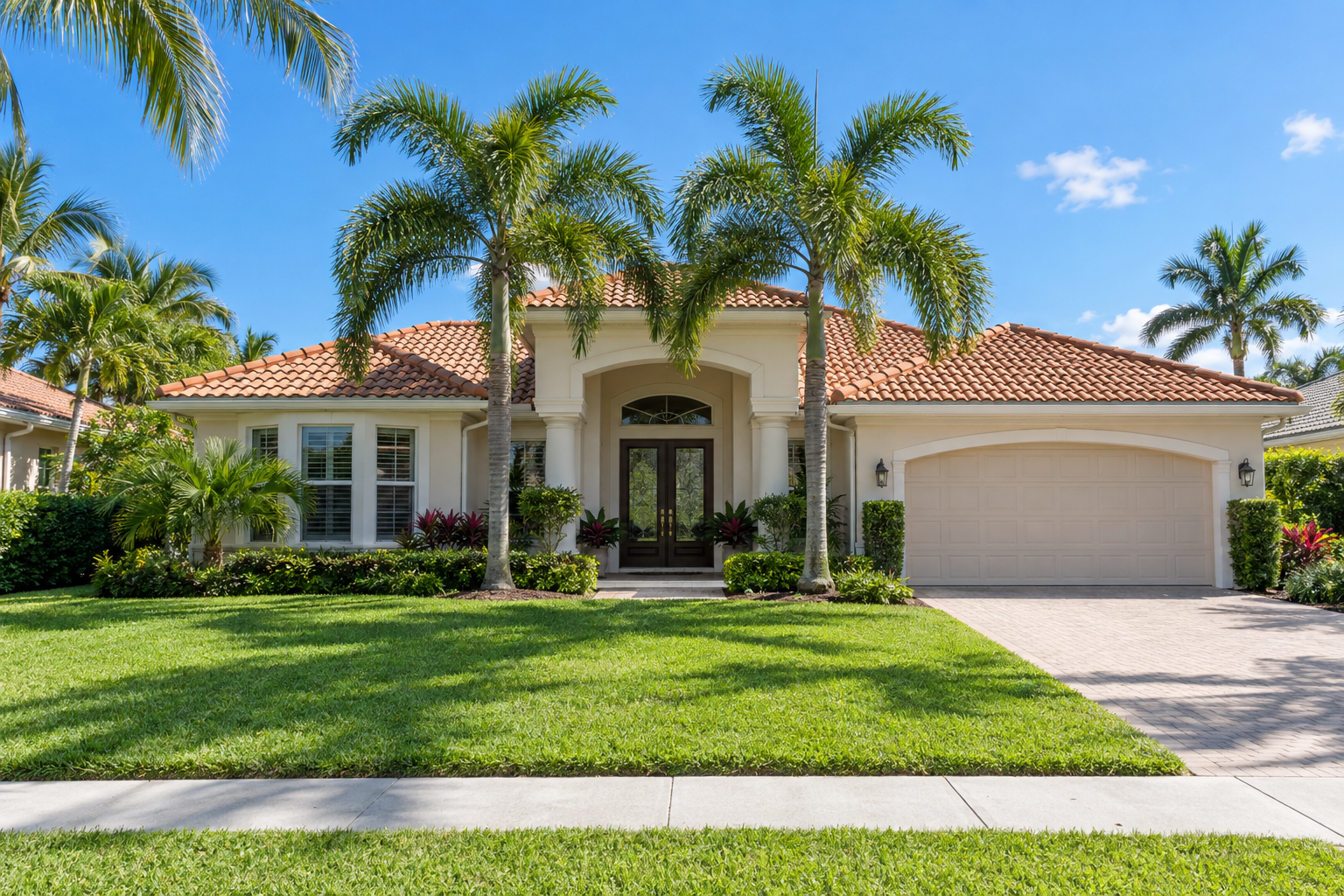
Housing is the headline cost, but it is the recurring items that surprise people who move from other states. Here is the list, who sets each one, and where you confirm it.
| Cost item | Who sets it | Where to confirm |
|---|---|---|
| Property tax | County, city, school district, special districts | County property appraiser (estimate tool) and tax collector |
| Homestead exemption | Florida law, applied by county | County property appraiser, file by March 1 |
| Wind and homeowners insurance | Private carriers or Citizens | Independent agent; Florida Office of Insurance Regulation |
| Flood insurance | NFIP or private flood carriers | FEMA flood map service; your agent |
| HOA dues | Homeowners association | Association budget, estoppel letter at closing |
| CDD assessment | Community Development District | Appears on tax bill; county tax collector |
| Condo assessments | Condo association | Budget, reserve study, milestone inspection report |
| Sales tax | State plus county surtax | Florida Department of Revenue surtax chart |
| Tolls | Florida’s Turnpike, MDX, county | SunPass account; toll authority sites |
Property taxes. Florida’s homestead exemption removes up to $50,000 of assessed value from most of your tax bill if the home is your primary residence, and the Save Our Homes cap limits annual assessed-value increases on a homesteaded property to 3% or the change in the consumer price index, whichever is lower. The important point for buyers: that cap resets when a home sells. Use the property appraiser’s tax estimator with the price you plan to pay, not the seller’s current bill. File for homestead with the county property appraiser by March 1 of the year after you buy.
Insurance. This is the cost that has reshaped where people buy. Carriers weigh roof age, roof shape, window protection, construction type, distance to the coast and flood zone. A 2005-built concrete-block house with a hip roof and impact windows in west Broward quotes very differently from a 1960s frame house with a 15-year-old shingle roof in east Fort Lauderdale. Citizens Property Insurance is the state-backed insurer of last resort; if you end up there, expect periodic requirements to move to a private carrier when one offers coverage. Get the quote before you make an offer, not after inspection.
Flood. A mortgage lender will require flood insurance in a Special Flood Hazard Area (zones A and V). Even in zone X, flood coverage is worth buying in South Florida, because rain-driven flooding does not respect the map. An elevation certificate for the specific house is the document that determines the NFIP premium.
HOA and CDD. Master-planned communities in Weston, Parkland, west Boca, Wellington and western Pembroke Pines almost always carry HOA dues, and many newer ones carry a CDD assessment that funded roads and drainage and shows up on the property tax bill for 20 or 30 years. Ask the seller’s agent for both figures in writing.
Condos. After the 2021 Surfside collapse, state law now requires milestone structural inspections and structural integrity reserve studies for condo buildings three stories or taller once they reach a set age, and associations must fund reserves for structural items. Older buildings in Aventura, Key Biscayne, Fort Lauderdale and along the beaches have raised monthly assessments and levied special assessments to comply. Read the inspection report and the reserve study before you buy, every time.
Good to know
Two things catch newcomers every year: the property tax bill resets to market value when you buy, so the seller’s bill is not yours; and insurers can decline a house over roof age alone. Get the tax estimate and the insurance quote in writing before you waive any contingency.
Getting around: rail, roads and what commute times really look like
South Florida is a car region with a rail spine. The spine matters more every year as I-95 fills up.
| Line | Route | Stations relevant to this list |
|---|---|---|
| Brightline | Miami to Orlando via the coast | MiamiCentral, Aventura, Fort Lauderdale, Boca Raton, West Palm Beach |
| Tri-Rail | Miami Airport to Mangonia Park | Stops in Hollywood, Fort Lauderdale, Pompano, Deerfield, Boca (Yamato), Delray, Lake Worth, West Palm |
| Metrorail | Miami-Dade, Palmetto to Dadeland South, plus MIA branch | Dadeland (Pinecrest), University and Douglas Road (Coral Gables), Brickell, downtown |
| Metromover | Free loop through downtown Miami and Brickell | Downtown, Brickell, Omni |
Brightline is the premium option: faster, more comfortable, priced accordingly, with parking at most stations. Tri-Rail is the commuter workhorse, cheaper and slower, with a free shuttle network at many stations. Metrorail is the only true rapid transit in the region and only serves Miami-Dade. Confirm schedules and fares on each operator’s site; all three adjust them.
By car, the honest numbers: I-95 between Boca Raton and Fort Lauderdale moves at highway speed at 10 a.m. and at 15 miles per hour at 5:15 p.m. The Turnpike is usually faster than I-95 for north-south trips and costs a toll. I-595 and I-75 serve the western suburbs. The Palmetto and Dolphin expressways are the Miami-Dade arteries and the Dolphin carries tolls through the MDX system. Everyone uses SunPass; set up the account before you move.
When to get help
Hire a buyer’s agent who works the specific city, not the whole region; ask them for the last 90 days of closed sales on your target streets. Use an independent insurance agent before you offer, not the lender’s referral after. For school zoning disputes, call the district’s boundary office directly; for property tax questions, the county property appraiser’s customer service line answers quickly in all three counties. For title or lien questions on a specific parcel, the clerk of courts in each county maintains the official records search.
Choosing between the top three
Most relocating households narrow to Coral Gables, Parkland and Boca Raton. Here is how to break the tie.
Pick Coral Gables if you work in Miami, value walking to dinner and want the Metrorail as a backup. You will pay the most and get the most urban life. It is wrong for you if you want a new house in a gated community or hate permitting.
Pick Parkland if you work remotely or in north Broward, have kids in elementary school, and want the quietest, safest streets on this list. It is wrong for you if you want to walk anywhere or if a 45-minute drive to a restaurant row bothers you.
Pick Boca Raton if you want a mix: a downtown, a train, the beach, strong schools, and a job market inside the city. It is wrong for you only if the price is wrong, in which case look at Delray Beach’s Lake Ida area or central Boca’s older neighborhoods.
For value with no compromise on schools, Pembroke Pines is the answer. For the beach as a daily habit, Jupiter. For no car at all, Aventura or downtown Fort Lauderdale.
FAQ
What is the best place to live in Florida overall?
For South Florida, Coral Gables, because it combines walkability, A-rated public schools, Metrorail access and a short commute to Miami’s job centers. Statewide, the answer depends on your job: Tampa and Orlando offer lower costs and growing employment, while Boca Raton is the strongest all-around pick on the southeast coast.
Which Florida cities are best for families?
Parkland, Weston, Pembroke Pines and Boca Raton in South Florida, all with strong public school grades, parks and low crime. Outside the region, Riverview near Tampa and the Orlando suburbs offer similar family amenities at lower prices. Always verify the zoned schools for a specific address on the district’s locator tool.
Where is the most affordable place to live in South Florida with good schools?
Pembroke Pines, followed by Coral Springs and Miramar. All three have A- and B-rated schools, no-HOA neighborhoods, and single-family homes priced well below Boca Raton, Parkland and the Miami-Dade suburbs. Expect longer commutes to the coast.
Is it better to live in Miami-Dade, Broward or Palm Beach County?
Miami-Dade has the biggest job market, the only rapid transit and the highest prices. Broward sits in the middle on cost and commute and has the most family suburbs. Palm Beach County is quieter, with excellent schools in its southern and northern cities and the longest drives to Miami. Pick by where you work.
How much does homeowners insurance cost in South Florida?
Premiums vary so much by roof age, construction, distance to the coast and flood zone that any single number would mislead you. Get a written quote from an independent agent for each specific address before you make an offer, and ask about Citizens Property Insurance if private carriers decline.
Do I need a car in Fort Lauderdale or Boca Raton?
You can live without one in downtown Fort Lauderdale or east Boca Raton if you work near a Brightline or Tri-Rail station, since both cities have walkable cores with groceries and restaurants. Everywhere else on this list, a car is a practical necessity.
When should I visit before deciding where to move?
Visit twice: once in July or August to feel the heat and afternoon storms, and once during a weekday rush hour to test the commute. Many people who move in February and buy in March regret not seeing their street in summer.
Where do I confirm school grades and boundaries?
School grades are published each year by the Florida Department of Education. Boundaries are set by each county district: Miami-Dade County Public Schools, Broward County Public Schools and the School District of Palm Beach County each have an address lookup tool. City-run charters in Pembroke Pines, Doral and Aventura have separate enrollment windows on the city websites.