Coral Gables is a separate city of about 50,000 people in Miami-Dade County, just southwest of downtown Miami and a short drive from Miami International Airport. Visitors come for the Venetian Pool, the Biltmore Hotel, Miracle Mile and Fairchild Tropical Botanic Garden, while residents deal with their own city government, police, permits and a strict architectural review board. This guide covers what to see, how to get around and park, and the city services and rules you need if you live here or are thinking of moving.
Plan your visit
- Book a Venetian Pool time slot online through the city before you go.
- Park once in a city garage near Miracle Mile and walk downtown.
- Have lunch on Giralda Plaza or along Miracle Mile.
- Visit the Coral Gables Museum and Books & Books on Aragon Avenue.
- Drive to the Biltmore Hotel for the lobby, the tower view and a drink.
- Spend a morning at Fairchild Garden or Matheson Hammock on Old Cutler Road.
- Finish with dinner downtown or a show at the Miracle Theatre.
What Coral Gables is, and why it looks different
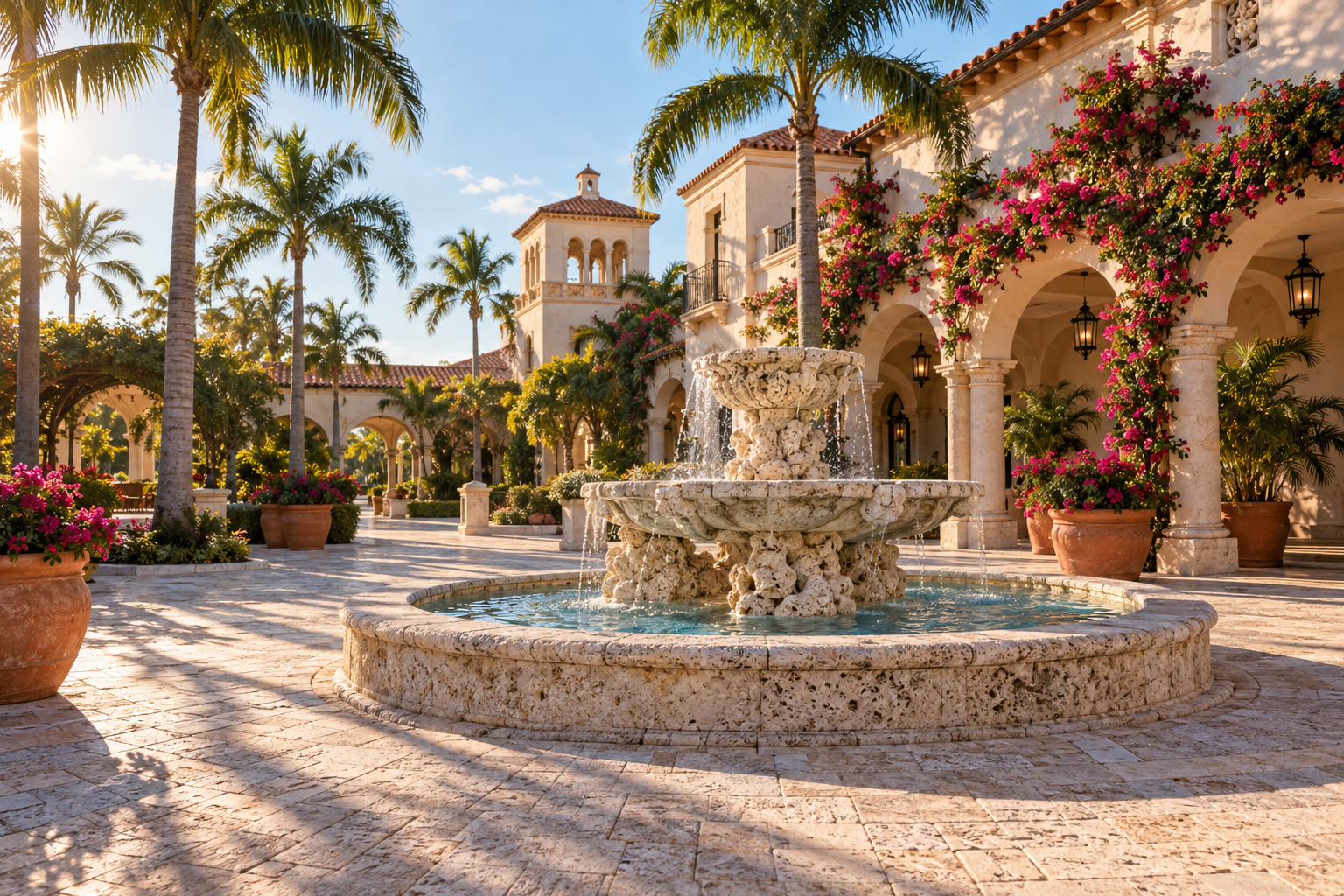
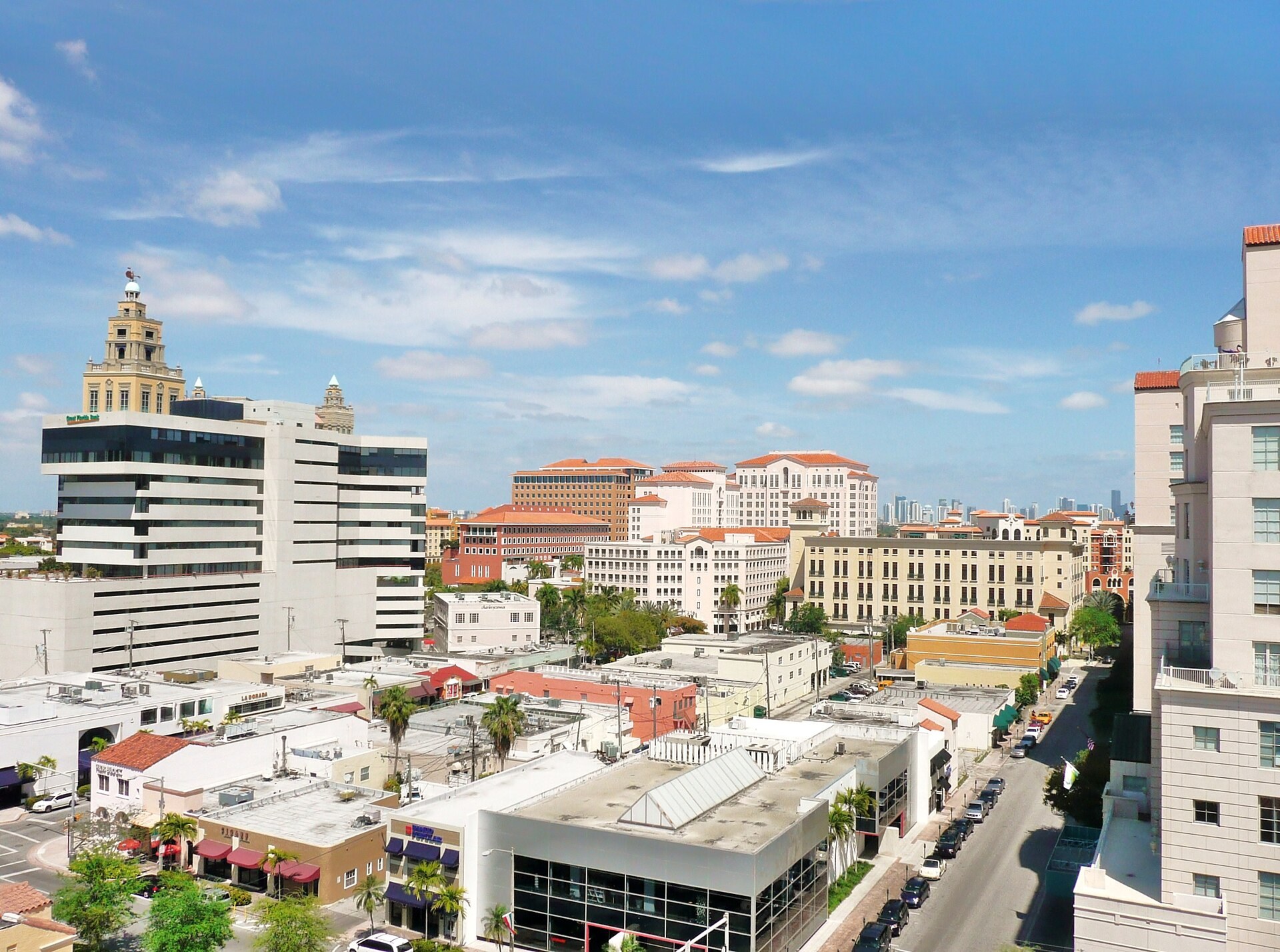
George Merrick planned Coral Gables in the early 1920s on his family’s citrus and avocado land, and it incorporated as a city in 1925. He sold it as “The City Beautiful,” and that phrase still shapes daily life, because the city’s design rules were written to protect Merrick’s Mediterranean Revival vision of coral rock, barrel tile roofs, plazas, fountains and tree-lined boulevards with Spanish street names.
That history explains much of what you will notice in your first hour here. Streets are named Alhambra, Granada, Segovia and Valencia, street signs sit on low white stone markers that are easy to miss, and the canopy of banyans and live oaks is dense enough that you spend much of your time in shade. The city is also part of greater Miami without being part of the City of Miami, so it runs its own police, fire, parks and code enforcement.
What you need
- Venetian Pool reservation and photo ID
- Reef-safe sunscreen, hat and refillable water bottle
- ParkMobile app or a card for pay stations
- Light rain jacket from June to October
- Comfortable walking shoes for downtown
Getting there and parking
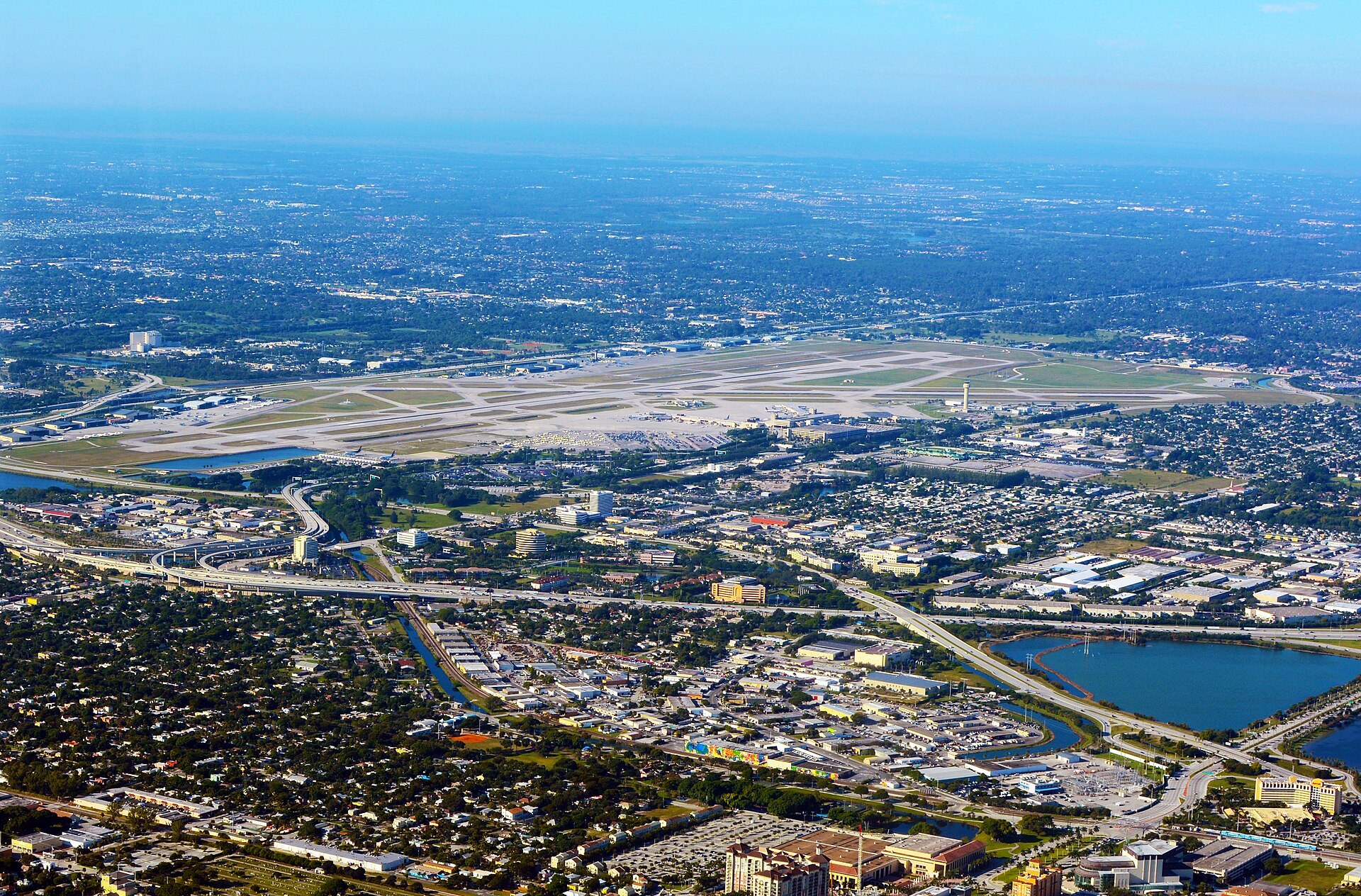
Coral Gables sits directly south of Miami International Airport, and the drive to downtown Coral Gables or the Biltmore usually takes 15 to 25 minutes depending on traffic on LeJeune Road (SW 42nd Avenue) or Douglas Road (SW 37th Avenue). If you are arriving by air, our Miami International Airport guide covers terminals, rental cars and transit links in more detail. From Brickell and downtown Miami, Coral Way (SW 22nd Street) and US-1 (South Dixie Highway) are the two main approaches.
Metrorail, trolley and on-demand rides
Two Metrorail stations serve the city: Douglas Road station near the northeast corner and University station on US-1, across from the University of Miami. The free Coral Gables Trolley runs along Ponce de Leon Boulevard, connecting Douglas Road station with downtown and the business district to the north, which makes a car-free day trip realistic if you stay downtown. The city has also offered free on-demand electric rides within its limits through a partner service, so check the city’s transportation pages for current zones and hours before relying on it.
Parking downtown
The city runs several public parking garages within a block or two of Miracle Mile and Giralda Plaza, plus metered street parking enforced through pay stations and the ParkMobile app. For anything longer than a quick stop, a garage is usually the better value and saves you from feeding a meter. Rates and enforcement hours change, so confirm them on the city’s parking page or the signage at each garage.
Good to know
Street parking downtown is strictly enforced, and residential streets near the University of Miami and Merrick Park often carry permit-only restrictions that catch visitors out. Read every sign before you walk away from the car.
Local tip
Park in a city garage just off Miracle Mile, then ride the free trolley along Ponce de Leon if you want to reach the museum district or Merrick Park without moving the car again.
Things to do in Coral Gables
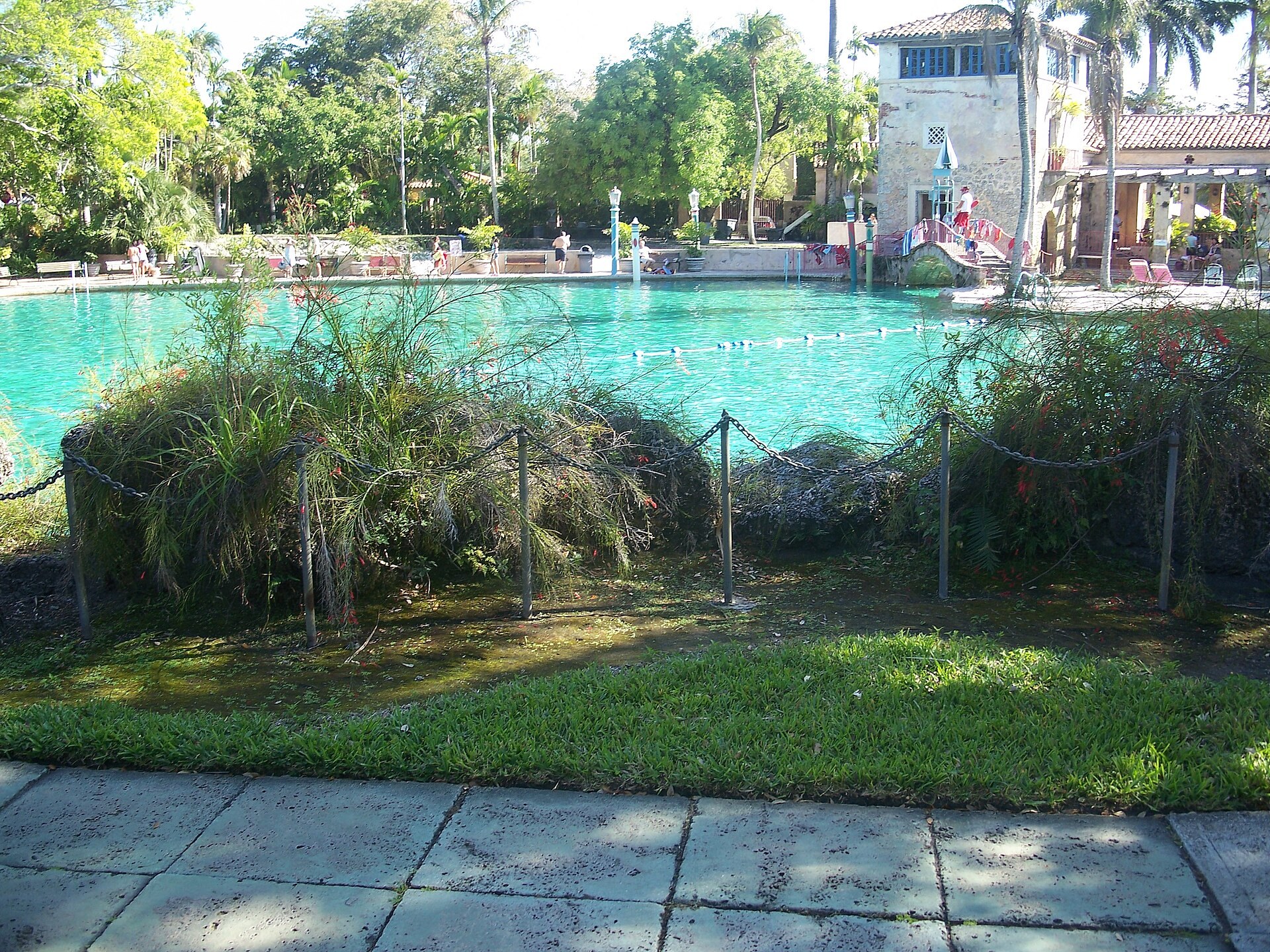
The main sights cluster in three zones: downtown around Miracle Mile, the historic core around the Biltmore and Venetian Pool, and the green southern stretch along Old Cutler Road. You can see the first two in a day and save the third for a morning.
| Place | Address | Best for |
|---|---|---|
| Venetian Pool | 2701 De Soto Blvd | Historic swim, families |
| Biltmore Hotel | 1200 Anastasia Ave | Architecture, brunch |
| Coral Gables Museum | 285 Aragon Ave | City history, design |
| Lowe Art Museum | 1301 Stanford Dr | Art on the UM campus |
| Merrick House | 907 Coral Way | Founder’s family home |
| Fairchild Tropical Botanic Garden | 10901 Old Cutler Rd | Tropical plants, half day |
| Matheson Hammock Park | 9610 Old Cutler Rd | Atoll pool, bay views |
| Shops at Merrick Park | 358 San Lorenzo Ave | Upscale shopping |
Venetian Pool
Venetian Pool is the one place most visitors cannot leave without seeing. It was carved from a coral rock quarry in the early 1920s and is fed by spring water from the aquifer below, with waterfalls, grottoes, a stone bridge and Venetian-style loggias, and it is listed on the National Register of Historic Places. The city operates it, requires timed reservations on most days, charges lower rates to residents, and sets minimum age and height rules for young children, so read the requirements before you bring toddlers.
The pool closes for part of the winter for maintenance and runs shorter hours in the cooler months, and the exact dates shift each year. Check the Venetian Pool page on the city’s website for the current calendar, rates and reservation link before you plan a day around it.
The Biltmore Hotel
The Biltmore opened in 1926 and is now a National Historic Landmark, with a 315-foot tower modeled on the Giralda bell tower in Seville that you can see from much of the city. Its huge pool was once the largest pool in the world, and Olympic swimmer Johnny Weissmuller, before he became famous as the screen’s Tarzan, worked there as an instructor. You do not need to be a guest to walk through the lobby and courtyard, have a drink, or book the well-known Sunday brunch.
The city-owned Biltmore Golf Course wraps around the hotel and is open to the public, with resident rates. Ask at the front desk or the concierge whether historic tours of the hotel are running during your visit, since the schedule has changed over the years.
Downtown: Miracle Mile and Giralda Plaza
Miracle Mile is the stretch of Coral Way between Douglas Road and LeJeune Road, and despite the name it is only about half a mile long. A streetscape renovation widened the sidewalks and added shade and seating, and the blocks now hold restaurants, bridal shops, salons, galleries and the Actors’ Playhouse at the Miracle Theatre, a restored 1940s movie house that stages musicals and plays.
One block north, Giralda Avenue between Ponce de Leon Boulevard and Galiano Street was converted into a pedestrian plaza lined with outdoor tables, and it is where most locals send friends for dinner. A short walk away on Aragon Avenue, the flagship Books & Books store, the Coral Gables Art Cinema and the Coral Gables Museum sit within a few doors of each other.
Museums and the arts
The Coral Gables Museum occupies the city’s former police and fire station, a 1939 building in coral rock, and focuses on architecture, urban design and the city’s history, with rotating exhibitions that are usually better than you expect from a small museum. The Lowe Art Museum on the University of Miami campus holds a broad permanent collection that runs from antiquities to contemporary work.
The Merrick House on Coral Way is the restored family home where George Merrick grew up, and it shows how the area looked when it was still farmland. Check each museum’s own site for days open, admission and tour times, because the smaller venues keep limited hours.
The villages, entrances and historic landmarks
Merrick commissioned a series of themed residential clusters in the 1920s, including the Chinese Village, French Normandy Village, Dutch South African Village and French Country Village, and many still stand on quiet residential streets. Treat them as a slow drive or bike ride, and remember that people live in every one of these houses.
The grand entrances that marked the original city limits, including the Granada Entrance on Tamiami Trail and the Douglas Entrance, along with the De Soto Fountain near Venetian Pool and the restored Alhambra Water Tower, make a good self-guided loop for anyone interested in historic design. The city’s historic preservation office publishes information on designated landmarks if you want a deeper list.
Fairchild Garden and Matheson Hammock
Fairchild Tropical Botanic Garden, founded in 1938 and named for plant explorer David Fairchild, covers about 83 acres of palms, cycads, rainforest plantings and a butterfly conservatory, and it deserves at least half a day. Admission is charged at the gate, and the garden hosts large seasonal events, so check its calendar for dates and ticket prices.
Next door, Matheson Hammock Park is a Miami-Dade County park with a marina, picnic areas, hammock trails and a man-made atoll pool that fills and drains with the tide from Biscayne Bay. The county charges a parking fee per vehicle, and the calm, shallow water makes it a favorite with families who want a swim without surf.
Find your beach
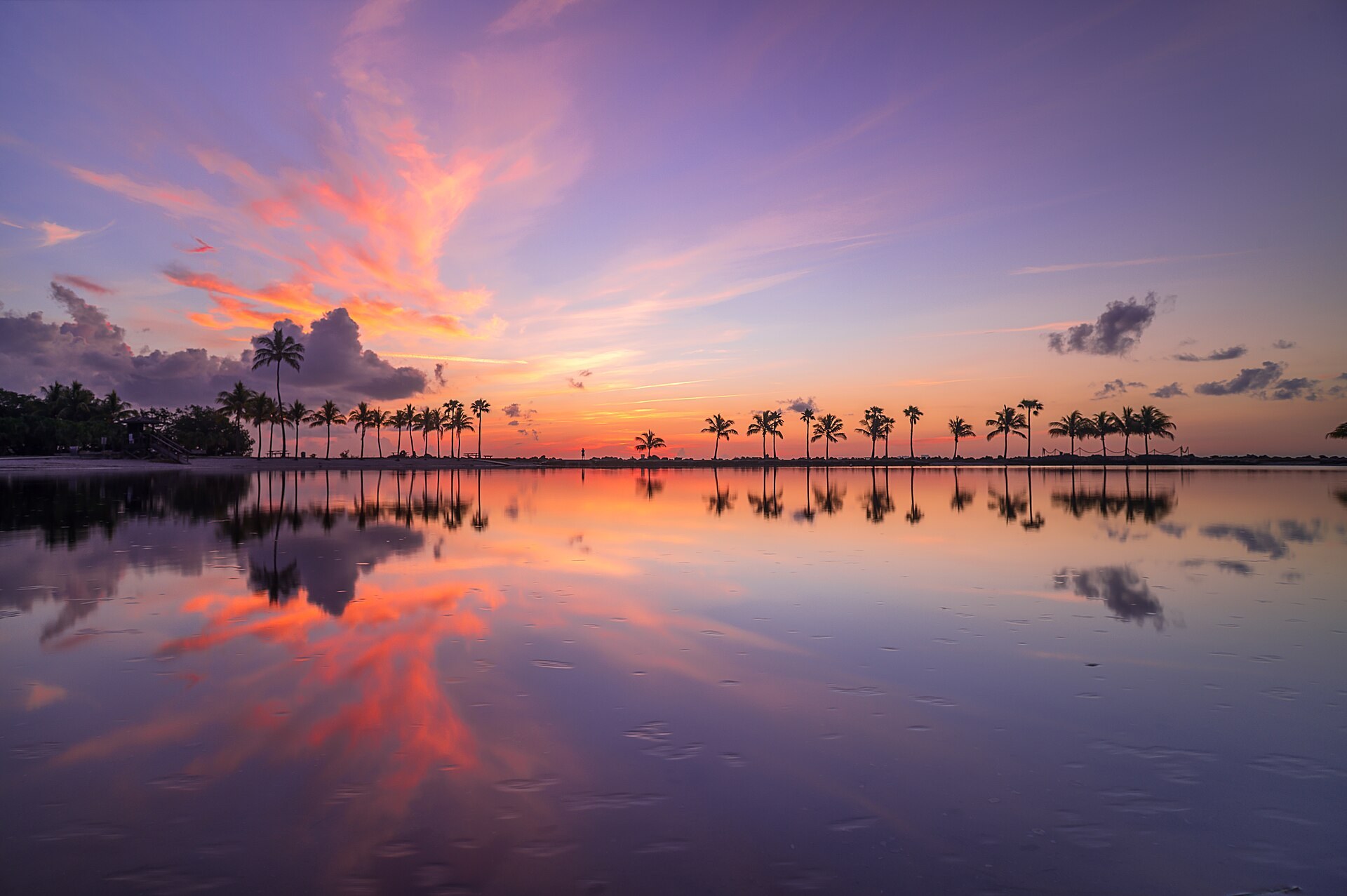
Coral Gables has miles of canal and bay frontage but no open ocean beach of its own. The closest thing is the atoll pool at Matheson Hammock, which works well for small children and is a short drive from downtown.
For sand and open water, most residents head to Key Biscayne over the Rickenbacker Causeway, where Crandon Park and Bill Baggs Cape Florida State Park sit roughly 30 minutes from the Gables in light traffic. Miami Beach is farther and slower to reach, especially on weekends. Both Key Biscayne parks charge entry or parking fees, so confirm current rates with Miami-Dade Parks and Florida State Parks.
Good to know
Summer heat and humidity in Coral Gables can be dangerous by midday, and afternoon thunderstorms with lightning are common from June through September. Plan pools and outdoor walks for the morning.
Places to eat and shop
Downtown Coral Gables has one of the densest restaurant scenes in Miami-Dade, with Spanish, Peruvian, Italian, Cuban and modern American kitchens within a few blocks of Ponce de Leon Boulevard. Giralda Plaza is best for an outdoor dinner, while the side streets off Miracle Mile hold smaller lunch spots and bakeries that office workers rely on during the week.
The Shops at Merrick Park is an open-air center anchored by Neiman Marcus and Nordstrom, with landscaped courtyards and a garage. It is smaller and calmer than Aventura Mall in northeast Miami-Dade, which makes it easier for a short visit. If you are hunting for outlet prices rather than luxury labels, Dolphin Mall near the Florida Turnpike is a 20 to 30 minute drive west.
Nightlife in Coral Gables winds down earlier than it does in Brickell or Miami Beach. Bars and lounges on Giralda and Ponce stay lively into the late evening, but for an all-night club like E11even Miami you will need to head to downtown Miami.
Places to stay
Hotels fall into three groups. The Biltmore is the landmark choice, with golf, a spa and the large pool. Several boutique and business hotels sit downtown along Ponce de Leon Boulevard and near Miracle Mile, within walking distance of restaurants and the trolley, and a cluster of larger chain properties near the University of Miami and along LeJeune Road suits visitors who need quick airport access.
Staying downtown lets you skip the car for most of your trip. Rates rise sharply during winter high season and on University of Miami graduation and football weekends, so book early for those dates.
Best time to visit
The dry season from November through April brings lower humidity, cooler evenings and the best weather for walking, which is why it is also the busiest stretch for hotels, Fairchild events and outdoor dining. The city has long held a Saturday farmers market at City Hall during the cooler months, and the community calendar lists art walks, concerts and holiday events downtown; confirm dates on the city’s events calendar before you go.
Summer is hot, wet and quieter, with lower hotel rates and short, intense afternoon storms. Atlantic hurricane season runs from June 1 to November 30, so watch the National Hurricane Center forecasts if you are traveling in late summer or early fall.
Nearby day trips
Coral Gables sits close enough to the rest of Miami-Dade that you can easily pair it with another neighborhood. Coconut Grove is right next door, with its bayfront parks and marinas, and Little Havana’s Calle Ocho is a short drive north along Douglas Road or LeJeune Road.
For art, food and culture with a very different feel, our Little Haiti neighborhood guide covers the galleries, markets and restaurants north of downtown Miami. Sports fans should note that the University of Miami Hurricanes play football at Hard Rock Stadium in Miami Gardens, which also hosts the Orange Bowl, so plan on 40 minutes or more each way on game days.
Living in Coral Gables
Coral Gables runs as a full-service city with a commission-manager government, which means the elected commission sets policy and an appointed city manager runs daily operations. The city has its own police and fire departments, its own parks and recreation system, and its own code enforcement, so many of your day-to-day questions go to City Hall at 405 Biltmore Way rather than to Miami-Dade County.
Neighborhoods at a glance
The North Gables, closer to Coral Way and Tamiami Trail, has older homes on smaller lots and the most walkable access to downtown. The central area around the Biltmore, Granada Golf Course and Venetian Pool holds many of the city’s historic 1920s homes. South of US-1, neighborhoods such as Coral Gables Riviera, Gables by the Sea, Cocoplum and Gables Estates offer larger lots, canal and bay frontage and, in some cases, gated entries, along with higher prices and flood insurance considerations.
City services directory
You will interact with a handful of departments more than any others, and it helps to know who handles what before you call.
- Development Services and the Building Division handle permits, inspections and contractor questions.
- The Board of Architects reviews exterior design changes, including many additions, roofs, fences and paint colors.
- Historical Resources and Cultural Arts oversees designated historic properties and public art.
- Public Works covers streets, trees, sanitation and stormwater.
- Parks and Recreation runs Venetian Pool, the Youth Center, tennis centers and the Biltmore and Granada golf courses, with resident rates for most programs.
The Coral Gables Branch Library at 3443 Segovia Street is part of the Miami-Dade Public Library System, so your county library card works there and at every other branch in the county system.
Local tip
Keep proof of residency handy when you sign up for Venetian Pool, tennis or golf, because resident pricing can noticeably cut your costs over a year.
Design rules, development and city projects
The city’s zoning code and design review process are stricter than in most of Miami-Dade, and they cover far more than new construction. Exterior paint colors, roofing materials, fences, driveways and many additions typically need approval, and work on a designated historic property requires a separate review from the historic preservation staff.
The city also publishes information on major development and capital projects, including downtown mixed-use towers, streetscape work and infrastructure upgrades, along with public hearing notices for projects near you. If a large project is proposed on your street, the hearing notice and the agenda materials are the most reliable place to see what is actually planned.
Good to know
Starting exterior work without the right permit or Board of Architects approval can lead to stop-work orders, fines and costly redos. Check requirements before you hire a contractor or buy materials.
City meetings and how to take part
The City Commission, made up of a mayor and four commissioners elected on a nonpartisan basis, holds regular meetings at City Hall, and agendas and backup materials are posted in advance on the city’s website. Meetings are open to the public, residents can sign up to speak, and recordings and live streams are usually available if you cannot attend in person.
Advisory boards, including the Board of Architects, the Planning and Zoning Board and the Historic Preservation Board, also meet in public. Check the meeting calendar for dates, since schedules shift around holidays and special sessions.
City jobs, news and the community calendar
The City of Coral Gables posts open positions on the careers section of its website, from police and fire roles to parks, public works and administrative jobs, with application instructions and closing dates for each listing. The city’s newsroom and social channels publish road closures, storm preparation updates and event announcements, and the community calendar is the most reliable source for festivals, concerts, farmers market dates and holiday lighting events.
When to get help
For permits or design approvals, call or visit Development Services at City Hall before you hire a contractor. For a disputed code violation, a property line issue or a complex historic designation, consult a Florida-licensed real estate or land use attorney.
FAQ
Is Coral Gables part of Miami?
Coral Gables is its own incorporated city inside Miami-Dade County, with a separate mayor, commission, police and fire departments. It borders the City of Miami and is part of the greater Miami area, but it is not run by the City of Miami.
Why is Coral Gables called the City Beautiful?
George Merrick marketed the city under that name in the 1920s, building on the City Beautiful planning movement of the era. The nickname reflects the plazas, fountains, tree canopy and Mediterranean Revival design rules that still govern the city.
Does Coral Gables have a beach?
There is no ocean beach within the city. The closest swimming option is the tidal atoll pool at Matheson Hammock Park, and the nearest ocean beaches are on Key Biscayne, roughly 30 minutes away by car.
Do you need a reservation for Venetian Pool?
Timed reservations are required on most days, and the pool has seasonal closures and minimum age and height rules for young children. Check the Venetian Pool page on the city’s website for the current schedule and rates before you go.
Is the Coral Gables Trolley free?
Yes, the trolley is free to ride. It runs along Ponce de Leon Boulevard and connects the Douglas Road Metrorail station with downtown, but service hours vary, so confirm the schedule on the city’s transportation page.
Is Coral Gables walkable?
Downtown around Miracle Mile, Giralda Plaza and Aragon Avenue is very walkable, and the free trolley extends your range along Ponce de Leon Boulevard. Most residential areas, Fairchild Garden and Matheson Hammock are easier to reach by car or bike.